Water Damage Restoration Kissimmee, FL
Kissimmee deals with several water damage issues. Many short-term vacation rentals there mean problems can sit unnoticed for days. Homes near Lake Tohopekaliga’s flood zones face regular water risks. Most houses were built between the 1970s and 2000s and are in areas with frequent storms.
Water Damage Restoration in Kissimmee FL: What Makes Your Neighborhood Different
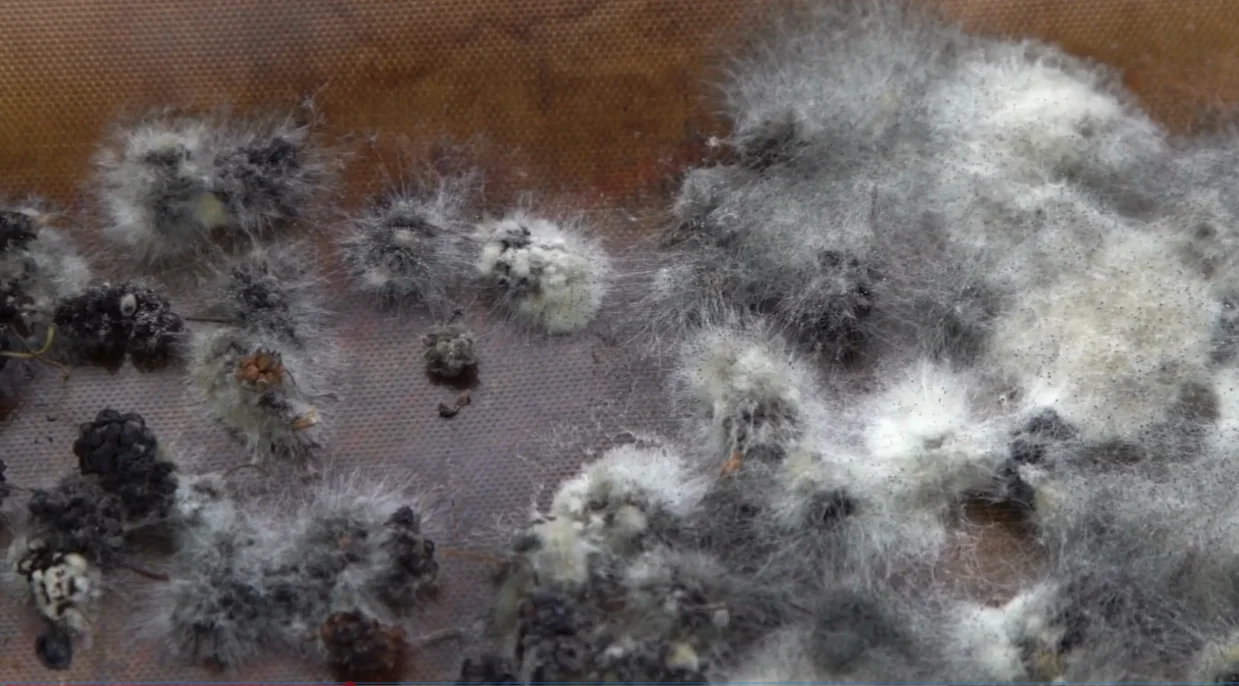
Kissimmee and the surrounding Osceola County have a diverse range of homes. Near downtown Kissimmee, some neighborhoods were built in the 1960s and 1980s. The surrounding areas include vacation rental communities constructed from the 1990s to 2010s. More recent developments use master-planned designs. The high number of vacation rentals creates a unique issue. Homes often have hidden damage by the time a guest leaves. This delay can lead to mold growth.
Unique Water Damage Risks in Kissimmee
- Short-term rental water damage delay. Between guest stays, these homes often sit empty. Water damage can go unnoticed for 1 to 5 days. By then, mold has usually developed, and remediation is often necessary.
- Lake Tohopekaliga flood exposure. Homes on or near Lake Toho often fall into a flood zone. When storms cause the lake to rise, low-lying properties nearby can take on water.
- Vacancy clause compliance. Short-term rentals need to follow their vacation rental policies when they're not booked. If you don't keep the water running or the heat on during a cold snap, your insurance coverage might be affected.
- Pool screen enclosure flooding. A lot of Kissimmee vacation homes have pool screen enclosures. When storms damage them, water can get channeled right into the living space next door.
Water Damage Restoration in Kissimmee FL: Local Knowledge, Not Generic Service
Vacation rental water damage in Kissimmee demands prompt attention. Our job is two-fold: we protect the property, and we safeguard the rental income. We've worked with property management companies in the US 192 area and ChampionsGate. We make a swift record of the damage. Homeowners can now file insurance claims and recover lost rent more quickly during vacancies.
24/7 Emergency — Vacation Rental Property Management
Many Kissimmee properties are vacation rentals that sit empty between guests. We respond 24/7 and coordinate directly with property managers. Water events between bookings need same-day response — mold grows during vacancies.
Thermal Imaging — Between-Booking Damage Detection
Vacation rentals often have undetected slow leaks discovered by arriving guests. Thermal imaging on our arrival maps the full moisture extent including what has been building since the property was last inspected.
Insurance Docs — Vacation Rental Policy Structures
Vacation rental properties frequently carry different insurance than standard HO-3. We document scope for vacation rental endorsements, Proper Insurance, CBIZ, and standard policies. All documentation provided in adjuster-ready format.
Licensed Mold Remediation — Toho Water Table Proximity
Western Kissimmee's proximity to Lake Tohopekaliga raises the local water table after sustained rain. This creates elevated mold risk in ground-floor and slab-perimeter areas. FL Mold License #MRSR3847. Same-visit assessment.
Common Questions From Kissimmee Homeowners
Do I need special insurance for water damage at my Kissimmee rental?
Yes. It's different from a regular homeowners policy. Many Kissimmee vacation rentals operate under either short-term or long-term rental arrangements. Here's what to know. If you lose rental income from the damage, you're only covered if you added a rental income rider. Check your policy for that. Some policies also have a vacancy clause. It's a good idea to keep the water heater at a consistent temperature. You should also check the property regularly, whether you have guests or not. If a guest caused the damage, you may also need to file against their security deposit. That's on top of your insurance claim. We handle paperwork for both sides, personal and rental adjusters, so you don't have to figure it out alone.
Why do vacation homes in Kissimmee get hidden water damage more often?
These homes sit empty a lot. Between guests, they can go 2 to 7 days with nobody inside. If a pipe bursts or the AC leaks during that time, no one's there to catch it. By the time a guest checks in, or a manager stops by, the water's been sitting for days. Our air stays humid, usually 74 to 77 percent. Mold grows fast in that kind of moisture. Most of the time, it's already spreading before anyone finds it. If you manage a rental, put leak sensors near the water lines, under the HVAC unit, and by the water heater. It's cheap, and it saves you a much bigger repair bill later.
Is Kissimmee at high risk for flooding?
Some parts are, yes. If you're near Lake Toho, Shingle Creek, or a low-lying part of Osceola County, you're probably in a flood zone. We saw this firsthand during Hurricane Ian in 2022 and Milton in 2024. Both storms flooded parts of the county badly. If your mortgage is federally backed and you're in Zone AE, flood insurance is required. Check your flood zone at msc.fema.gov. If repairs cost more than half the value of your home, FEMA's 50% rule may apply. This means you may need to meet new flood-proofing standards.
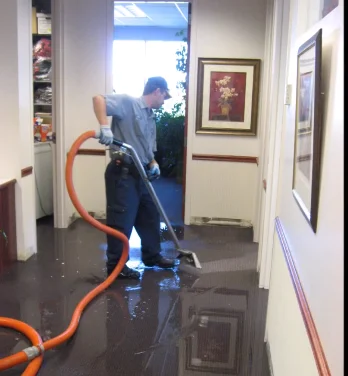
Water Damage Restoration Kissimmee FL | Homeowners Can Count On
IICRC-certified restoration crew experienced with Kissimmee’s specific construction stock and risk profile. 24/7 emergency response. Written estimate before work starts.
→ Vacation rental or commercial property? See our Commercial Water Damage Restoration services
Kissimmee Water Damage: Toho Watershed, Vacation Rentals, and Osceola County Insurance
Lake Tohopekaliga and the Kissimmee Chain Flood Risk
Kissimmee sits at the northern end of the Kissimmee Chain of Lakes — a 56-mile system of interconnected lakes that drains southward toward Lake Okeechobee and ultimately the Everglades. During active hurricane seasons and sustained rain periods, the South Florida Water Management District manages water releases through the chain to protect downstream areas. This management occasionally requires controlled flooding of areas adjacent to the Toho shoreline. Properties in FEMA Zone AE along East Lake Tohopekaliga and the adjacent canal systems face the most direct exposure. The Kissimmee River corridor and the wetlands east of US-441 create additional groundwater elevation risk during sustained wet periods.
Vacation Rental Density in ZIP 34741–34746
Kissimmee's proximity to Walt Disney World makes it one of the most vacation-rental-dense markets in the United States. The areas along US-192 (Irlo Bronson Memorial Highway), Celebration, and the communities south of US-192 toward the Osceola Parkway contain tens of thousands of short-term rental units. Water damage in these properties carries the same undetected-event risk as Hunters Creek — the gap between guest checkout and the next check-in is the highest-risk window. We work directly with Kissimmee property management companies and respond on the same timeline as owner-occupant residential calls.
Osceola County Insurance vs. Orange County Insurance
Kissimmee sits in Osceola County, not Orange County — a distinction that matters for insurance. Osceola County has different municipal flood zone maps, different building code enforcement records, and different Citizens Property Insurance exposure concentrations than Orange County. After Hurricane Irma's 2017 flooding of Kissimmee's low-lying areas and Ian's rainfall effects in 2022, Osceola County's FEMA Flood Insurance Rate Maps were updated — some previously Zone X properties were reclassified into Zone AE, affecting both insurance requirements and the 50% Substantial Damage Rule applicability.
Housing Stock in Kissimmee ZIP Codes
Kissimmee's residential housing spans a wide era range. The older neighborhoods around downtown Kissimmee (ZIP 34741) contain 1960s–1980s block-and-stucco construction with aging copper supply lines. The US-192 corridor and Celebration area (34747) consist of 1990s–2010s vacation rental construction — townhomes, condo complexes, and single-family vacation homes with 20–30 year old HVAC systems now entering peak condensate failure frequency. The St. Cloud adjacent areas (34772, 34773) are newer suburban residential from 2000–2020 with modern plumbing but high AC condensate risk due to continuous operation.
DryGuard Response Time to Kissimmee from Our Orlando Base
DryGuard's base at 4121 34th St in ZIP 32811 (MetroWest, Orlando) is approximately 20–28 minutes from central Kissimmee depending on traffic conditions on the Osceola Parkway (SR-417) or US-441. We serve the full Kissimmee area including US-192 corridor properties, downtown Kissimmee, Celebration, Poinciana, and the St. Cloud border areas.
~22 min via US-441 South. Historic residential, 1960s–1980s construction.
~20 min via Osceola Pkwy. Vacation rental belt, highest call density.
~18 min via I-4 South. Disney-adjacent planned community.
~30 min via US-441. Large suburban community, 1990s–2010s stock.