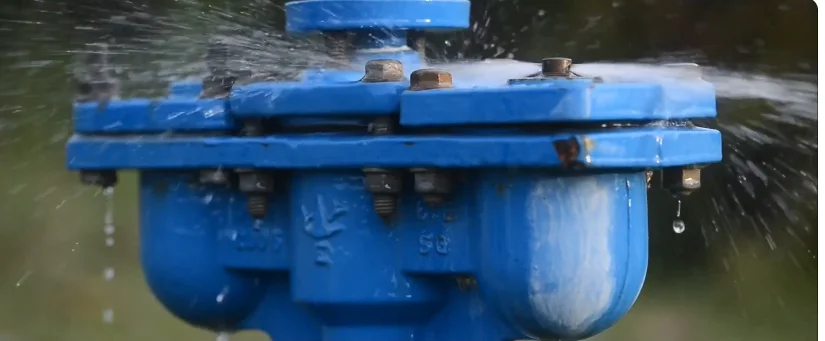
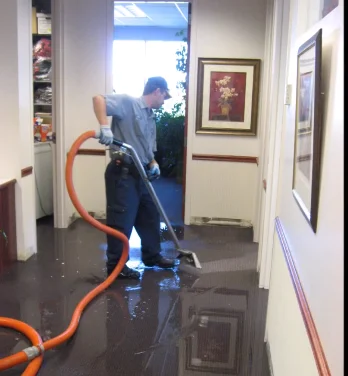
DryGuard Restoration professional technician Orlando water damage cleanup

24/7 Emergency Response — All Orlando Neighborhoods

Water Damage Restoration
Orlando, FL

We’re Already Dispatching.

Water on your floor right now? Our IICRC-certified crews cover all of Orange County around the clock. Written estimates before any work begins. No surprise bills. No pressure to file a claim you don’t need.

4.9★  147 Google Reviews
IICRC Certified
FL Mold Lic. #MRSR3847
Written Estimate First
Orlando Avg. Humidity — Year-Round
0% Mold threshold 60% 74–77% ▲
🏅 IICRC S500 Certified
📋 FL Mold Remediator License §468.8411
📝 Written Estimate Before Any Work Begins
🕐 24/7/365 — No Extra Charge
📸 Insurance Documentation from Hour One
⭐ 4.9★ · 147 Google Reviews
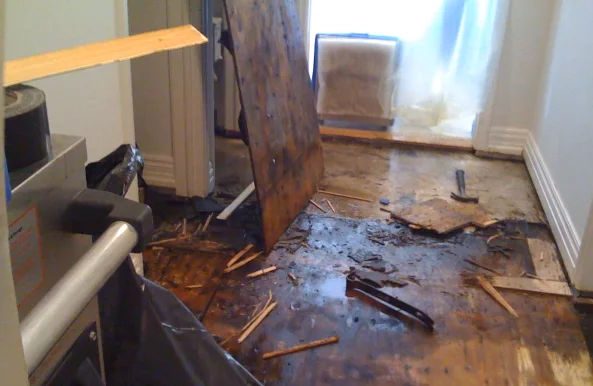
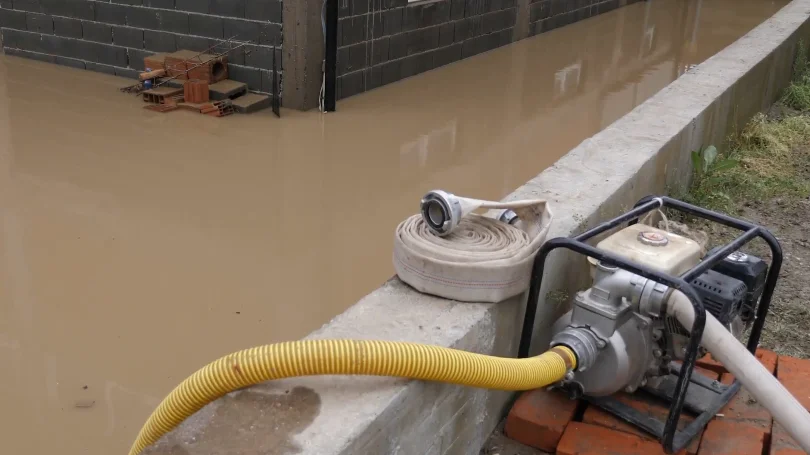
water damage orlando flooded floor showing standing water requiring emergency extraction
The Central Florida Factor

Why Water Damage Is More Dangerous in Orlando Than Almost Anywhere Else

Mold needs two things - moisture and humidity over 60%. In a dry city like Phoenix, a water leak might sit for days without ever triggering growth. Orlando is different. Here, humidity never drops below 74%. That's already past the threshold before a single drop of water enters your home. That’s above the threshold. The moment water gets into your home, the clock starts. You have about 24 hours before mold becomes a serious problem.

Most homeowners who move here from drier states learn this the hard way. The box fans and shop vacs that worked fine back home are useless in Orlando. At 75% humidity, nothing air-dries. A wall that feels completely dry can still have 25% to 30% moisture sitting inside it. By the time you find out, mold has already started.

The Orlando rule: Water damage is a 24-hour emergency. It’s not a 48-to-72-hour problem like in drier places. Every hour of delay adds to your restoration costs. It also raises your family's risk of mold exposure.

Orlando is in Florida's hurricane corridor. Charley, Ian, and Milton all hit Orange County hard. Each one left serious water damage behind. The ground here is limestone, which makes foundations shift over time. That creates slow leaks, the kind you don't notice until it's too late. Older homes have another issue. Pre-1975 homes in this area have a pipe problem. The hard water here eats through older pipes faster than most people realize. College Park, Thornton Park, and Winter Park have many homes. These homes still use the original plumbing.

Emergency Water Damage Orlando →
24hrs Before mold colonizes wet walls in Orlando's humidity
77% Average relative humidity in Orlando year-round
50% Cost reduction when restoration starts within the first hour
147 Five-star Google reviews from Orlando homeowners
2026 Orlando Pricing — Fully Transparent

What Water Damage Restoration Actually Costs in Orlando

The only local restoration company that publishes real pricing. Here's what to expect before you call anyone.

Full Pricing Guide →
Water Category Cost Per Sq Ft What It Means Common Orlando Sources
Cat 1 Clean Water $3–$4/sq ft No contamination. Potable source. Fastest drying. Burst supply lines, dishwasher overflow, fridge waterline
Cat 2 Gray Water $4–$7/sq ft Biological contamination. Can cause illness on contact. Toilet overflow (urine), washing machine, and AC condensate leaks are the most common in Orlando
Cat 3 Black Water $7–$7.50/sq ft Grossly contaminated. Full biohazard protocol. All porous materials must be removed. Sewage backup, outdoor flooding, standing water left 48+ hours in Central Florida heat
Damage Scenario Typical Orlando Cost Notes
Minor appliance leak — caught within 30 min$860 – $1,500Clean water, limited area. Resolved in 2–3 days.
Burst pipe with drywall + flooring damage$2,000 – $5,000May require drywall removal to access wall cavity moisture.
AC condensate overflow — very common in FL$1,500 – $4,000Ceiling cavity damage. HVAC mold spread risk into other rooms.
Crawlspace flood (College Park / Thornton Park)$2,800 – $5,200Pier-and-beam adds $800–$2,200 for crawlspace extraction.
Storm flooding + mold involvement$5,000 – $20,000+Most FL policies cap mold at $10,000 (§627.714). Know before it happens.
Sewage backup — Cat 3 biohazard$7,000 – $25,000+Full biohazard protocol. All materials in contact must be replaced.

The most important number: Acting within the first hour reduces your total restoration cost by 30–50%. A mold remediation job that results from delayed response costs $12,000–$40,000. Professional drying started immediately costs $1,500–$3,000. The speed decision is always a financial decision.

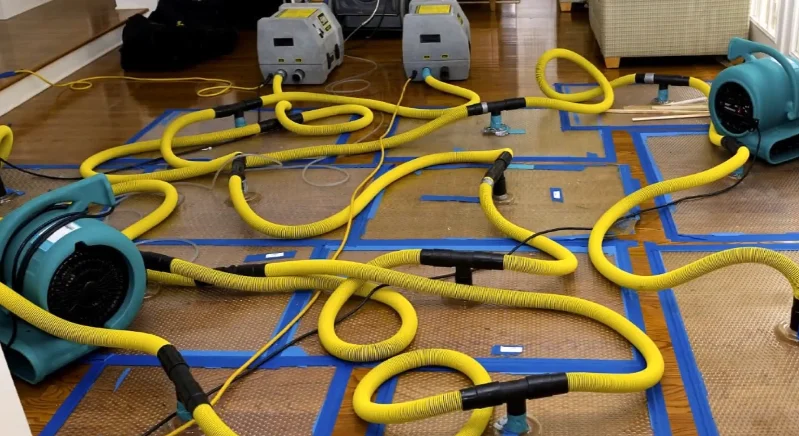
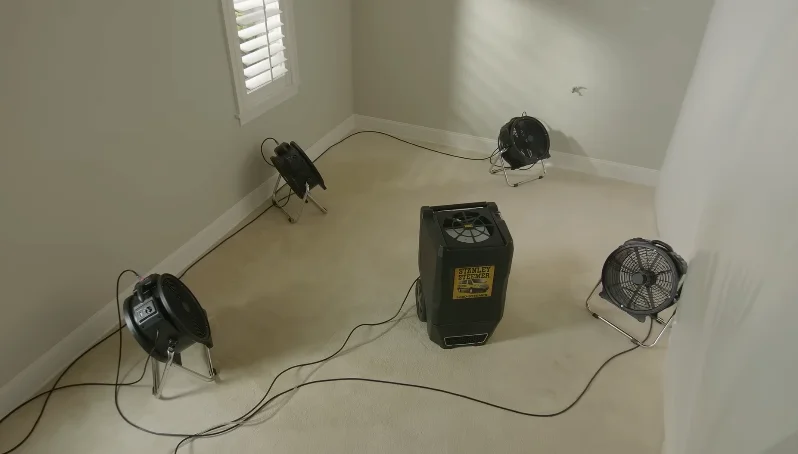
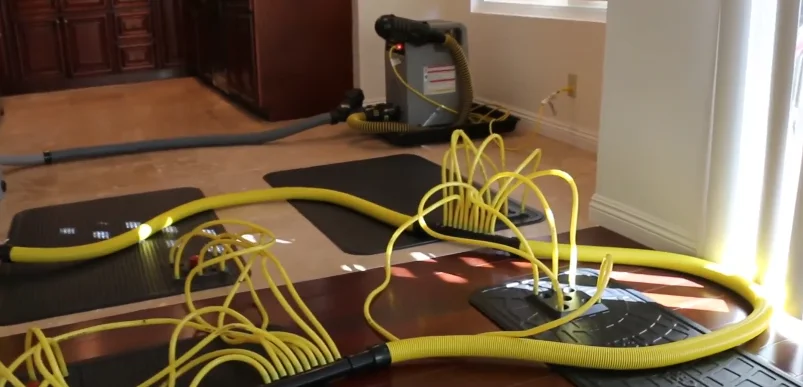
water extraction Orlando industrial floor drying equipment showing professional water mitigation process water mitigation Orlando air movers and dehumidifier structural drying equipment in action
Complete Restoration Services

Every Water Damage Service Orlando Homeowners Need

From emergency call through final reconstruction, one company handles everything.

water damage orlando emergency water extraction flooded floor

24/7 Emergency Water Extraction

Industrial truck-mounted and portable extractors remove standing water 10× faster than consumer equipment. Available every night, weekend, and holiday at no extra charge.

Emergency response →
water mitigation orlando structural drying air movers dehumidifiers

Structural Drying to IICRC Dry Standard

Air movers and industrial dehumidifiers per IICRC S500 protocol. Dried to calibrated meter readings, not to appearance. Daily logs for your insurance claim.

Drying services →
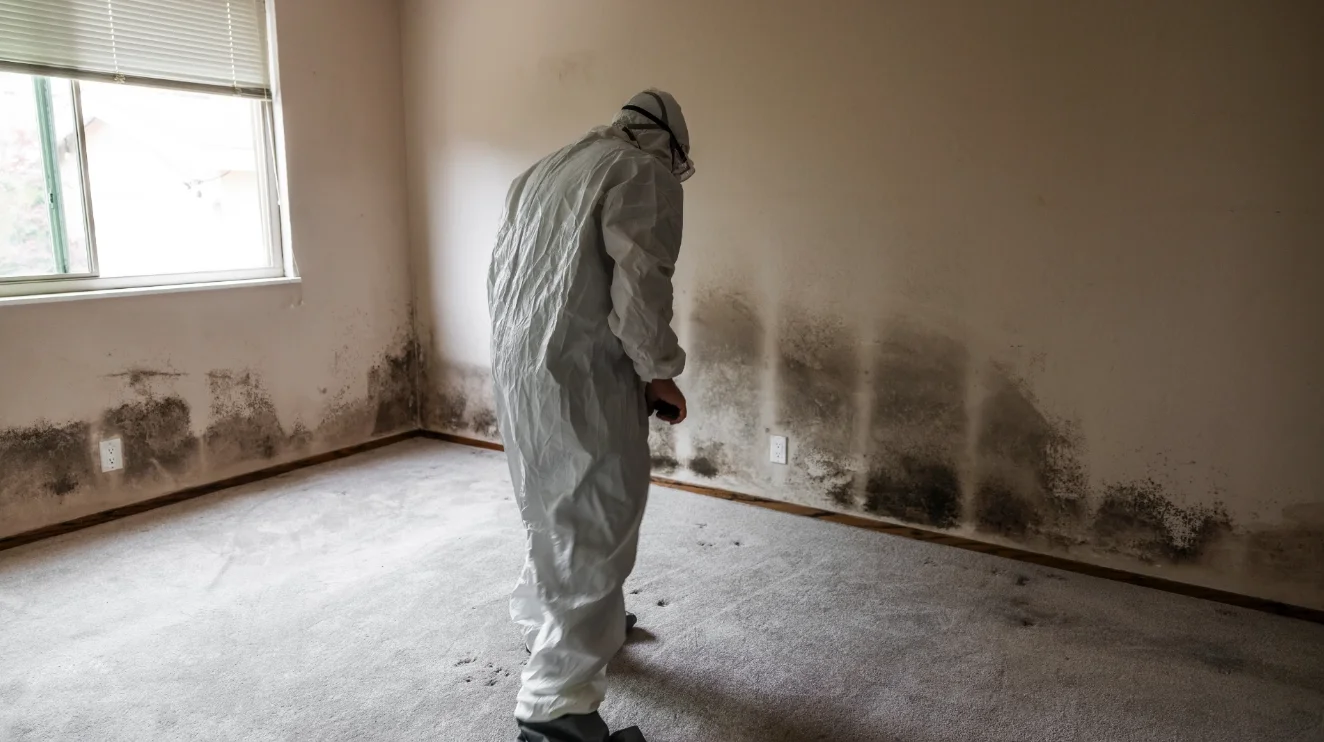
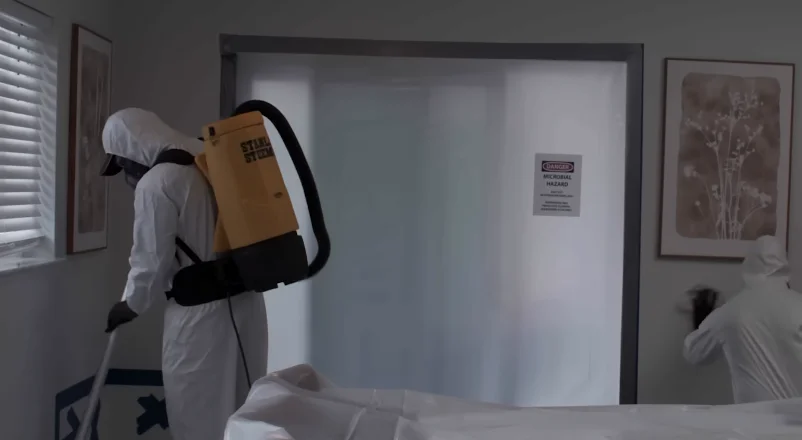
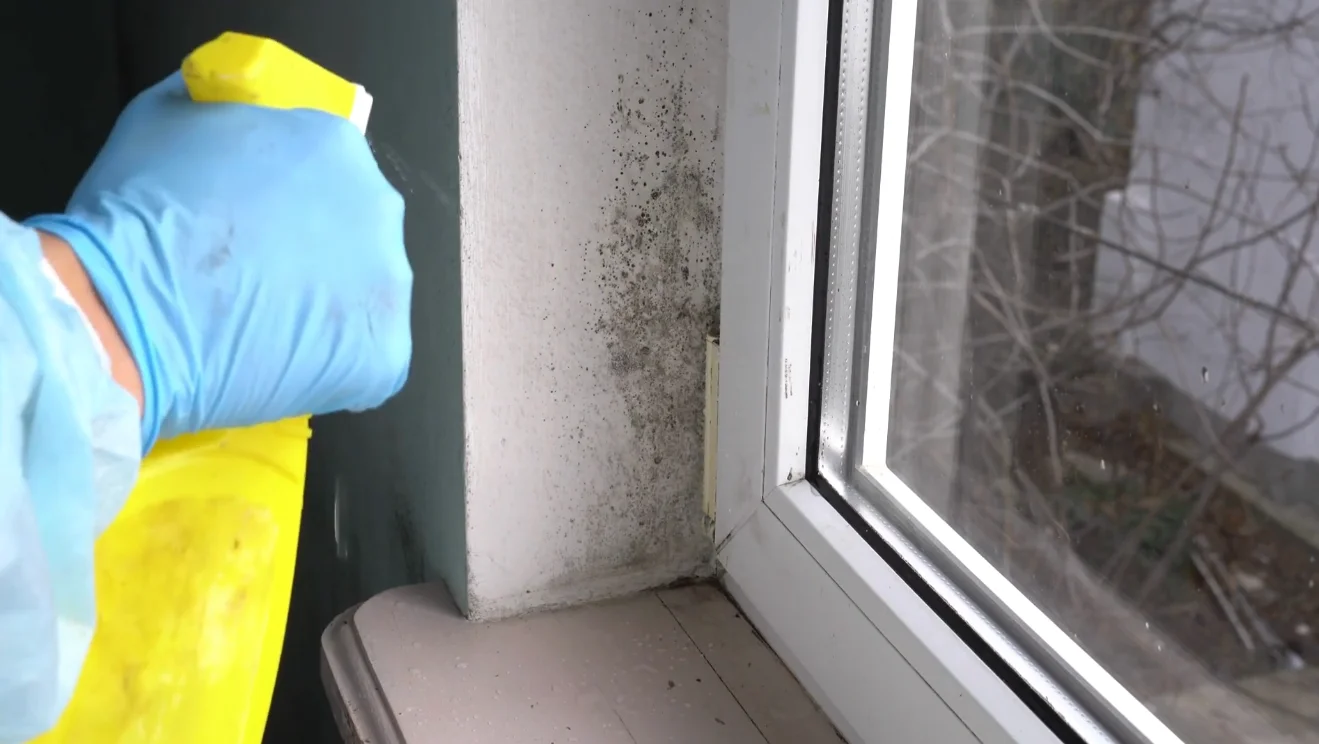
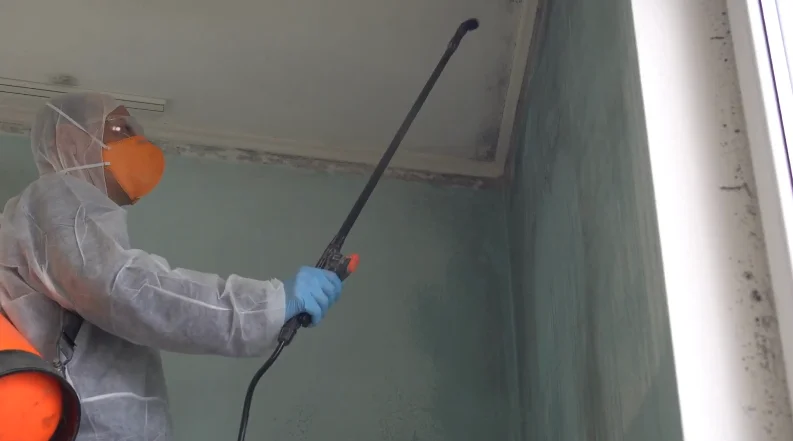
water damage restoration orlando mold remediation spray treatment licensed technician

Licensed Mold Remediation

Licensed under Florida Statute §468.8411. Full containment, HEPA filtration, EPA-registered antimicrobials, and post-remediation verification. Documented for your insurer.

Mold remediation →
water damage restoration in orlando flood damage professional extraction service

Flood & Storm Damage Restoration

Rapid response after Central Florida storms. We've served Orlando through Charley, Ian, and Milton. Local crews, not out-of-state storm chasers, vanish after payment.

Flood restoration →
water damage restoration orlando wall leakage from AC condensate overflow

AC Condensate Damage

Florida's most underreported water damage type: blocked condensate lines silently flood ceiling cavities. Thermal imaging finds the hidden moisture before mold establishes itself.

AC water damage →
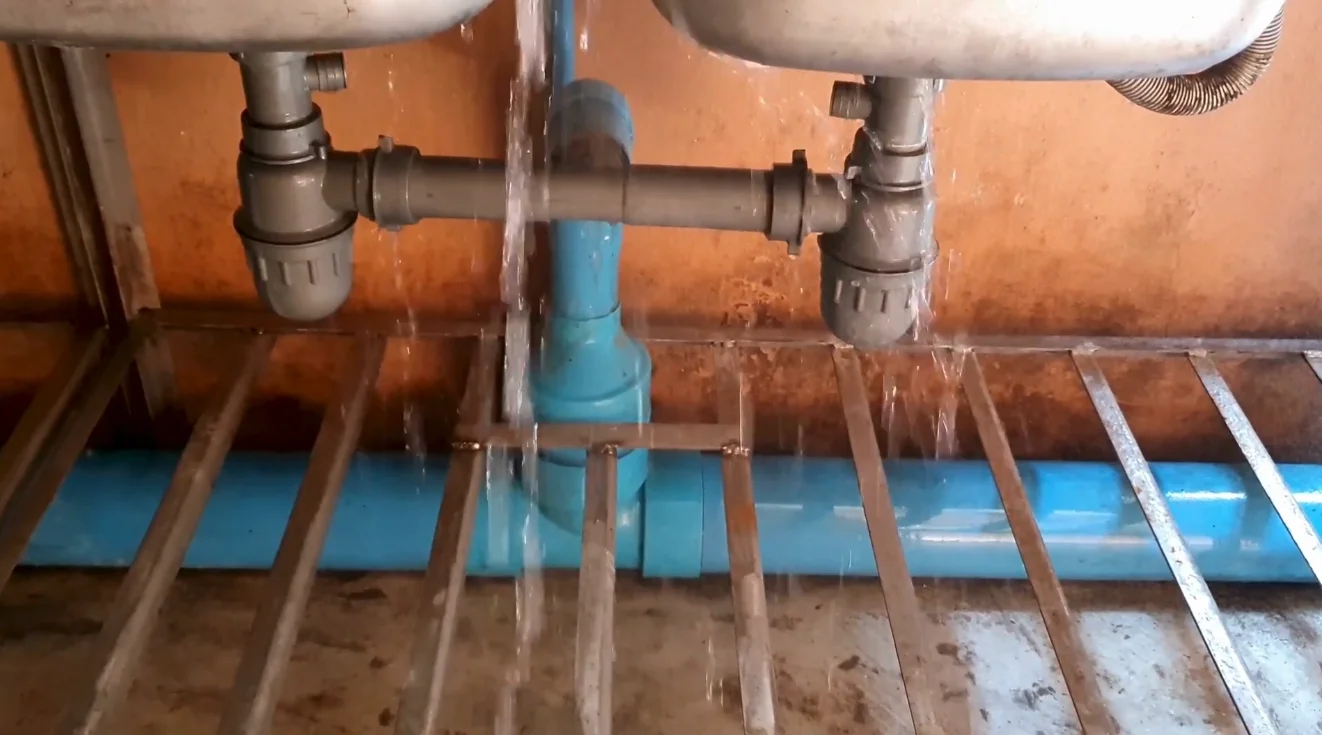
water damage restoration orlando pipe leak burst causing structural damage

Sewage Backup & Pipe Leak Cleanup

Category 3 black water requires full biohazard protocol. All porous materials in contact must be removed; no exceptions. Your family's health depends on it.

Sewage cleanup →
water extraction orlando slab leak floor water pooling restoration

Slab Leak Water Damage

Central Florida's karst limestone shifts and ruptures embedded pipes. We specialize in drying beneath slab foundations, a skill most companies simply don't have.

Slab leak damage →
water damage cleanup orlando commercial professional restoration equipment

Commercial Water Damage Restoration

Hotels, offices, medical facilities, restaurants. Business interruption costs money by the hour. We coordinate around your schedule to minimize operational downtime.

Commercial services →
water damage restoration orlando florida hurricane storm damage drying process

Hurricane Water Damage

We were here before the storm and we'll be here long after. Orlando-based crews with experience through Charley, Ian, and Milton are here. We don't disappear after you sign.

Hurricane response →
What Happens When You Call

The 7-Step DryGuard Restoration Process

We document each step. You can view all moisture readings. Before we proceed, you must understand the steps and reasons.

1

Emergency Dispatch: Day or Night

Real person answers. We confirm your address, ask three quick questions, and dispatch the nearest crew. No voicemail. No forms while you're flooding.

⏱ Immediate — 24/7/365
2

Arrival, Safety Check & Source Containment

Before we enter, we make sure the water source is off and check for exposed wiring. Water and electricity are a dangerous mix, no matter what time it is.

⏱ First 30 min on-site
3

Moisture Mapping With Thermal Imaging

We check every wall, floor, ceiling, and cabinet. Water can travel 8 to 10 feet inside walls without showing on the surface. We use moisture meters and thermal cameras to track it all down.

⏱ 30–60 min assessment
4

Written Scope Before Any Work Begins

Before we touch anything, you get a written list of everything that needs to be done and what it costs. No surprises, no pressure.

⏱ Same day, pre-work
water damage restoration in Orlando professional extraction and assessment process
5

Industrial Water Extraction

Truck mounted and portable extractors remove standing water from floors, carpets, and crawlspaces. 10× the removal rate of any consumer shop vac.

⏱ Hours 1–4
6

Structural Drying to Dry Standard

Air movers + dehumidifiers run 24/7 per IICRC S500. In Orlando's 74%-77% humidity this equipment is not optional, it's what makes drying possible. Daily moisture readings logged.

⏱ 3–5 days continuous
7

Verification & Full Reconstruction

Drying verified by calibrated meter readings, not visual inspection. Then full reconstruction: drywall, flooring, paint, finish work. One company, start to finish.

⏱ 1–2 weeks total
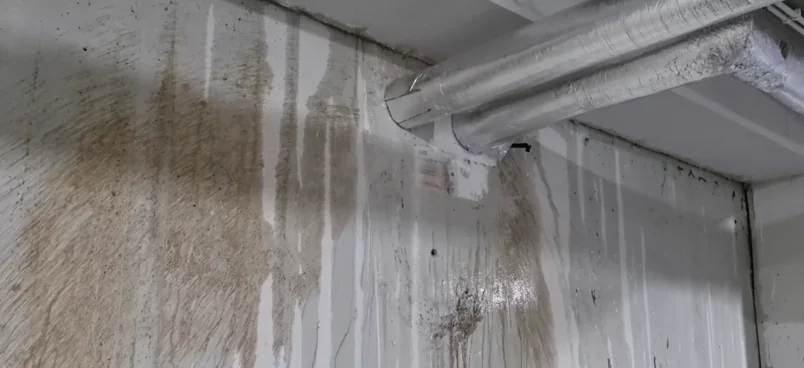
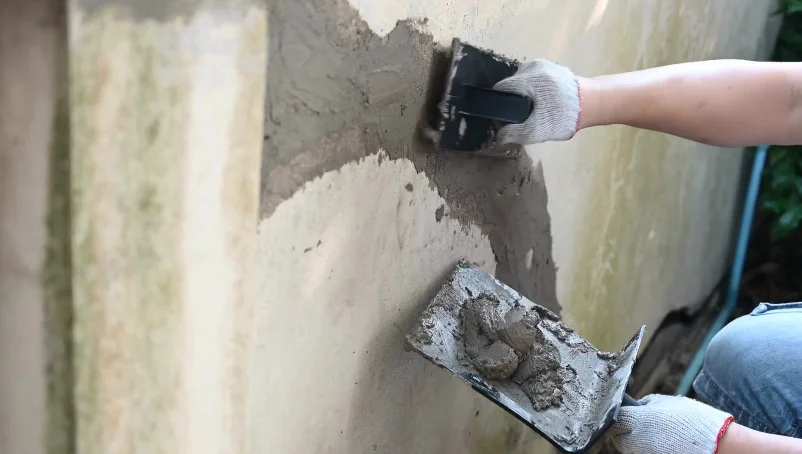
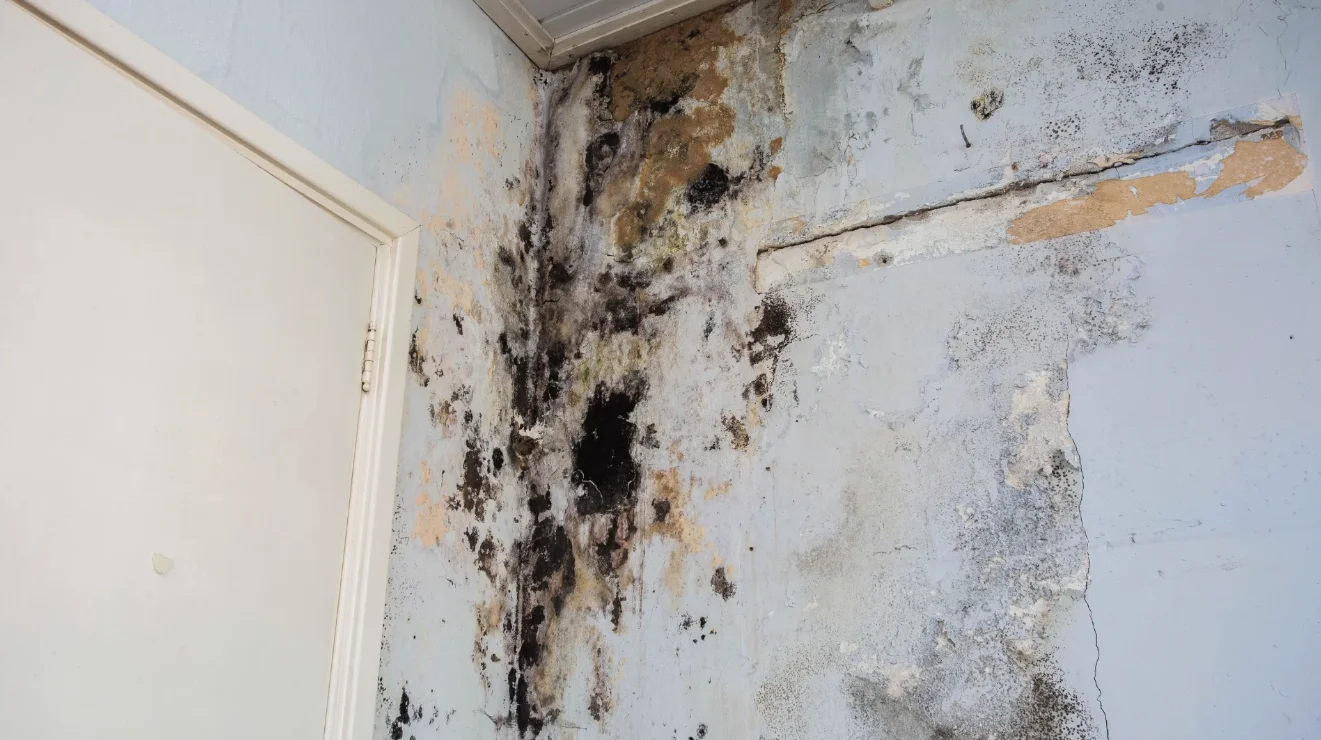
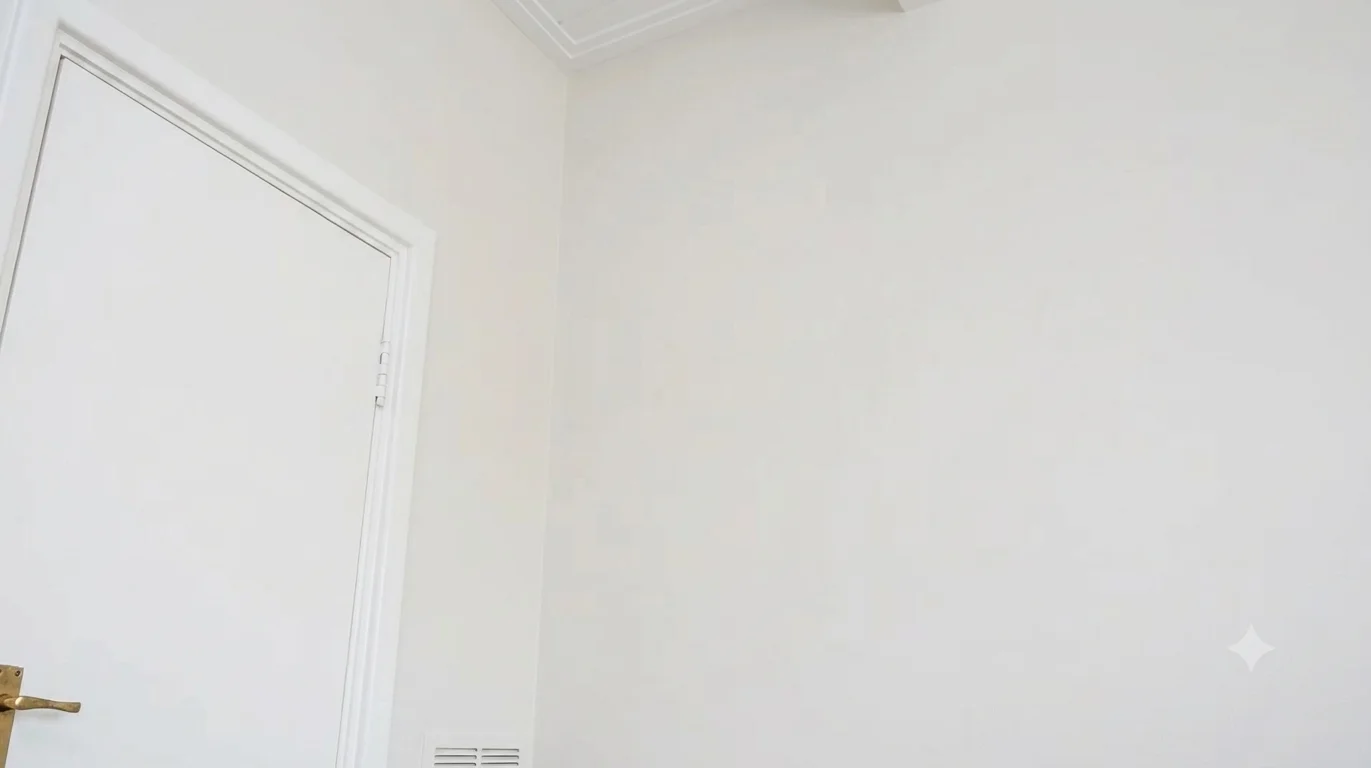
water damage restoration orlando fl wall destroyed requiring immediate professional restoration orlando water damage repair wall treatment professional restoration process water damage cleanup orlando wall cleaning restoration professional service
Real Results — Actual Orlando Jobs

Water Damage Repair Orlando: Before & After

These are actual restoration outcomes from Central Florida properties. No stock photos, real water damage, real repairs.

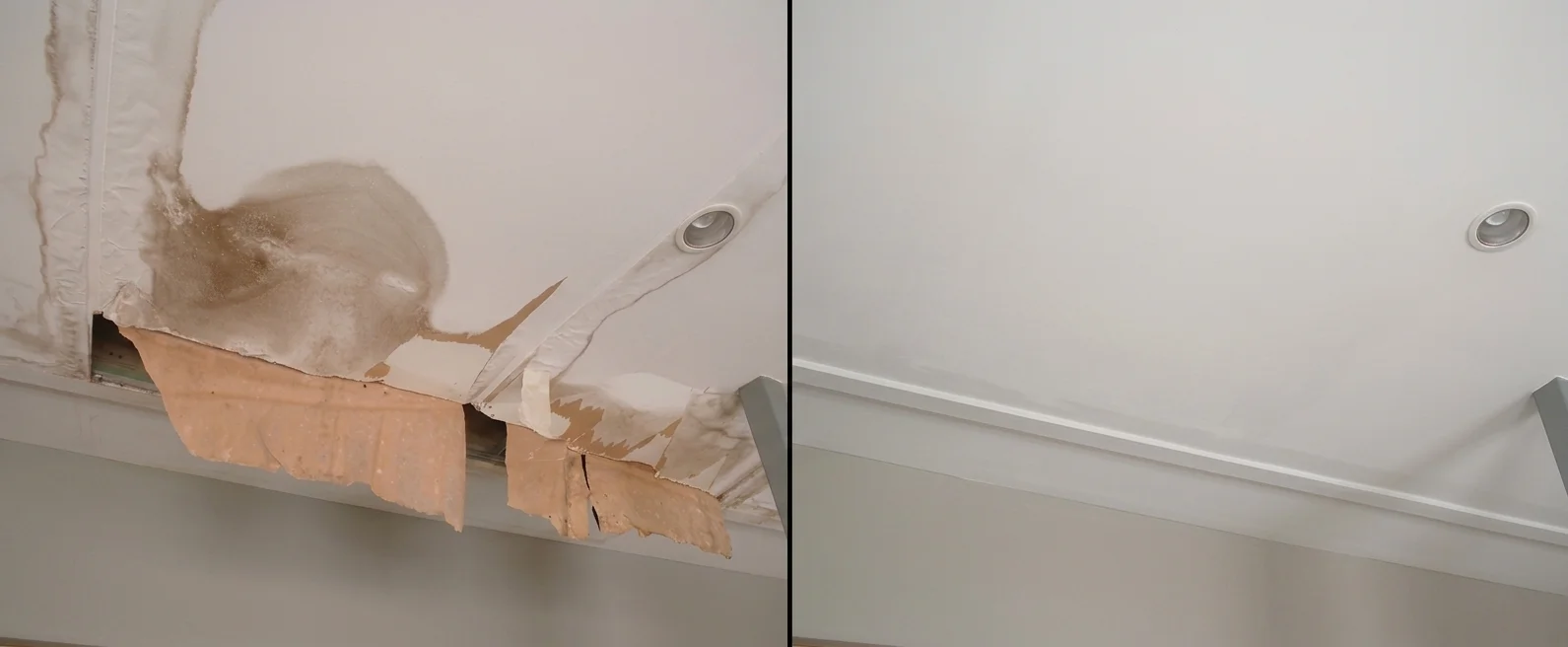
water damage repair orlando ceiling before and after complete restoration from water damage
BEFOREAFTER

Ceiling Water Damage Orlando Home

AC condensate overflow saturated the ceiling cavity; full drywall replacement and mold remediation.

water damage restoration orlando fl ceiling water stain peeling paint before restoration orlando water damage restoration ceiling fully repaired and restored after professional service
BEFORE|AFTER

Burst Pipe Ceiling Damage Winter Park

Burst pipe above ceiling caused full saturation; dried to IICRC standard, zero mold.

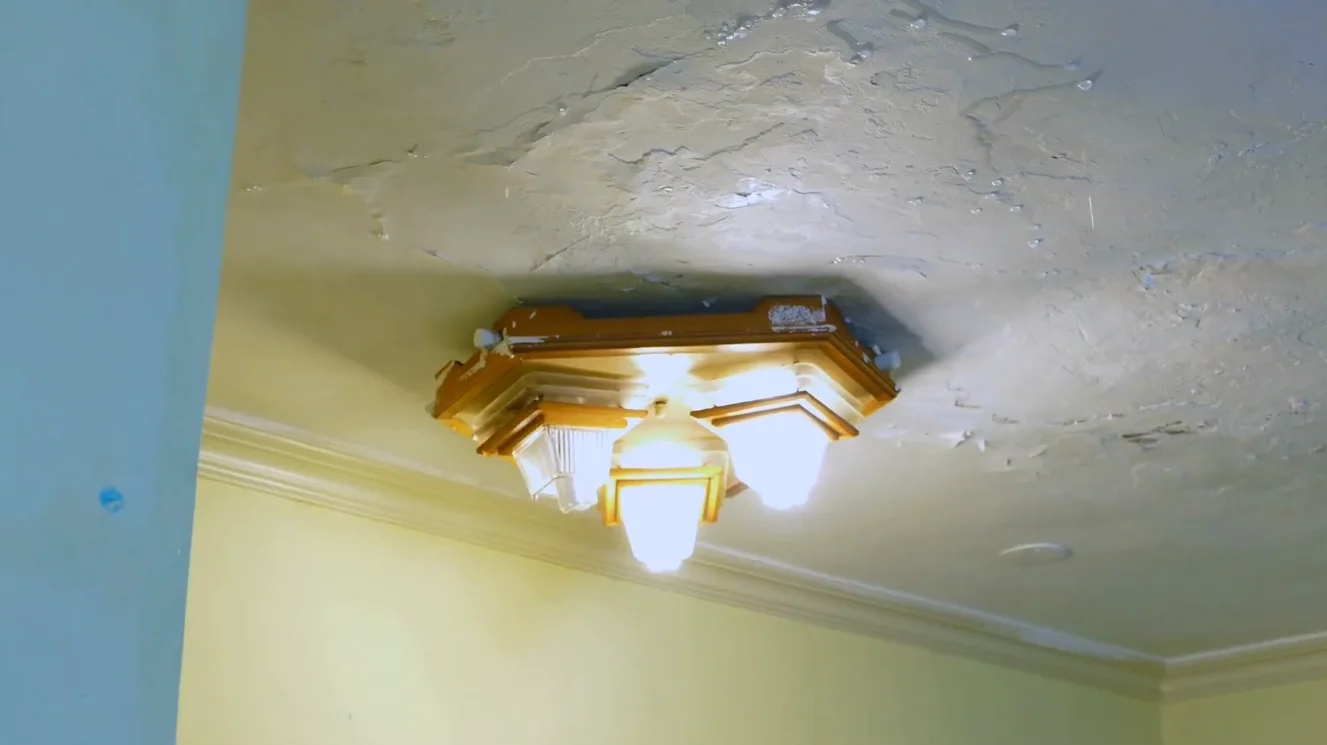
water damage orlando severe ceiling water damage bubbling paint dripping before repair water restoration orlando ceiling restored clean professional repair completed
BEFORE|AFTER

Storm Flooding College Park Bungalow

Storm intrusion through roof gap. Complete ceiling cavity drying and restoration.

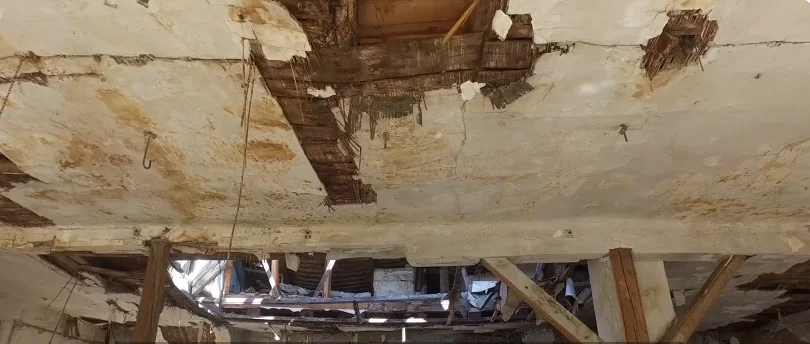
water damage restoration orlando wall leakage damage moisture seeping through walls water damage orlando wall seepage moisture intrusion requiring professional remediation water restoration orlando soft wall moisture damage requiring immediate professional treatment water damage repair orlando wall moisture damage assessment and professional water restoration
Real Outcomes — Actual Orange County Properties

3 Real Water Damage Restorations in Orlando

Actual job outcomes. Names changed for privacy; neighborhoods, foundation types, water categories, insurance carriers, and outcomes are accurate.

Case Study #1 · College Park, Orlando

Burst Cast-Iron Pipe in 1951 Pier-and-Beam Home Discovered at 2 a.m.
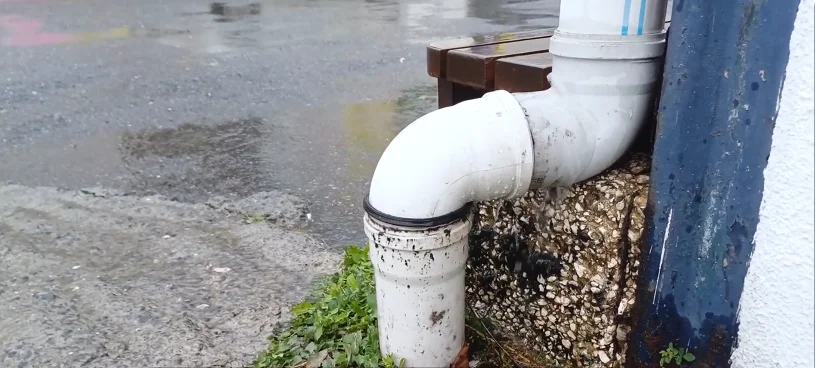
water damage restoration orlando burst pipe leak in historic College Park home
📍 College Park 🏠 Pier-and-beam 💧 Cat 1 → Cat 2 ~4 hrs active

The call came in at 2 AM. Water was coming under the bedroom door. A cast-iron pipe leaked for hours. It drained into the crawl space. Water pushed up through the subfloor. We arrived to six inches of standing water across 280 square feet.

Pier-and-beam homes have wooden joists close to the ground. Water hits them fast. Water reaches the wooden joists fast. Water gets to them fast. Our mapping showed water had climbed 18 inches up the kitchen drywall. The heart pine subfloor was starting to swell at the seams. That floor is original to the house. In a 1951 College Park bungalow, you can't replace it.

We pumped out the crawlspace and pulled water from the floor above. Then we set up 14 air movers and 6 dehumidifiers across both levels. Four days later, the subfloor was down from 34% moisture to 11%.
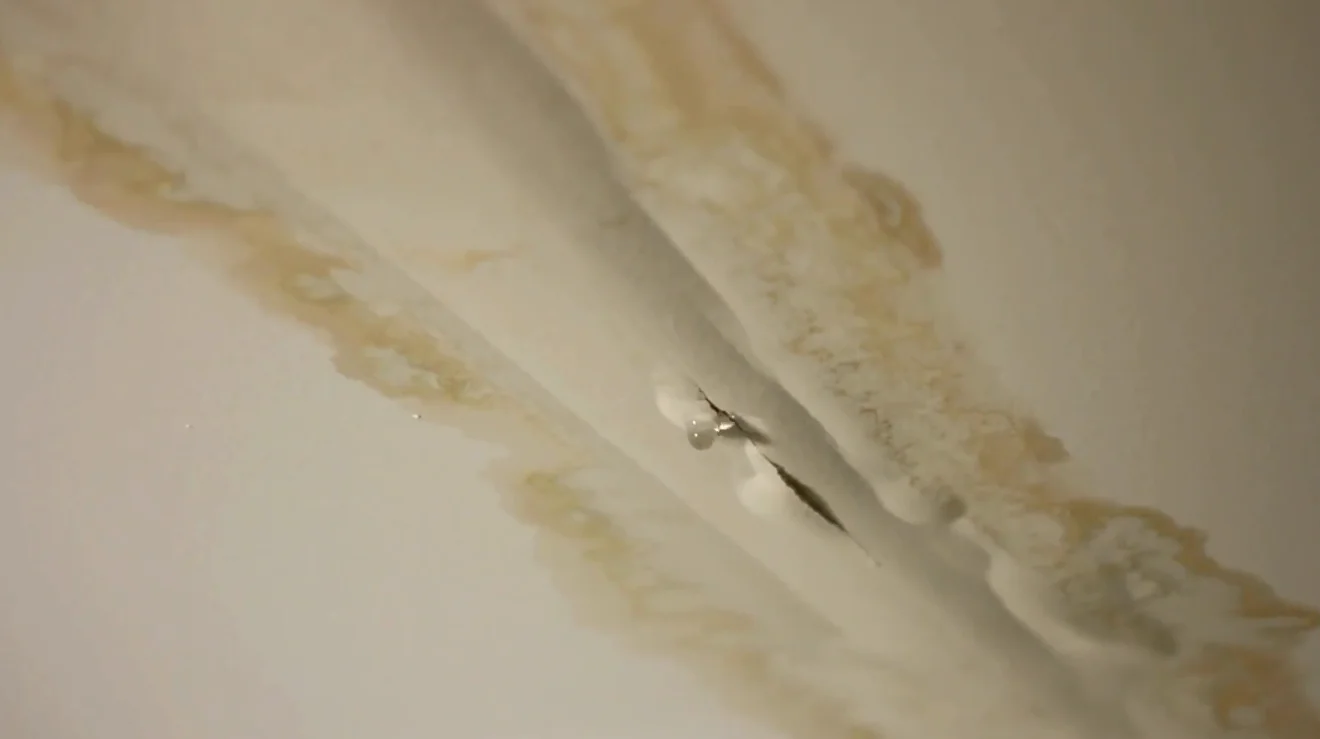
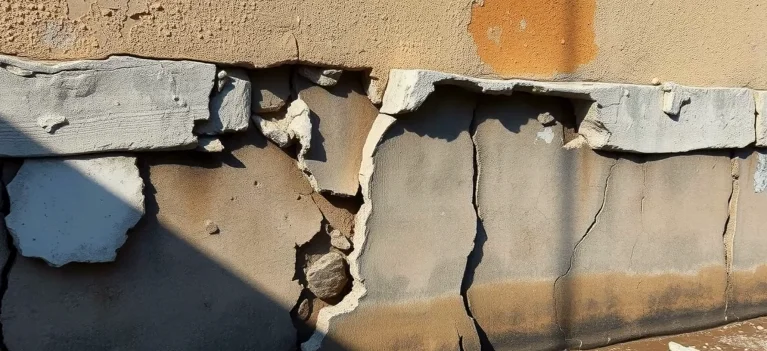
✓ Heart pine subfloor saved · ✓ State Farm claim approved · ✓ Total: $4,200 · ✓ Done in 11 days
Case Study #2 · Lake Nona, Orlando

AC Condensate Line Overflow Hidden Ceiling Cavity Mold Found

water damage restoration orlando lake nona ac condensate ceiling wall damage
📍 Lake Nona 🏠 2016 slab build 💧 Cat 1 3+ days active

Homeowner noticed a soft spot in the second floor hallway ceiling. I called a roofer first, and he found no roof damage. Two weeks passed. The soft spot became a stain. They called us. Our thermal camera picked up a 6 foot area of moisture inside the ceiling, traced back to the attic HVAC unit. The condensate drain had a partial algae blockage. In Central Florida, where AC runs almost year round, this is one of the most common causes we see. The drip pan had been overflowing for weeks.

Moisture at the drywall surface was 38%, well above the normal range of 12% to 17%. Inside the ceiling framing, it hit 54%. Lab samples showed two types of mold: Cladosporium and Penicillium. Both are common in Florida attics. We got rid of the mold using two small ceiling openings. We followed Florida's licensed remediation guidelines.

The homeowner's Citizens Insurance policy covered the scope. Florida's standard $10,000 mold cap was enough because we caught it early.

✓ Mold caught early · ✓ Citizens claim approved · ✓ Total: $8,700 · ✓ Done in 8 days
Case Study #3 · Winter Park, FL

Hurricane Ian Roof Breach Claim Misclassified as Flood Damage

water damage restoration orlando florida hurricane ian storm damage drying process winter park home
📍 Winter Park 🏠 1963 slab home 💧 Cat 1 wind-driven Hurricane Ian 2022

Hurricane Ian created a wind-driven roof breach at the chimney flashing. Water came in through that breach for six hours straight. It soaked through the bedroom ceiling and down into the hardwood floors. The closet had standing water. The insurer called it flood damage. That would have wiped out the entire claim, and this homeowner had no flood policy.

After Florida hurricanes, this misclassification comes up more than you'd think. Wind-driven rain through a roof opening falls under standard homeowners insurance. Groundwater rising from below is flood damage. Not the same thing. We made documentation. It covers the breach, the wind pattern, the entry point, and how water moved through the home. That's what got the claim reclassified.

The original hardwood floors showed 29% moisture against a dry standard of 9%-12%. Heated drying chambers over 72 hours brought all sections to 11%. They completely saved the floors.

✓ Claim reclassified correctly · ✓ Hardwood floors saved · ✓ Insurance paid $14,200 · ✓ Done in 9 days
4.9★ · 147 Google Reviews

What Orlando Homeowners Say After the Water Is Gone

We only feature reviews that mention specific Orlando neighborhoods. This way, we can ensure accountability in promoting our city.

★★★★★

"Our College Park bungalow flooded at 11 PM. The washing machine supply line broke. We were asleep when it happened. DryGuard was at our door within the hour. The tech showed me the moisture readings. He used the thermal camera. He pointed out where the water got into the walls. He gave us a written estimate before touching anything. He sat down and explained the deductible math. He said to save money by paying out of pocket. This could be better for our situation. You don't see that kind of honesty much. We won't call anyone else."

Maria T.
College Park, Orlando · Washing machine overflow · June 2025
★★★★★

"After Hurricane Ian, our insurer told us the claim might be denied as 'flood damage.' DryGuard came in no time. They found the roof breach. They showed how water got in. They gave our adjuster the documents. This helped reclassify the loss. Without that paperwork, we would have gotten nothing. The hardwood floors we'd given up on are still there. I tell every homeowner in Winter Park about this company."

James R.
Winter Park, FL · Hurricane Ian roof breach · October 2022
★★★★★

"Ceiling bubble in my Lake Nona home; the first company I called said, 'watch it.' DryGuard showed up with thermal imaging and found moisture in a six-foot area I couldn't see at all. It was the AC condensate line. Mold had already started inside the ceiling. They caught it early; if I had waited another week, I would have been facing a much bigger job. Fast, professional, and they explained everything."

Sarah K.
Lake Nona, Orlando · AC condensate overflow · March 2025
Read All 147 Reviews →
All of Orange County Covered

Your Orlando Neighborhood | We Know It

College Park's 1940s pier-and-beam crawlspaces behave differently than Lake Nona's 2015 slab-on-grade homes. Windermere's lakefront properties carry flood zone risks that Baldwin Park doesn't face. We come prepared for the specific construction and risk profile of your neighborhood.

All Service Areas + ZIP Codes →
Florida Insurance Law — Know This Before You Need It

Your Rights Under Florida Water Damage Law

Most Orlando homeowners don't know these laws exist until a claim gets denied. We share them so you know where you stand.

§627.70131 Your insurer has 14 days to acknowledge your claim and 60 days to pay or deny it after you submit proof of loss. If they pay late, interest builds from the date you first filed, not from when they finally cut the check. Most people don't know that and never collect it.
§627.70132 You have 1 year to file a new or reopened claim. If more damage turns up later from the same event, you have 18 months to file that separately. Miss either window, and you lose your right to recover for good.
§627.714 Florida lets insurers cap mold coverage as low as $10,000. Most homeowners find this out after getting a $30,000 remediation quote. Pull out your declarations page now and check before something happens.
§627.4133 Filing one water damage claim cannot get your policy canceled or non-renewed. A lot of homeowners pay out of pocket because they're afraid of losing coverage. That fear costs them money they didn't have to spend.
§468.8411 Florida requires separate licenses for mold assessment and mold remediation. Unlicensed mold work is illegal. Before you sign anything, check any contractor at MyFloridaLicense.com. Our license: #MRSR3847.
Full Florida Insurance Guide →
water damage restoration orlando professional insurance inspection documentation assessment
How It Works

How does water damage restoration work?

A 7-phase documented process from emergency dispatch through IICRC-verified dry standard. In Orlando, the city's 74%-77% subtropical humidity shapes every phase.

Water damage restoration is about getting your home back to normal. We take out the water. We dry everything. Then, we use moisture meters to check that all materials are at the right levels. No guessing.

First thing we do is map the moisture. We use thermal cameras and moisture meters to find where the water went. It spreads further than you'd think, up to 8 to 10 feet from the wet area, with no visible signs. Miss it, and mold shows up weeks later.

Once we have the full picture and you've signed off on the scope, we bring in the extractors. They pull moisture from carpet backing. They also work on subfloors and crawlspaces. A shop vac can't do this.

We come back daily to check moisture levels at every test point. Those readings keep your adjuster informed and show that progress is being made. When everything is perfect, we remove the equipment. Then, we begin reconstruction. It usually takes 3 to 5 days. They complete repairs within 1 to 2 weeks after that.

Cost & Pricing

How much does water damage restoration cost in Orlando?

$860–$1,500 minor · $2,000–$5,000 mid-range · $5,000–$20,000+ major. Per sq ft: Cat 1 = $3–$4, Cat 2 = $4–$7, Cat 3 = $7–$7.50. First-hour response reduces total cost by 30%–50%.

Water damage restoration in Orlando runs between $860 and $20,000. The price depends on several factors. It includes the type of water. It also considers how long it sat and the area it covered. Your home's construction matters too. Finally, it looks at whether mold has already started growing.

The biggest factor is how fast you call. Calling in the first hour can save you 30% to 50% compared to waiting a day or two. Water doesn't stop moving. The further it spreads, the more material needs to come out or get replaced. In Orlando, where mold can start in 24 hours, that clock moves fast.

The Three Factors That Raise Cost in Central Florida Specifically

Foundation type: Older pier-and-beam homes in College Park and Thornton Park cost more. They add $800 to $2,200 to the job. Getting into the crawlspace takes special equipment. We have the crawlspace equipment. Most restoration companies in Orlando don't.

Humidity: Drying here takes 15% to 25% longer than what most companies price for. The industry standard assumes 50% to 60% humidity. Orlando is nearly double that. Longer drying means more equipment days, and that shows up in the final number.

Hurricane season: Every crew in the area gets booked within hours of a named storm. Prices climb 20 to 40% and equipment is hard to find. Don't wait to see how bad it gets by then; you have limited options.

→ See the full 2026 Orlando cost breakdown with itemized scenarios
Mold Risk

How long does mold set in after water damage in Orlando?

In Orlando, humidity is 74%–77%. Mold can start growing on wet materials in 24 hours. This is faster than the 48–72 hours needed in drier places.

In Orlando, mold can start growing on wet drywall, wood framing, and insulation within 24 hours. That's not a worst-case scenario; that's how this climate works.

It comes down to two numbers: 60% and 74%. Mold spores need humidity above 60% to grow. Orlando's humidity runs between 74% and 77% all year. Every wet surface in your home is already sitting 14 to 17 points past the threshold. There's no safe month here.

Hour by Hour After Water Intrusion in Orlando

Hours 0-12: Water absorbs into drywall paper facing, wood framing, and insulation batts. Water flows through porous materials. It moves both sideways and up and down. This is due to capillary action. No mold yet, but the conditions are perfect.

Hours 12-24: In Orlando's humidity, mold spores start to grow. This happens on wet materials in 12 to 24 hours. You can't see it yet, but it's already happening.

Hours 24-72: You'll start to see faint discoloration on wet drywall. If your HVAC is on, it pulls spores through the ducts. Then, it pushes them into other rooms. Turn it off after water damage; that is one of the first things we tell every homeowner.

The practical tip: Call us as soon as you find it. We can likely stop mold before it gets into your walls. Call us the next day after waiting to see how bad it gets, and it's already in there. The 24-hour window is real. In Orlando, it closes faster than in any place you've lived.
water damage orlando wall seepage moisture conditions showing environment where mold grows within 24 hours
Florida Law

What is the 33-day rule in Florida water damage?

There is no official named "33-day rule." The actual law is Florida Statute §627.70131: 14 days to acknowledge, 60 days to pay or deny. Late payments gain interest from the notice date.

There's no Florida law actually called the "33-day rule." Homeowners search that term for one of two reasons. Mixing them up can cost a lot.

The Actual Law: Florida Statute §627.70131

This is what most people are actually looking for. Florida law requires your insurer to acknowledge your claim within 14 days. After you send proof of loss, they have 60 days to pay or deny it. If they miss that window and pay late, interest starts the day you filed. It doesn’t start when they send the check.

Here's a real example. You file on January 1st. Your insurer pays on March 15th, 74 days later. You're owed interest on the full amount for every one of those 74 days. Most homeowners never know this and walk away, leaving money behind.

The Other Thing People Mean: Vacancy Clauses

Some homeowners land on "33 days" because of a clause hidden in their policy. If your home sits empty for 30, 45, or 60 days in a row, your policy may require you to shut off the water or keep the heat on. If you miss that, your vacation home might not cover a burst pipe. This can happen even if everything else looks fine.

This catches a lot of Orlando homeowners off guard. Many properties here stay empty. This lasts a long time. Seasonal residents and short-term rental owners cause this. Read that clause before you leave, not after a pipe bursts.

Do this now: Pull out your declarations page. Find the vacancy clause; it's usually in the Exclusions section. Check your deadlines. Know what your policy says before something happens. If you've already had water damage and aren't sure where your claim stands, call us. We've helped hundreds of Orlando homeowners work through this.
Insurance

Who pays for water damage restoration in Florida?

Homeowners insurance pays for sudden, accidental events. Flood requires separate NFIP coverage. Mold is capped at $10,000. Gradual leaks are excluded. One claim cannot cancel your policy.

Many homeowners in Orlando don’t know their insurance has limits. This often becomes clear when someone denies a claim. Knowing the rules before something happens costs nothing. Finding out the hard way can cost thousands.

What Pays

Your HO-3 policy pays for water damage from sudden breaks. This includes burst pipes. It also covers washing machine hoses. It also includes dishwashers, refrigerator ice makers, water heaters, and toilets. If a storm tears open your roof and lets rain in, that is covered too.

What Does NOT Pay

Slow leaks don't pay either. If water drips behind a wall for weeks, it can cause damage. The insurance company sees this as a maintenance issue. You should have caught it sooner. That one rule, sudden vs. gradual, is the biggest reason water damage claims get denied in Florida.

Florida Statute §627.4133 - Cancellation Protection Your insurer cannot drop your policy because you filed one water damage claim. Many Orlando homeowners pay out of pocket because they're scared of losing coverage. That fear is costing them money they don't have to spend. One claim will not cancel your policy.
→ Should you file a claim? Our honest decision guide for Orlando homeowners
FEMA Rules

What is the 51% rule in Florida for water and flood damage?

FEMA has a rule called the 50% Substantial Damage Rule. If your home sits in a flood zone and repairs cost more than half of what your home is worth, you can't fix the damage. The whole structure must meet flood codes. This may mean raising the foundation.

Florida's "51% rule" is a FEMA regulation. Most Central Florida homeowners have never heard of it until a flood hits.

Here's what it means. If your repair costs pass 50% of what your home was worth before the damage, you can't fix what broke. Before any repairs start, the whole structure has to be brought up to current flood zone codes. For most homes, that means raising the floor above the Base Flood Elevation. That work alone runs $50,000 to $150,000, and that's on top of the actual repairs.

Does This Apply to Your Home?

Only homes inside FEMA flood zones fall under this rule. Zone AE, Zone AH, and Zone VE are the main ones. About 22% of Orlando homes are in one of these. Homes near Lake Eola and Lake Ivanhoe are often affected. The Conway Chain of Lakes is also common. Low areas in Kissimmee and western Orange County also experience effects. Go to msc.fema.gov and look yours up now, before you ever need to know.

FEMA doesn't decide if your home crosses the 50% line; your local building official does. Orange County Building Division for unincorporated areas. If you get a substantial damage letter after a flood, stop. Don’t hire contractors. Don’t start any repairs. Talk to a licensed contractor and a property attorney first.

Do this now: Find your flood zone. Check your Base Flood Elevation. Look up your home's first-floor elevation. Orange County's flood zone office has all three. It takes less than a day. Knowing now costs nothing. Finding out after a storm could cost you $150,000 that you never planned for.
Honest Answer

Is water damage repairable? Can my Orlando home be fully restored?

Yes, most water damage in Orlando is repairable. You need to act within 24 hours. Even Category 3 contamination and significant mold growth are restorable.

The honest answer: Yes, Most water damage in Orlando is fixable. When you walk in and see it, the gut reaction is that everything is gone. It's not. What you're really dealing with is cost and time; that's it.

We've seen it all. There are Category 3 sewage backups. Major hurricane flooding has happened. Pipes have leaked for days. Every one of those homes got restored. Worse water means more material comes out, but the result is the same. You get your home back.

What Actually Determines Whether Materials Can Be Saved

Clean water found within 24 hours gives you the best shot. Most materials can dry right where they are if we get there fast. Black or gray water changes things. Anything porous that touched contaminated water has to be removed. Drying it out isn't enough.

Hardwood floors are what most Orlando homeowners ask about first. Call us within 24 hours and the floors can almost always stay. After 48 to 72 hours, the wood starts to cup and buckle. At that point, they usually have to go. That first day matters more than anything else for your floors.

Cases with bad outcomes usually take weeks or months. That’s when no one calls. Water sits under a foundation too long. Load-bearing walls with rot. Mold that spreads so far the cleanup bill rivals what the house is worth. Call within a few days and none of that happens.

water damage repair orlando broken wall before professional restoration service water damage restoration orlando professional leakage remediation and wall repair
Timeline

How long does water damage restoration take in Orlando?

Drying: 3–5 days of continuous professional equipment. Full restoration with reconstruction: 1–2 weeks. Orlando's humidity extends drying by 15%–25% compared to drier climates.

In Orlando, drying water damage takes 3 to 5 days. Then, reconstruction adds another 1 to 2 weeks. That's with professional equipment running the whole time. DIY drying in Orlando's humidity almost never works. The moisture stays trapped, and mold shows up a few weeks later.

Drying follows physics, not a schedule. Everything has to reach the right moisture level before any rebuilding starts. If you hang drywall or lay floors on wet materials, you trap moisture. This can cause problems later. Mold grows behind the new surfaces and the new materials lose their warranty. We've seen homeowners try to skip ahead to save money and end up with a full mold job 60 to 90 days later.

Why Orlando Takes Longer Than the National Average?

Most drying guidelines assume 50% to 60% humidity. This is typical in the Midwest or drier Southeast. Orlando doesn't play by those rules. Humidity stays at 74% to 77% all year. This means the air near your wet walls is almost as wet as the walls. There's barely any room for moisture to go anywhere on its own. The equipment does the heavy lifting. Dehumidifiers strip moisture from the air. Air movers push it off every surface. They run nonstop. No turning things off at night, no cracking a window to "let it breathe." That doesn't work here.

Common mistakes that add days to the job: turning equipment off at night, opening windows, putting fans near HVAC vents. Opening a window in Orlando pulls in outdoor air that's as humid as what you're trying to remove. We've seen these choices add 3 to 4 extra days to jobs that should have been done.

Common Questions

More Questions Answered Honestly

Including the questions other restoration companies avoid answering.

Do I need a professional, or can I dry my Orlando home with fans?+

If a spill occurs on a non-porous floor, act quickly. Do this within 30 minutes. If there’s no wall damage and no insurance claim, consumer drying should work. For anything beyond that in Orlando, professional restoration is necessary. Orlando's humidity is 74%–77%. This high humidity means consumer-grade drying rarely works well. Materials may look dry, but they can still hold moisture. That moisture can lead to mold growth. Second, insurance adjusters want calibrated moisture meter records. They don’t want photos of fans. "I dried it with a box fan" will not satisfy an adjuster's documentation requirement.

Should I call insurance first or the restoration company first?+

Call the restoration company first. Drying should start in 24 hours. This stops mold. It also meets your policy's duty-to-mitigate rules. Next, call your insurer. It’s best to do this within 24 hours. Make sure the water is off and drying has started. One important thing: don't give a recorded statement to your adjuster yet. Saying "it's been dripping for a while" can hurt your claim. It might cause gradual damage exclusion. We document everything in that first hour to back up your story the right way.

What should I NOT do in the first hour after water damage?+

Five things to avoid: (1) Don't run your HVAC. It pulls mold spores from damp areas. Then, it spreads them through the ducts into rooms that aren't even damaged. Switch it to fan only or shut it off. (2) Don't throw out damaged stuff before your adjuster sees it. Insurance usually needs to inspect the actual items, not photos. (3) Don’t remove or fix anything yet. First, take full photo and video documentation. (4) Don't sign anything with Assignment of Benefits language. Florida killed off AOB for residential claims back in 2023, so if a contractor's still pushing it, walk away. (5) Don't sit on it for more than 24 hours before getting drying started. The mold clock doesn't wait for you to make a call; it starts ticking the moment water touches your home.

Will my insurance rates go up if I file a water damage claim in Florida?+

Maybe. Florida law says your insurer can't drop you for filing one water damage claim. Your rate might go up, but it's not automatic, and a lot of policies forgive your first claim. Here's what really hurts: filing a claim for less than your deductible. You won’t get anything, but it stays on your record. If you file for "gradual damage," it will be denied. You won’t get any payout. It’s the same as having no claim at all. Or skipping a real claim because you're scared of a rate hike that might never happen. Before you file, we meet with you. We’ll go over your deductible, what you might get paid, and how your rate could change.

How do I verify a restoration company is properly licensed in Florida?+

Florida requires two licenses. One is for mold assessment (RS) and the other for mold remediation (RC). This is stated in §468.8411. You can check this at MyFloridaLicense.com. For IICRC certification, verify at iicrc.org by technician certificate number. Always ask for the Florida mold license number. Get the IICRC certificate number, too. Do this before you sign any contract. Our FL Mold Remediator license is #MRSR3847. You can check it at MyFloridaLicense.com. Do it now! Storm chasers from out of state frequently lack Florida mold licensing. If mold remediation is in scope, verify before signing anything.

What is "dry standard" and how do I know my home is actually dry?+

"Dry standard" is the moisture level for materials. It’s what we need to reach to finish a restoration job. It’s not about how something looks or feels. It’s a calibrated reading. You compare it to unaffected materials in your home to set a baseline. A wall may seem dry on the outside, but it can still hold 30% to 35% moisture inside. This amount is enough to support mold growth. To know your home is dry, use calibrated meters. Check every test point. The readings must match pre-loss levels. We give you those readings in writing before any equipment leaves your property.

Why is AC condensate overflow so common in Orlando?+

AC condensate overflow is probably Florida's most ignored cause of water damage. It’s easy to see why. Orlando AC units run nearly nonstop for 8 to 9 months out of the year. All that running time means condensate keeps building up. Central Florida's air has a lot of algae and biological material. This stuff builds up inside the condensate drain lines. It slowly clogs them over time. When the drain blocks, the drip pan overflows. It typically spills into the ceiling cavity below the unit. There may be no signs for days. By the time you spot a soft spot on the ceiling, mold has usually already started. Restoration runs $1,500 to $4,000 depending on how far the moisture has spread and how much mold is present. Most standard homeowners' policies cover this.

Do you work with insurance companies, and how does billing work?+

Yes. We work with adjusters from Citizens, State Farm, Allstate, and USAA. We also work with other big carriers in Florida. You get full documentation: before photos, moisture readings, daily drying logs, what materials were removed, and cause-of-loss notes. We never take over your claim, no Assignment of Benefits. Every check from your insurer goes to you, not us. We build the paperwork strong enough to back up your claim. Your relationship with your insurance company stays yours.

Water Damage Scenarios We Restore Daily Across Orlando

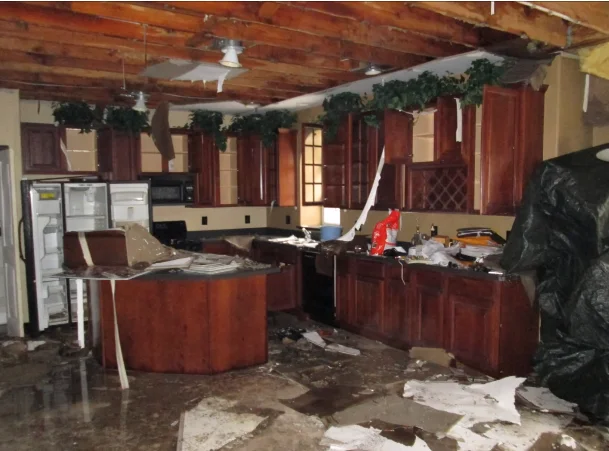
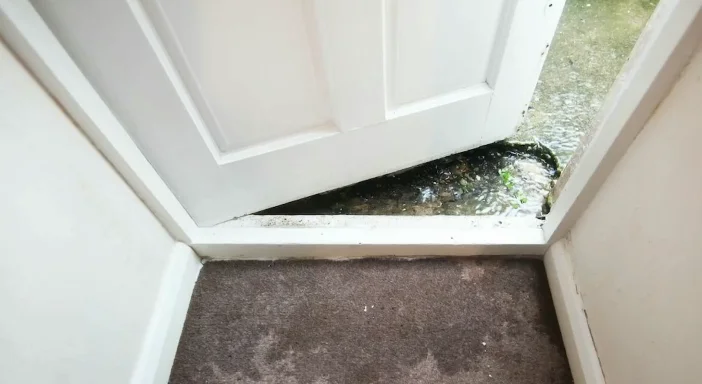
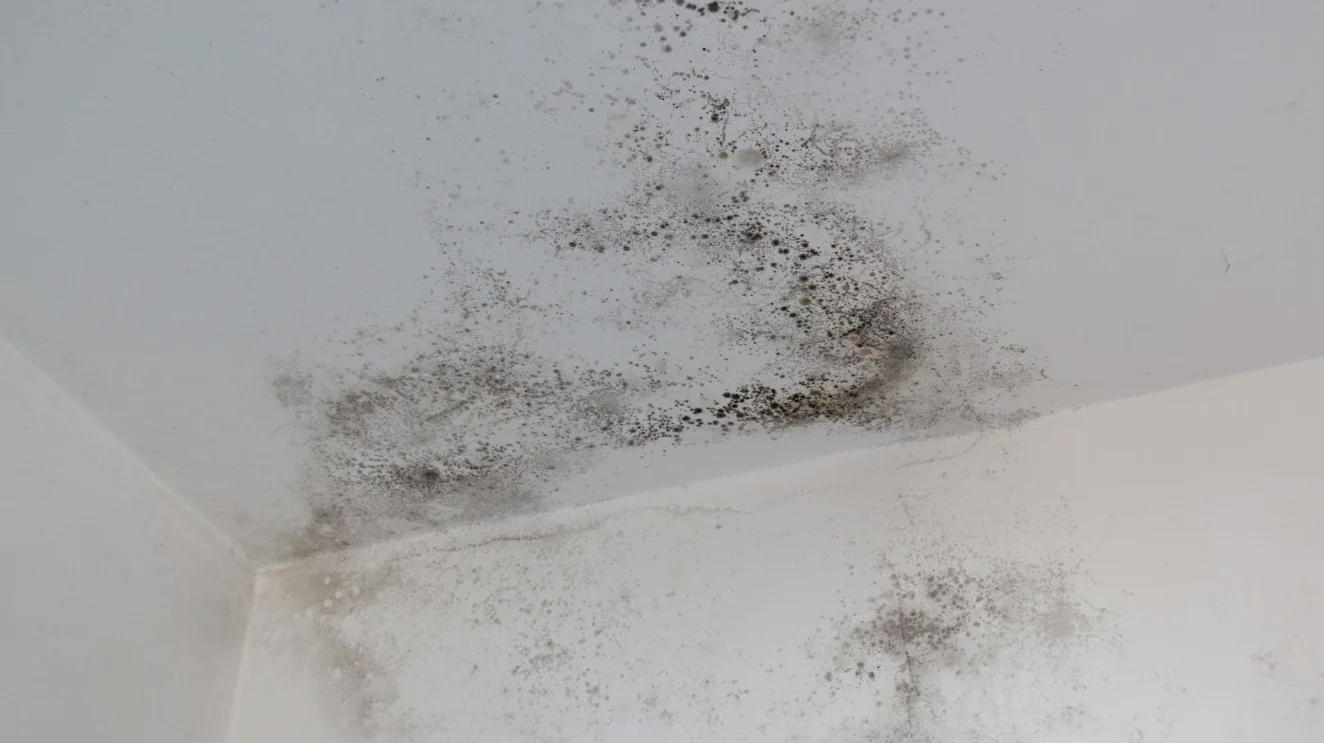
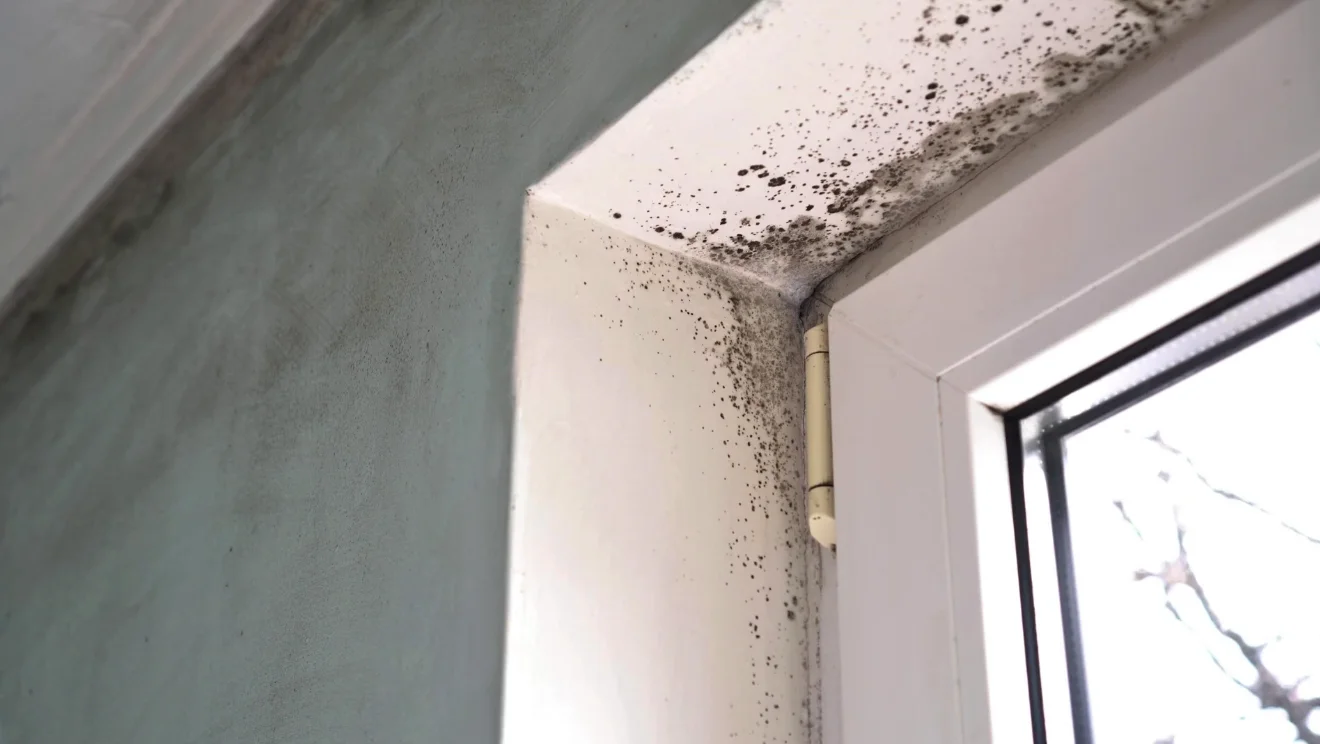
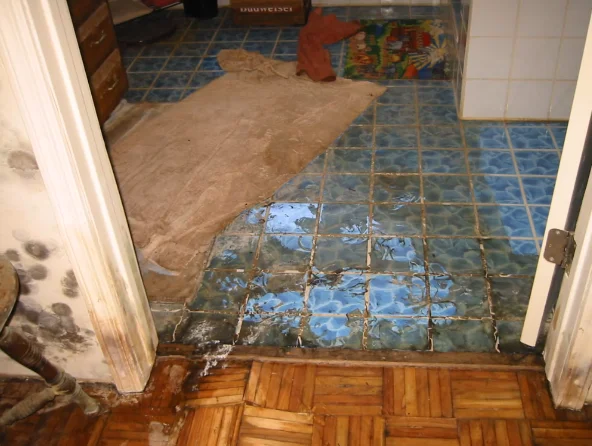
water damage orlando kitchen flooding requiring emergency water extraction and cleanup orlando fl water damage door frame moisture damage requiring professional restoration water damage restoration orlando leakage pipe wall damage requiring immediate service orlando water damage wall stain moisture damage showing need for water restoration service water damage restoration orlando window frame staining moisture intrusion professional repair water damage orlando fl ceiling and wall stains requiring professional water damage repair
E-E-A-T — Experience, Expertise, Authority, Trust

About DryGuard Restoration

DryGuard Restoration in Orlando. We work across Orange County and the surrounding area. Our lead techs are IICRC certified; you can check that yourself at iicrc.org. Mold remediation runs under Florida license #MRSR3847, listed at MyFloridaLicense.com.

We've worked through three major hurricanes here: Charley in 2004, Ian in 2022, and Milton in 2024. Orlando homes aren't all built the same. Old pier-and-beam bungalows sit in College Park. New slab homes rise in Lake Nona. Lakefront houses line Windermere. Each area has its own style. Water affects each item in its own way. You learn this by working here for years.

We reviewed this page. We followed the IICRC S500 standard. We checked Florida's insurance laws (Chapter 627). We used FEMA's flood guidance. We looked at Orange County's flood zone rules. Pricing reflects current 2026 rates for Central Florida.

Meet Our Team & Credentials →
water damage restoration orlando professional certified technician assessment service
🏅
IICRC S500 Certified
Water Damage Restoration
📋
FL License #MRSR3847
Mold Remediator §468.8411
4.9★ · 147 Reviews
Verified Google Reviews
🌀
3 Hurricane Seasons
Charley · Ian · Milton

Water on Your Floor?
We're Available Right Now.

Orlando's 24-hour mold window is already running. IICRC-certified crews are ready to help in Orange County. They work 24/7, all year round, even tonight.

📞 (407) 250-7641 — Call Now See Pricing First →
Written estimate before any work begins
No extra charge for nights or weekends
Insurance documentation from hour one
Licensed mold remediator on every job
📞 (407) 250-7641 — Tap to Call 24/7