Water Damage Restoration Cost Orlando FL | Real 2026 Prices
These prices come from real jobs over 400 of them across Orlando and Orange County. Not national averages, not guesses. Updated Q2 2026.
Water Damage Restoration Cost in Orlando by Category & Severity
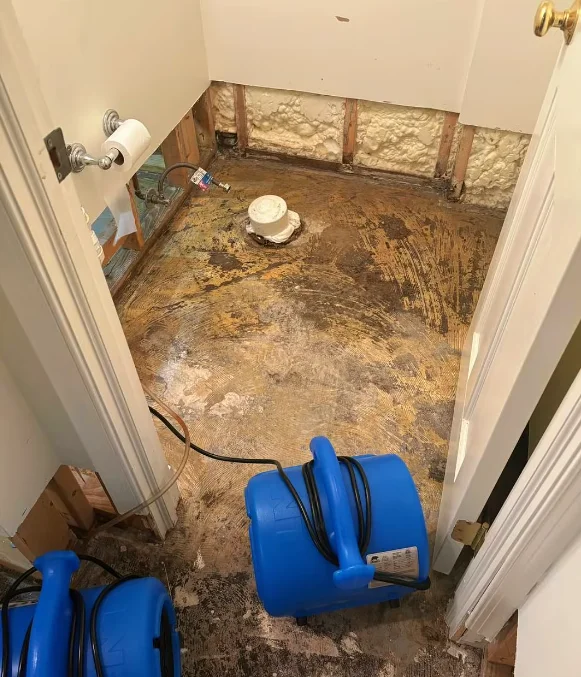
IICRC classifies water damage into 3 categories and 4 classes. Category determines contamination risk; class determines how much material is wet. Both drive your final cost. Here's exactly what that means in Orlando pricing.
Why Water Damage Restoration Costs More in Orlando Than National Averages?
Every national pricing guide you read online is wrong for Orlando. Here's why our market runs 8%–22% above national averages and why that's actually protecting you.
74%–77% Relative Humidity Year-Round
Orlando stays above the 60% mold threshold every single day of the year. Drying here takes 15% to 25% longer than in drier climates, which adds more equipment days and more labor..
Karst Limestone = Slab Leaks
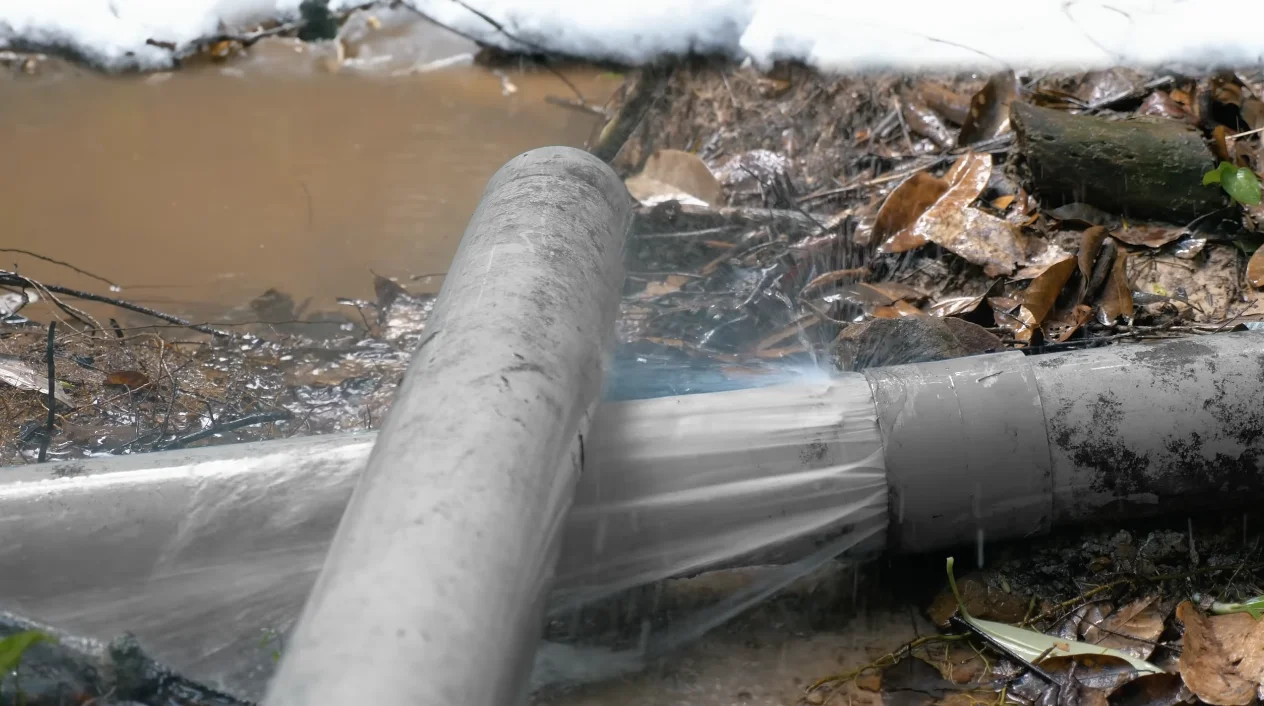
The ground under Orange County shifts a little over time because of the limestone below it. That shifting puts stress on the copper pipes under your slab, and eventually, they crack. Finding a slab leak takes special equipment. Fixing it often means drying out the ground under your foundation, which adds $2,800 to $6,500 to the cost.
Pier-and-Beam Foundations
Most homes in College Park, Thornton Park, and Audubon Park were built before 1960. They often have crawlspaces. They do not have slabs. If water gets under the house, drying out that crawlspace adds $800 to $2,200.
Hurricane Season Surge Pricing
After a big storm like Ian or Milton, everyone needs a restoration company at once. Prices jump 20% to 40%. If you have already worked with a company before the storm hits, you can lock in your price before that happens.
FL Mold Licensing Requirement
Mold work in Florida needs a special license. That adds to the cost, but it's not something you can skip. Doing mold work without a license is illegal here, and it can cancel your insurance coverage.
Water Damage Restoration Cost by Specific Scenario — Orlando 2026
The most common question we get: "My [situation] happened; what will this cost?" Here are real scenario costs based on Orlando jobs completed in 2025–2026.
Burst Pipe (Supply Line)
Cat 1 clean water. Cost depends on how long it ran and what rooms are affected. Caught within 1 hour: $860–$1,200. Ran overnight: $1,800–$2,800+.
AC Condensate Line Overflow
Most underreported water damage type in Florida: AC systems run 10+ months/year. Clogged drain pans overflow into ceilings and walls, often undetected for weeks. Mold is common.
Washing Machine / Dishwasher Overflow
Gray water (Cat 2) requires sanitization in addition to drying. Adds 20%–30% over clean water jobs. Kitchen tile often needs to be pulled up to dry the subfloor beneath.
Sewage Backup
Category 3 black water. All porous materials must be removed and discarded: flooring, drywall, insulation. PPE, biohazard disposal, and EPA-registered sanitization are required.
Slab Leak (Pipe Under Foundation)
Common in Orlando due to karst limestone geology. It uses thermal imaging to find issues. Slab penetration may be needed for plumbing. Subfloor drying takes 7 to 10 days.
Hurricane / Tropical Storm Flooding
Category 3 storm water. Post-Milton (2024) Central Florida saw $8,000–$35,000 average claims. The FEMA 50% rule kicks in when repair costs go over 50% of the home's value. In that case, you must elevate the entire structure.
Mold Remediation Added to Water Job
If you find mold during cleanup, Florida law says to get a licensed mold remediator (§468.8411). In Orlando's humidity, visible mold appears within 48 hrs of any water event.
Crawlspace / Pier-and-Beam Flooding
Homes in College Park, Thornton Park, and Audubon Park often have pier-and-beam foundations. Crawlspace drying requires specialized equipment and adds 2–4 days to the job.
Hardwood Floor Water Damage
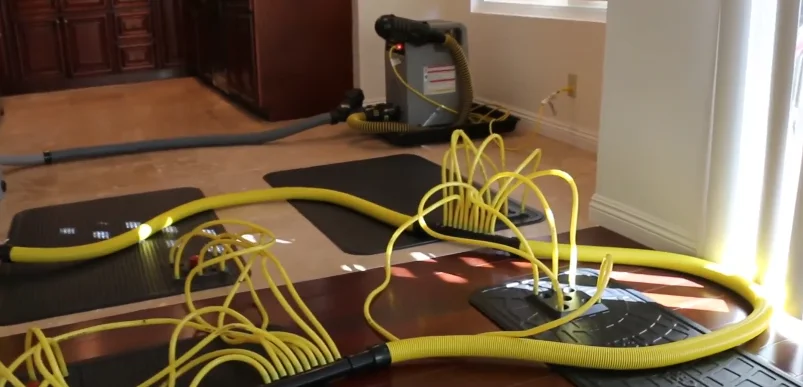
Hardwood absorbs water fast and buckles or cups within hours. In Orlando's humidity, even after drying, you may see warping. Drying mats and specialized floor equipment are required.
What's Included in a Water Damage Restoration Quote in Orlando?
When you get a quote from DryGuard or any IICRC contractor, it should show exactly what you’re paying for. It must be clear and detailed. We give this to you in writing before we start any work, and it's formatted so you can send it straight to your insurance.
🚫 Red Flags in Any Orlando Water Damage Quote
- No written estimate before work begins
- Quote is verbal only, no itemized breakdown
- Contractor asks you to sign assignment of benefits (AOB) on day one
- Storm chaser who showed up uninvited after hurricane
- No IICRC certification or FL Mold Remediator license
- Drastically below-market quote — means corners will be cut
- Promises to "deal with your insurance" before inspecting
Answers to the Most Common Water Damage Cost Questions in Orlando
How much does water damage restoration cost per square foot in Orlando?
Costs depend on the type of water involved. Category 1, or clean water, runs $3 to $4 per square foot. Category 2, gray water, runs $4 to $7. Category 3, black water (or sewage), runs $7 to $7.50. These prices are 8% to 15% higher than the national average. This is because Orlando's humidity slows down drying. For example, a 500 square foot area with clean water typically costs $1,500 to $2,000 for extraction and drying. Reconstruction is a separate cost on top of that.
Is water damage restoration covered by homeowners' insurance in Florida?
An HO-3 policy covers sudden and accidental water damage. This includes burst pipes and appliance failures. It also covers storm damage. For instance, wind or hail can create an opening that lets water in. It doesn't cover rising floodwater. You need a separate NFIP flood policy for that. It also doesn’t include slow leaks or pipe corrosion. Mold coverage is usually capped at $10,000 under Florida law. Your insurer also has to pay or deny your claim within 60 days of receiving your proof of loss.
What raises the cost of water damage restoration in Orlando versus other cities?
Three things make Orlando more expensive than most places. (1) Humidity: Orlando's humidity ranges from 74% to 77%. This is much higher than the 60% mold threshold. So, drying equipment needs to run longer. (2) AC condensate damage: Florida's AC units run nearly all year. Clogged drain lines can cause hidden water damage. (3) Hurricane: Orlando is in Florida's hurricane corridor. After a major storm, prices often jump. They can rise by 20% to 40% due to high demand. The limestone underground here causes many slab leaks. You’ll see more leaks here than in most other areas.
Can I save money by doing water damage restoration myself in Orlando?
A consumer wet-vac can remove standing water. However, it can't dry wood, walls, or subfloors. In Orlando's humidity, hidden moisture like that turns into mold within 24 hours. Using box fans to dry takes about 10 times longer than industrial gear. It can also trap moisture behind the walls. There's also a legal issue: Florida requires a licensed mold remediator for any mold work. Doing it yourself isn't risky; it's illegal, and it can void your insurance claim. For a very small Category 1 spill caught right away, basic equipment might be enough. A failed DIY project often costs more than hiring a pro from the start.
How does acting fast reduce water damage restoration costs in Orlando?
Acting within the first hour can cut your total cost by 30% to 50%. The math behind that is simple: wood absorbs water at a steady, measurable rate. With Orlando's humidity sitting at 74% to 77%, mold can start growing on wet drywall within 24 hours. By 48 hours, you can usually see mold colonies forming. Past 72 hours, you're looking at full mold remediation, which adds $1,500 to $6,000 or more to the job. Calling at hour one can mean a $1,200 extraction job. But waiting until hour 24 can lead to a $4,500 job. This larger amount covers extraction, demo, and mold removal.
3 Real Water Damage Restoration Cost Examples in Orlando, FL
These are composite case studies drawn from actual jobs completed in Orange County. Names changed; details are accurate.
Written & Reviewed By
Get Your Written Orlando Water Damage Cost Estimate
No commitment. No pressure. An honest, itemized written estimate formatted for insurance before any work begins. We'll tell you exactly what your job will cost and why.
Written estimate provided before any work begins. IICRC Certified · FL Mold Lic. #MRSR3847 · 4.9★ · 147 Reviews
→ Wondering if you should file an insurance claim? Read our honest decision guide