Does Homeowners Insurance Cover Water Damage in Florida? The Complete 2026 Guide
What your Florida policy covers and doesn’t. What key statutes require from your insurer. How to maximize your water damage claim in Orlando. Written by restoration contractors who work with adjusters daily.
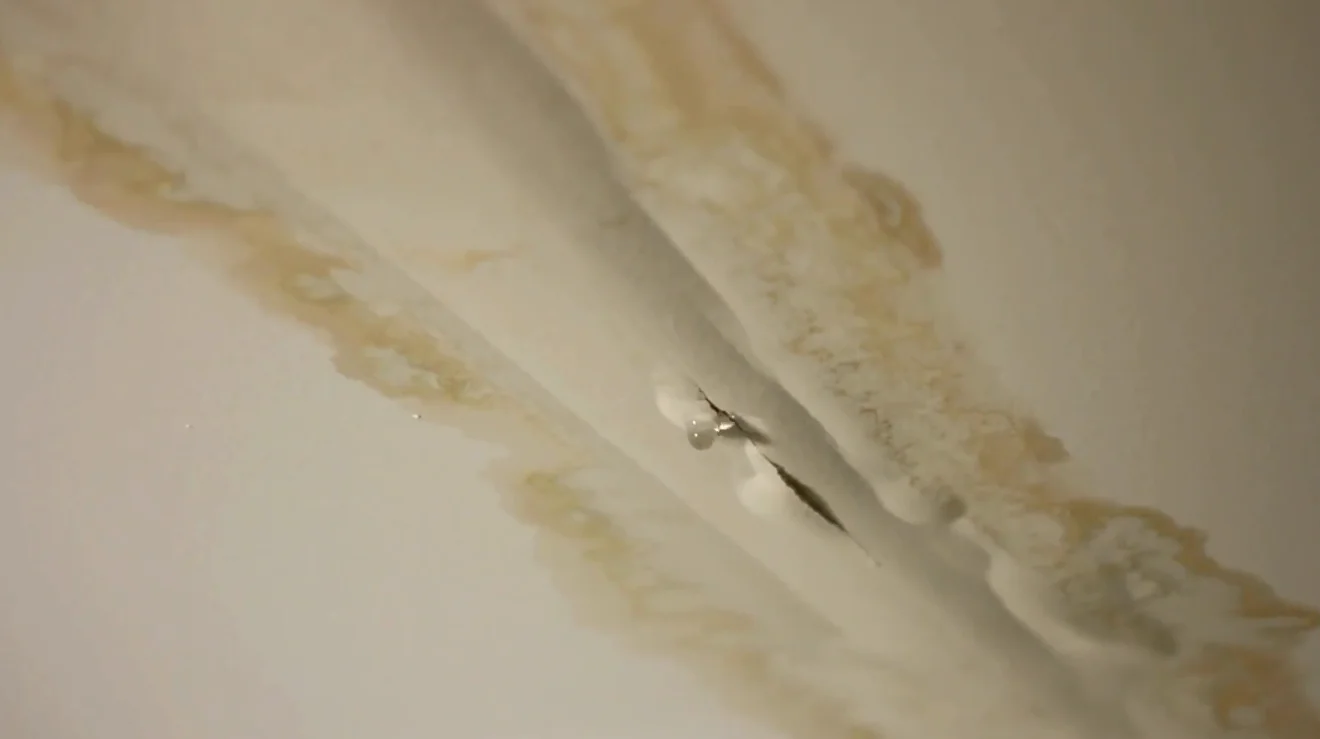
What Florida Homeowners Insurance Covers and Doesn't Cover for Water Damage
✅ Generally Covered (Standard HO-3)
- ✓Burst supply pipes — sudden and accidental pipe failures inside the home
- ✓Appliance overflow — washing machine, dishwasher, refrigerator ice line if sudden
- ✓Water heater failure — sudden tank rupture or fitting failure
- ✓Wind-driven rain — when wind or hail first creates an opening in the roof or wall
- ✓AC condensate (sometimes) — if float switch failure is documented as sudden mechanical failure
- ✓Toilet overflow — accidental overflow, not sewage backup
- ✓Mold from covered event — up to $10,000 cap (Stat. §627.714)
❌ NOT Covered (Standard HO-3)
- ✗Rising floodwater — storm surge, river overflow, street flooding. Requires NFIP policy.
- ✗Gradual or slow leaks — drips that accumulated over time, slow seepage
- ✗Sewage backup — requires a separate sewage backup endorsement
- ✗Pipe corrosion — classified as maintenance failure, not sudden event
- ✗Deferred maintenance — known leaking roof, deteriorated caulking, neglected plumbing
- ✗Mold over $10,000 — FL Stat. §627.714 hard cap applies to most policies
- ✗Vacancy damage — most policies exclude damage if home was vacant 30–60+ days
Key Florida Statutes That Protect You During a Water Damage Insurance Claim
Most Florida homeowners don't know these statutes exist. Knowing them changes how you interact with your insurer and what you can demand.
The 14-Day / 60-Day Insurer Deadline
Your insurance company must acknowledge your claim within 14 days of receiving notice. They must then pay or deny it within 60 days of receiving proof of loss. If they fail to pay within 60 days, interest accrues on the unpaid amount from the date of the original notice. This is one of the strongest claims-processing consumer protections in the country. If your insurer is stalling past 60 days, you have leverage.
What this means for you: Send your proof of loss in writing, either by certified mail or by email with a read receipt. The 60 day period begins when they receive it. Keep a record of every communication.
The $10,000 Mold Cap
Most Florida homeowners insurance policies cap mold remediation coverage at $10,000. This cap applies even if the mold resulted from a fully covered water damage event. The cap covers mold testing, remediation, and related mold-caused damage. If your job costs over $10,000, that’s common for big mold problems in Orlando's humidity. You will have to pay the extra money yourself. If you bought supplemental mold endorsements, you can use those too.
What this means for you: Check your policy's mold endorsement. You might be able to buy more mold coverage. If you have different damage types, like water and mold, document them separately. This way, full water coverage applies, and only the mold part counts toward the cap.
Protection Against Policy Cancellation After a Claim
Florida law protects you in this situation. Under Statute §627.4133, an insurer cannot cancel your policy after one claim. This applies to water-damage or weather claims. Water damage is the second most common claim type in the state. Many homeowners avoid filing because they think it will cause cancellation. That fear is not correct for one claim. If you file multiple claims, the insurer may not renew the policy.
What this means for you: You should file the claim you are entitled to, even if you feel scared. If the insurer says they will cancel the policy, contact a public adjuster or an attorney.
Claim Filing Deadlines
In Florida, you have to file your initial claim within 1 year of the damage. If you find more damage later, you have 18 months from the original date of loss to file a supplemental claim. These deadlines are shorter than what most other states allow, so don't assume you have more time. If you miss the 1-year deadline for your initial claim, your claim can be denied completely, with no way to appeal it.
What this means for you: File the claim right away. If you are unsure whether the damage is covered, submit the notice of claim anyway. You can withdraw it later. You cannot file after the deadline.
Mold Work Requires a Licensed Contractor
In Florida, only a licensed FL Mold Assessor can inspect for mold. A licensed Mold Remediator is needed for cleanup. They can also supervise the process. This matters more than people realize. If you hire someone without the right license, your insurance might deny your whole claim. This can happen even if they only did part of the job. That's their legal right. So before any mold work starts, always ask for the contractor's license number.
DryGuard's license: FL Mold Remediator #MRSR3847. You can verify it yourself at MyFloridaLicense.com.
Florida Water Damage Insurance Questions | Precise Answers
Does flood insurance cover water damage from rain in Orlando?
Coverage depends on the water source. If rain gets in through a broken roof, a homeowner's policy will pay. Water that rises from the ground is flooding. Water that overflows a drain or arrives as storm surge is also flooding. Only flood insurance pays for that damage. A regular homeowner's policy does not include flood coverage. FEMA reports that about 22 percent of Orlando is in a flood zone.
How long does a Florida insurance company have to settle a water damage claim?
Florida law puts real deadlines on insurance companies. Once you file a claim, they have 14 days to acknowledge it. From there, once they've got your proof of loss, they have 60 days to pay or deny it. Miss that window, and they owe you interest on top of the payout. If it seems like your insurer is stalling, keep a record. Write down every call and email. And if they blow past the deadline, you're not stuck. File a complaint with the Florida Department of Financial Services.
What is an Assignment of Benefits (AOB) and should I sign one for water damage in Florida?
An Assignment of Benefits, or AOB, gives your contractor the right to your insurance money. Once you sign it, they deal with your insurer directly, and you're left out of the process. Our advice: don't sign one. Florida changed the AOB laws in 2023. Contractors were using them to inflate their bills. A better option is simple: get a clear, honest quote from your contractor. Let them handle discussions with your adjuster. You’ll still stay in control of your claim.
Can my Florida insurer deny my claim because I didn't act fast enough?
This often occurs. Your insurance policy requires you to act quickly after you see water damage. If you delay, the insurer may claim the delay caused extra damage and deny payment for that part. Speed is thus important. When we arrive, we note the time, what we see, and where we place our equipment. This record can show that you responded promptly when you speak with the adjuster.
How to File a Water Damage Insurance Claim in Orlando, Florida
Stop the Water Source
Shut off the main water supply or the affected fixture. This is your legal duty to mitigate, and it's the first thing your adjuster will ask about.
Document Everything Before Cleanup
Take photos and videos of all damage before you move anything. Capture the water source, the spread of water, and every wet surface. Make sure each image shows the date; most phones add this automatically. These records will support your insurance claim.
Call Your Restoration Contractor
Call DryGuard at (407) 250‑7641. Waiting can make damage worse. We will send a crew right away. As we work, we create important paperwork for you. This includes moisture maps, thermal images, and daily moisture logs. Your insurance adjuster will ask for these documents.
File Your Claim Promptly
Under Statute §627.70132, you have 1 year to file an initial claim. Don't wait. Notify your insurer immediately even if you're not sure what's covered. File in writing (email or certified mail) and keep records of all claim communications.
Meet Your Adjuster With Documentation
Your insurer will assign an adjuster. Have your contractor's moisture mapping report, photo log, and written scope ready. DryGuard formats all documentation for adjuster submission. The adjuster's initial estimate may be low our documentation supports your full claim.
Review, Appeal, or Dispute if Needed
Sometimes an insurer will pay less than the cost to repair your property. You can try to negotiate a higher payment and use your paperwork as proof. You may also hire a public adjuster to represent you. If the insurer clearly broke the rules, you can contact a Florida insurance lawyer. Florida Statute §627.70131 says the insurer must give a decision within 60 days. Because of that deadline, you should act before it ends.
📋 What DryGuard Provides for Your Insurance Claim
- Moisture mapping with meter readings (documented with GPS + timestamp)
- Thermal imaging photos showing hidden moisture paths
- Daily moisture log entries throughout drying phase
- IICRC-standard drying target documentation
- Itemized scope of work in adjuster-readable format
- Photo log of all damage before, during, and after
- Signed contractor certification for insurance submission
- Separate documentation for mold and water (to protect against mold cap)
More Florida Water Damage Insurance Guides
Water Damage in Orlando? We Handle the Insurance Documentation.
DryGuard offers full adjuster-ready documents for each job. This includes moisture maps, daily logs, and an itemized scope. We work with all major Florida carriers. Call now and we will start documenting from minute one.