Emergency Water Damage Restoration Orlando FL | We're Dispatching Now
Water on the floor? A ceiling collapsing? A burst pipe? In Orlando, each minute of delay lets mold grow closer to the walls. Our crews are IICRC certified and work around the clock, every day of the year. We answer calls directly; there is no answering service, voicemail, or paperwork.
One call starts extraction. We handle the insurance documentation.
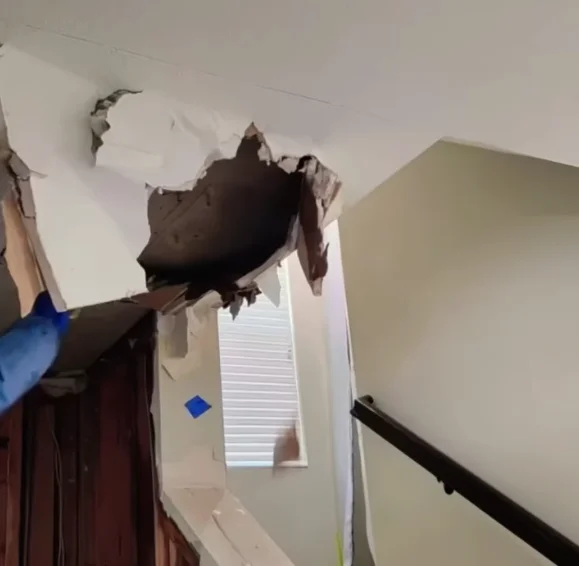
The Orlando Water Damage Timeline: What Happens Every Hour You Wait
Orlando's average relative humidity is 74 to 77 percent. This makes it very hard on buildings with water damage. Here is what happens when water sits in your home.
Acting at hour 1 vs hour 24 saves 30–50% of your total restoration cost.
In Orlando's humidity, there is no "I'll deal with it in the morning."
What Happens When DryGuard Arrives at Your Orlando Home
From the moment we pull up, there's a sequence. Every step is documented for your insurance claim. Here's exactly what the first hours look like.
Safety Check First — Every Time
We confirm the water source is off. We check for electrical dangers before anyone enters. We test the standing water for contamination. This is done before anyone goes in without proper protective gear.
Moisture Mapping — Full Structure
Calibrated moisture meters + thermal imaging cameras map all water migration paths. We find hidden water in wall cavities, under flooring, and inside ceilings that you cannot see. This documentation is submitted to your insurance adjuster.
Written Scope — Before Work Begins
We provide a written, itemized estimate before any equipment is placed or any work begins. You know exactly what will happen and what it costs. No surprises. This is non-negotiable at DryGuard.
Industrial Extraction — Immediate
Truck-mounted and portable industrial extractors remove standing water 10× faster than consumer wet-vacs. We extract from flooring, subfloor, carpeting, and wall cavities simultaneously.
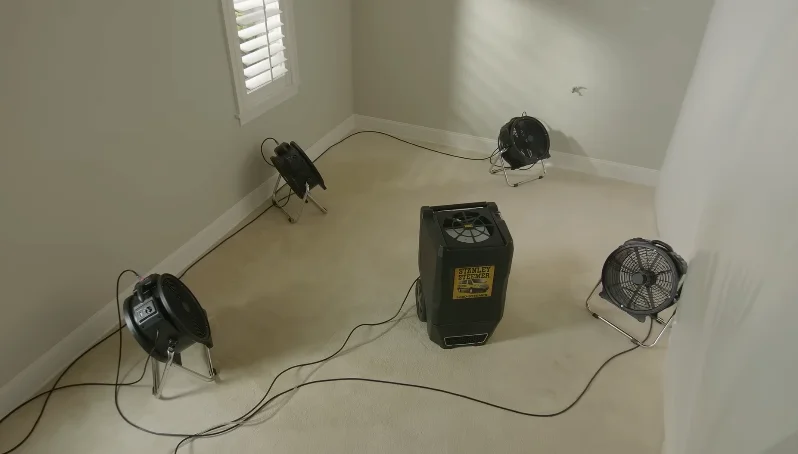
Drying Equipment Placed — 24/7 Run
We set up industrial air movers and LGR dehumidifiers using IICRC S500 calculations. We do not guess their placement. Equipment runs continuously. Orlando has high humidity. So, we set target humidity levels 8% to 12% lower than national standards. This helps control the moisture in the air.
Daily Monitoring + Insurance Log
A technician visits daily. They log moisture readings, adjust equipment, and update your insurance paperwork. You receive a copy of every reading. We do not leave equipment and disappear.
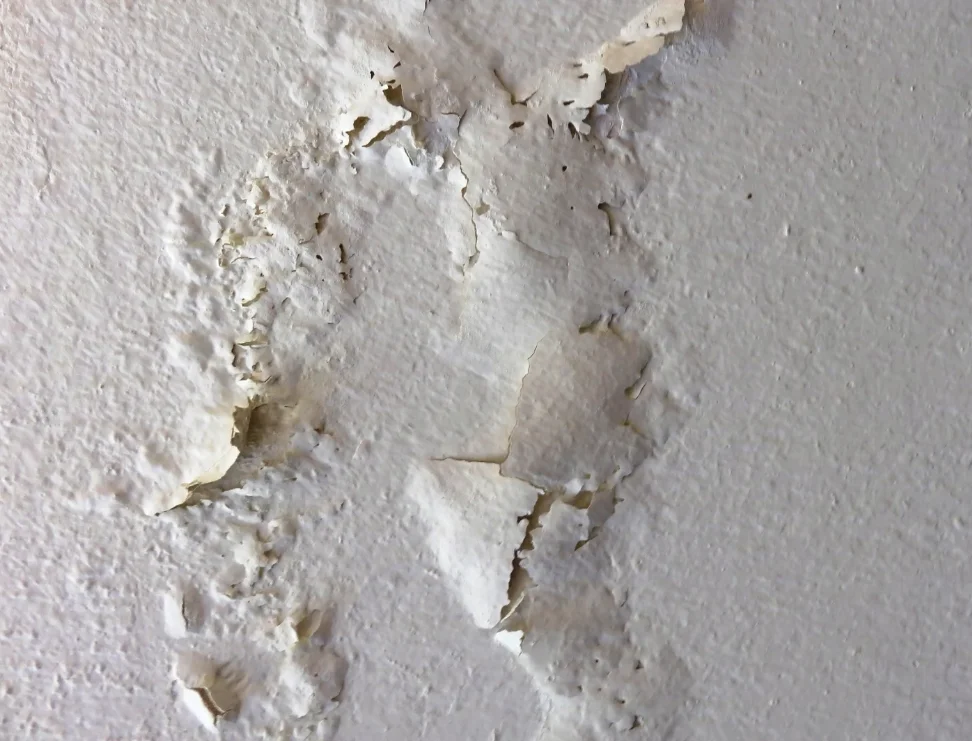
Orlando Water Damage Emergencies We Respond To 24/7
Burst & Broken Pipes
Older Orlando homes often have copper pipe failures. These issues involve supply lines and water heater connections. Copper corrodes in these homes due to karst-influenced water chemistry.
AC Condensate Overflow
People in Florida often overlook a common type of water damage. Air conditioners run over 10 months a year in Orlando. Their clogged drain pans can overflow silently into ceilings for weeks.
Hurricane & Storm Damage
We've watched a lot of storms roll through Orlando over the years Charley back in 2004, Ian in 2022, Milton in 2024. Each one brought its own mess: wind-driven rain finding its way in, storm surge, roofs torn open. If you've lived here a while, you already know the drill.
Appliance Floods
A dishwasher breaks. A washing machine overflows. A fridge ice line fails. A water heater stops working. All these problems create gray water. That's Category 2 water, and it's not something you just mop up. It needs to be sanitized properly and fully dried out, or you're looking at bigger problems down the road.
Slab Leaks
Pipes leaking under the foundation. Orlando's karst limestone geology makes slab leaks above-average frequency. Requires thermal imaging detection and subfloor drying.
Sewage Backup
Category 3 black water: biohazard protocols required. All porous materials in contact must be removed and discarded. Our crew arrives in full PPE.
Roof Leaks
Storm damage, aging tile roofs, failed flashing. Attic insulation and ceiling drywall saturate quickly. Florida tile roofs have a 25–30 year lifespan many are past it.
Commercial Flooding
Retail, restaurant, office, hotel, warehouse. Business interruption means every hour costs more. We prioritize a fast commercial response across the I-4 corridor.
What to Know During a Water Damage Emergency in Orlando?
What should I do immediately after water damage in Orlando?
First, stop the water at the source. Find your main shutoff valve now, before you actually need it. It's usually near the street at the water meter, or on the side of your house. Once the water's off, go to your breaker panel and kill power to any wet areas. Call DryGuard at (407) 250-7641. Keep windows closed and fans off. Humidity in Orlando is usually between 74 and 77 percent. More humidity can add moisture to damp buildings. It slows down drying a lot. Before you move anything, use your phone to take pictures of everything. You will need these photos for your insurance claim.
Can I use a regular wet-vac for emergency water removal in Orlando?
A consumer wet‑vac can lift standing water from hard floors. Using it within 15 minutes is better than letting it sit. It cannot pull water out of carpet padding, drywall, subfloor, or wood framing. Those spots are where mold grows in Orlando’s humid climate. Truck‑mounted extractors have ten times more vacuum pressure and flow rate than consumer units. For spills larger than a small surface area, you need professional extraction.
Should I call my insurance company before calling a restoration company?
Call a restoration company right away to stop the water damage. Insurers cannot stop water from spreading. Your policy requires you to reduce damage; delaying work until insurance approval can hurt your claim. Call your insurer after you call the contractor. When DryGuard arrives, they will take photos and notes for the adjuster. We work with all major Florida insurers and provide documents ready for the adjuster.
Is it safe to stay in my Orlando home during water damage restoration?
During Category 1 events you can stay at home while the water dries. The industrial equipment used is loud but not dangerous. In Category 2 events you can remain if the gray water area is contained. In Category 3 events you should leave until professionals clean and test the area. Our crew will give you specific advice about your situation. We can also record displacement costs. This helps you file an insurance claim if you need temporary housing.
What Happens When You Call DryGuard at 2 AM
"Pipe burst at 1:30 AM in our College Park home. I honestly wasn't sure anyone would answer DryGuard picked up on the second ring. Crew was here within the hour. They had moisture meters out before I finished signing the estimate. My adjuster said the documentation they provided was the most thorough he'd seen."
"During Hurricane Milton, water entered the back of our house in Dr. Phillips. DryGuard answered my call. They explained what would happen. The next morning a crew arrived. They handled the flood claim and the wind claim separately. Their work stopped a potential nightmare."
"I saw water stains on my bedroom ceiling on a Sunday afternoon. I called DryGuard. They said I couldn't wait until Monday. The crew came that day. They found the AC drain had been leaking into the ceiling for weeks and fixed it. Their quick work stopped a mold problem."
Water Emergency in Orlando? Every Minute Counts.
In Orlando's 74%–77% humidity, mold begins growing within 24 hours. Don't wait until morning. Don't wait for insurance authorization. Call now we're already dispatching.
📞 (407) 250-7641Live person answers 24/7 · IICRC Certified · Written estimate before work starts