Water Damage Restoration Winter Park, FL
Winter Park has many historic homes. Most of these homes were built before 1960 and are more susceptible to water damage. This risk is greater than for newer homes in Lake Nona. Cast-iron pipes, knob-and-tube plumbing, and pier-and-beam foundations each respond uniquely to water. We know Winter Park homes.
Water Damage Restoration in Winter Park, FL: What Sets Your Neighborhood Apart
Winter Park includes historic homes. Homes in this area are among the more expensive properties in Orlando. Homes in this area are located on the lakefront or in Rollins Park. Prices range from $800,000 to $3 million. Some older homes may be at risk for water damage. Old homes often struggle with water damage due to their age. Old copper and cast-iron supply lines cause this risk. Clay tile drain lines and pier-and-beam foundations with crawlspaces also add to it.
Unique Water Damage Risks in Winter Park
- Copper pipes installed before 1960 can develop pinhole leaks. The leaks are caused by years of damage from minerals found in hard water. These leaks often go undetected for months.
- Original homes with pier-and-beam crawlspaces have a moisture problem. This moisture fosters conditions for mold to grow. Flooding in the crawlspace can drive up restoration costs, reaching up to $2,200. This is in addition to the initial $800 it could cost.
- Clay tile drains often get blocked when tree roots grow into them. This can cause sewage backups.
- Homes and buildings near Virginia Lake Sue Lake and Maitland Lake sit in flood risk areas. NFIP insurance depends on location and the FEMA 50% rule. The National Flood Insurance Program applies these rules to determine coverage for properties.
Winter Park FL Water Damage Restoration: Local Knowledge, Not Generic Services
DryGuard has restored water-damaged homes in Winter Park for more than 50 properties. The city has historic bungalows in Hannibal Square, as well as newer homes in the eastern part of town. In contrast, lakefront estates are found along Park Avenue. Our team has the equipment to handle pier-and-beam crawlspace renovations. This service is not typically offered by many other restoration companies.
24/7 Emergency Response — Historic Home Specialists
Winter Park homes from the 1920s–1950s have original plumbing and pier-and-beam foundations requiring specialist equipment. A real person answers immediately. On-site in under 20 minutes. We know how pre-1960 Orlando homes respond to water events.
Thermal Imaging — Protecting Irreplaceable Original Materials
In Winter Park pre-1960 homes, water hidden in walls threatens irreplaceable plaster, original wood paneling, and heart pine floors. Thermal imaging finds the hidden saturation zone before visible damage appears — before the window to save closes.
Insurance Docs — Lakefront & Vintage Home Claims
Lakefront properties near the Winter Park Chain of Lakes face flood zone nuances that standard adjusters miss. We document cause-of-loss accounting for your property's specific lake proximity, construction era, and pipe system.
Licensed Mold Remediation — Pre-1960 Materials Expertise
Older plaster and wood lathe in Winter Park homes trap mold behind walls without visible surface signs. FL Mold License #MRSR3847. We assess and remediate the full hidden scope — not just what's visible at the surface.
Common Questions From Winter Park Homeowners
What are the most common causes of water damage in Winter Park FL?
The same issues tend to repeat here. Homes built before 1975 often have old copper pipes. Hard water gradually thins them out. Eventually, leaks form. Air conditioners installed in attics often overflow. Many local homes depend on air conditioning. Tile and flat roofs older than 20 years crack and leak. Pier-and-beam homes face flooding in crawl spaces after heavy rain. If your home sits near Park Avenue or the lakefront, watch your plumbing carefully. Older homes in that area experience leaks most frequently.
Does water damage restoration in Winter Park cost more than other Orlando areas?
A little bit, yes. Two reasons why. First, a lot of Winter Park homes are pier-and-beam, and drying out a crawlspace adds $800 to $2,200 to the job. Second, these homes still have their original heart pine floors, plaster walls, and old tile. Those need careful, slower drying instead of just tearing everything out. We try to save the original materials whenever we can. It takes more time, but it protects what makes your home special.
Is my Winter Park home in a flood zone?
Flood zones exist near Lake Virginia and surrounding lakes. If you live in this area, your home may be at risk. Check msc.fema.gov to see if your address is listed. If it is in a high-risk area, FEMA has specific rules. If the damage exceeds half your home's value, officials may require you to lift the building. We record exactly where water entered your house. This helps separate flood damage from wind damage for insurance claims. Say heavy rain leaks into your basement. If that happens before structural damage, the insurer handles your claim differently.
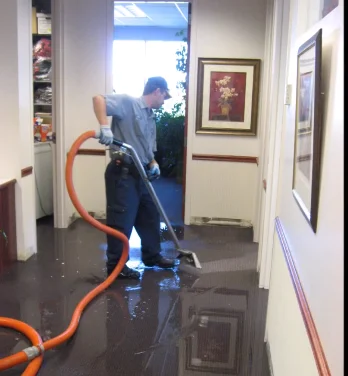
Water Damage Restoration Winter Park, FL: We Know Your Neighborhood.
Our team has IICRC certification and experience addressing building risks in Winter Park. They respond to emergencies any time of the day. A written estimate will be provided before beginning work.
Winter Park Water Damage: Chain of Lakes, Historic Architecture, and Park Avenue
Winter Park's 14 Lakes and Groundwater Risk
Winter Park contains 14 named lakes within its boundaries — more lakes per square mile than almost any other Orlando-area municipality. Lake Maitland, Lake Osceola, Lake Virginia, and Lake Berry are the largest, but dozens of smaller lakes and retention systems throughout Winter Park create pervasive groundwater elevation risk during heavy rain periods. Properties on the lakefront corridors along Lake Avenue, Interlachen Avenue, and the streets adjacent to Park Avenue's rear lake-facing lots have experienced recurring groundwater seepage during Orlando's highest-rainfall years. The Florida Department of Environmental Protection monitors Winter Park's inter-lake connections and periodically manages water levels to prevent residential flooding.
Historic Architecture — Restoration Challenges
Park Avenue and the surrounding historic residential streets contain some of Central Florida's most architecturally significant homes — 1920s Mediterranean revival estates, 1930s–1940s Tudor cottages, and mid-century modern residences that predate both post-war construction methods and modern Florida Building Code requirements. Water damage restoration in these homes requires specific expertise: plaster walls rather than drywall, heart pine and old-growth wood flooring that responds differently to moisture than modern materials, and original copper plumbing that in some Winter Park estates has been in service for 70–80 years.
Rollins College and the Rental Market
Winter Park is home to Rollins College, which creates a significant student rental housing market in the neighborhoods south and east of the campus along Fairbanks Avenue. Student rental properties have higher appliance cycling rates and lower maintenance supervision than owner-occupied homes — the same accelerated failure pattern we see in vacation rental markets. Water damage in these properties is often reported later than in owner-occupied homes because tenants may not know the landlord's emergency contact or may delay reporting minor events that develop into significant damage.
Winter Park Premium Property Values
Winter Park's median home price significantly exceeds the Orlando metro average, with many properties in the $600,000–$2,000,000+ range. High-value homes here, as in Windermere, are frequently covered by specialty homeowners insurance rather than standard HO-3 policies. Our documentation package — detailed cause-of-loss narratives, daily moisture logs, thermal imaging reports — meets the higher documentation standards required by Chubb, AIG Private Client, and other specialty carriers common in the Winter Park market.