Water Damage Restoration College Park, Orlando
Bungalows and Craftsman homes in College Park get worse water damage. These homes were mostly built from 1940 to 1965. The water damage is worse than in other Orlando homes. Pier-and-beam foundations, original cast-iron plumbing, and crawlspaces under heart pine floors are common. We specialize in exactly this construction type.
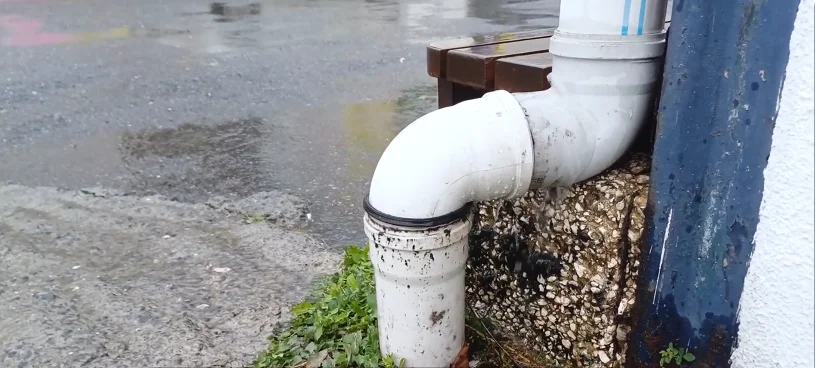
Water Damage in College Park Orlando Homes: What's Different and Why It Matters
College Park is one of Orlando's oldest neighborhoods. Many homes there were built between the 1920s and the 1960s. Most homes use a pier-and-beam foundation. The wooden frame sits on concrete piers. A crawlspace lies beneath instead of a concrete slab. It differs from most slab-on-grade homes built after 1970 in Orange County. And that difference matters because it comes with its own set of water damage problems.
Unique Water Damage Risks in College Park
- Crawlspace flooding. College Park sits in a low-lying area, and the soil here is heavy with clay, which doesn't drain well at all. When it rains hard, that crawlspace floods more often than you'd think. Cleaning that up usually adds another $800 to $2,200 to the job.
- Cast-iron supply and drain lines. A lot of homes built before 1960 still have their original cast-iron plumbing. Over the years, rust builds up inside those pipes. Eventually, that leads to supply lines failing or drains clogging.
- Heart pine subfloor vulnerability. These older homes often have original heart pine floors, and once that wood is gone, you can't get it back. So we use special drying techniques to try to save it whenever we can. It costs more, but it protects something you really can't replace.
- Ground moisture intrusion. Homes built before 1970 usually don't have a vapor barrier under the house. Ground moisture enters the crawlspace all year. It keeps the space damp and humid most of the time.
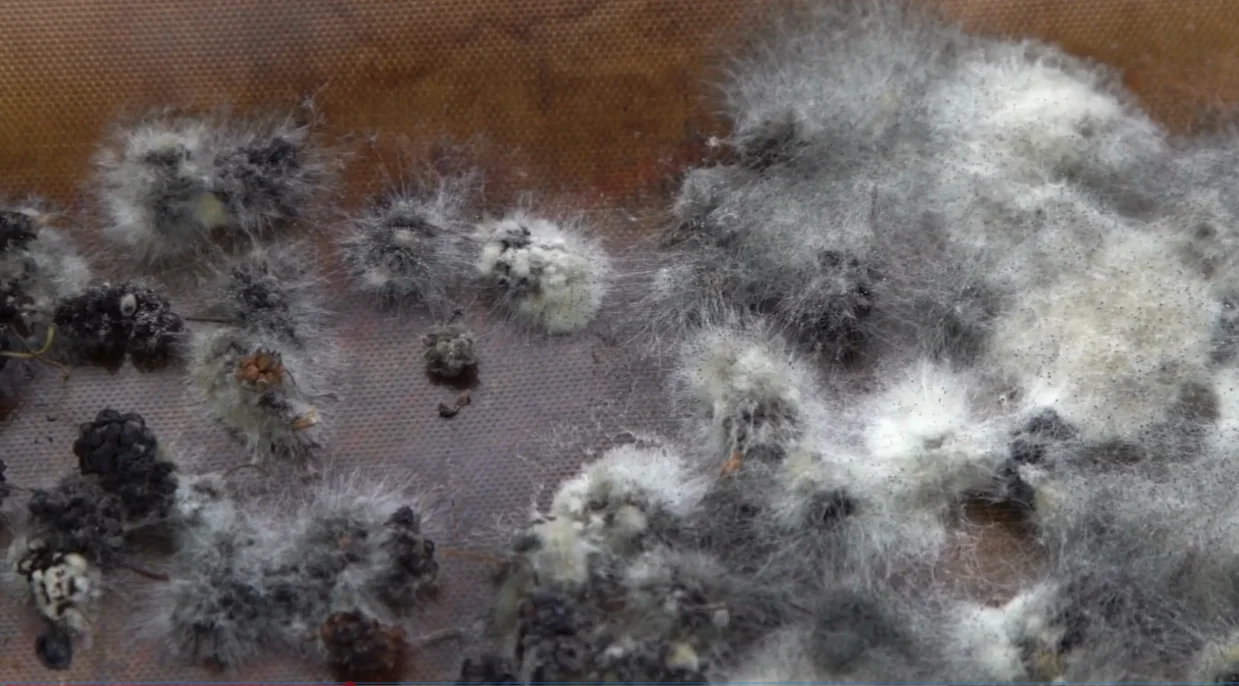
Water Damage Restoration in College Park and Orlando uses local know-how. It doesn’t rely on Generic Methods
DryGuard has helped more than 30 properties in College Park. The homes are on Edgewater Drive, Lee Road, and Princeton Street. We keep a set of crawlspace tools. The tools are submersible pumps, low-profile air movers, and desiccant dehumidifiers. We keep them ready for the pier-and-beam work found here.
24/7 Emergency Response — Crawlspace Equipment Ready
Pier-and-beam homes in College Park flood differently than slabs. We carry crawlspace submersible pumps and low-profile air movers specifically for your foundation type. A real person answers every call — on-site in 5–12 minutes.
Thermal Imaging for Subfloor & Crawlspace Moisture
Water in a College Park crawlspace wicks upward into heart pine subfloor and joists before appearing on the floor above. Thermal imaging finds it before your original floors cup or buckle — protecting material you cannot replace.
Insurance Docs — Cast-Iron Pipe Failure Documentation
Adjusters sometimes argue cast-iron failures are gradual deterioration rather than a sudden event. We document the failure mechanism and event date from arrival specifically to counter this argument and protect your HO-3 claim classification.
Licensed Mold Remediation — Crawlspace Specialists
Crawlspace mold in College Park requires equipment sized for tight access. FL Mold Remediator License #MRSR3847. We handle crawlspace remediation in the same visit — no separate contractor, no delay in reconstruction.
Common Questions From College Park Homeowners
Why is water damage more expensive to restore in College Park than in newer Orlando neighborhoods?
Pier-and-beam homes cost $800 to $2,200 more to restore than slab-on-grade homes. The extra cost comes from several factors. First, crawlspace extraction requires special submersible pumps and low-profile equipment. Second, wood subfloors and joists take longer to dry than concrete slabs. Old heart-pine floors and plaster walls should be protected rather than removed. These costs are real, not due to price increases.
Can a water-damaged crawlspace in College Park develop mold?
Crawlspaces in College Park stay humid all year. Ground moisture and limited ventilation keep the air moist. Water from floods or leaks can make mold grow on wood or in damp areas within 24 hours. Removing mold in crawlspaces is harder than removing it from above-ground rooms. Workers must follow IICRC S520 and Florida §468.8411 rules for crawlspace mold work.
Are College Park Orlando homes eligible for homeowners insurance water damage claims?
Standard homeowners insurance covers sudden accidental water damage in College Park homes. It applies regardless of the house’s age. Insurance adjusters say plumbing problems often stem from aging cast-iron pipes. DryGuard records the failure mechanism and the event date to rebut such claims. Pier-and-beam homes need records to prove crawlspace coverage in claims.
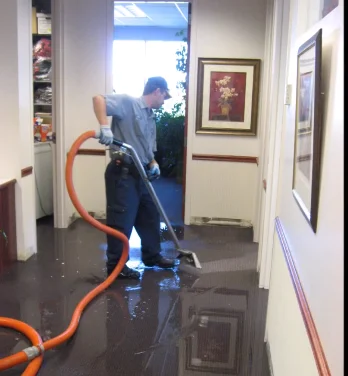
Water Damage Restoration College Park Orlando — We Know Your Neighborhood.
The crew is IICRC certified and knows the construction in College Park. They are available 24 hours a day, 7 days a week for emergencies. We provide a written estimate before any work begins.
College Park Water Damage: Pier-and-Beam Homes, Heart Pine Floors, and Cast-Iron Drains
Why Pier-and-Beam Construction Changes Everything
A significant portion of College Park's original housing stock — particularly the bungalows and craftsman homes along Edgewater Drive, Smith Street, and the grid streets running north from Princeton — sit on pier-and-beam foundations with crawl spaces underneath the living area. This construction type, common in Florida homes built before 1960, creates a very different water damage scenario than the slab-on-grade construction that dominates post-1970 Florida residential building. Water that reaches the subfloor can accumulate in the crawl space indefinitely, elevating the entire home's humidity, wicking moisture into floor joists, and creating persistent mold growth conditions underneath occupied living space that homeowners never directly see or smell until it becomes a significant structural issue.
Heart Pine and Old-Growth Hardwood Flooring
College Park's pre-1960 homes frequently feature original heart pine subfloors and sometimes finished hardwood flooring from the same era. Heart pine — the dense, resin-rich inner wood of old-growth longleaf pine — is extremely resistant to moisture damage compared to modern softwood and engineered wood flooring products. However, when it does become saturated, it requires significantly longer drying times and more aggressive equipment deployment than modern flooring. DryGuard's structural drying protocol specifically accounts for the extended drying times required by dense historic wood species.
Lake Ivanhoe and the Edgewater Drive Drainage Basin
College Park's western boundary runs along Lake Ivanhoe — one of Orlando's larger urban lakes. The Edgewater Drive corridor and the streets west of Orange Blossom Trail that border the lake experience elevated groundwater during heavy rain periods. The College Park area also contains several smaller unnamed retention systems and drainage easements that can back up during the sustained rainfall events typical of Central Florida's June–September rainy season. Properties at or near the low point of drainage basins throughout the neighborhood face recurring stormwater risk that is distinct from plumbing-related water damage.
Original Cast-Iron Drain Lines
College Park's oldest homes — those built before 1960 — have original cast-iron drain lines that are now 60–80 years old. Cast iron corrodes from the inside out over decades. As the pipe walls thin, they develop pinhole leaks and eventually collapse in sections, causing sewage backup events classified as IICRC Category 3. Cast-iron drain line failure is the most common source of major water damage events in College Park's oldest housing stock and frequently requires simultaneous drain line replacement and Category 3 restoration protocols.