AC Condensate Water Damage Restoration Orlando, FL
Orlando's AC systems run 10+ months a year. A single blocked condensate drain line silently floods ceiling cavities for days or weeks before a homeowner notices. When you finally see the soft spot in your ceiling, mold is already growing. Thermal imaging finds what you can't see.
Why AC Condensate Overflow Is Orlando's Sneakiest Water Damage Problem
In most US climates, air conditioning runs 4–5 months per year. In Orlando, it runs 10–11 months. That continuous operation means continuous condensate production — and continuous opportunity for the drain system to fail.
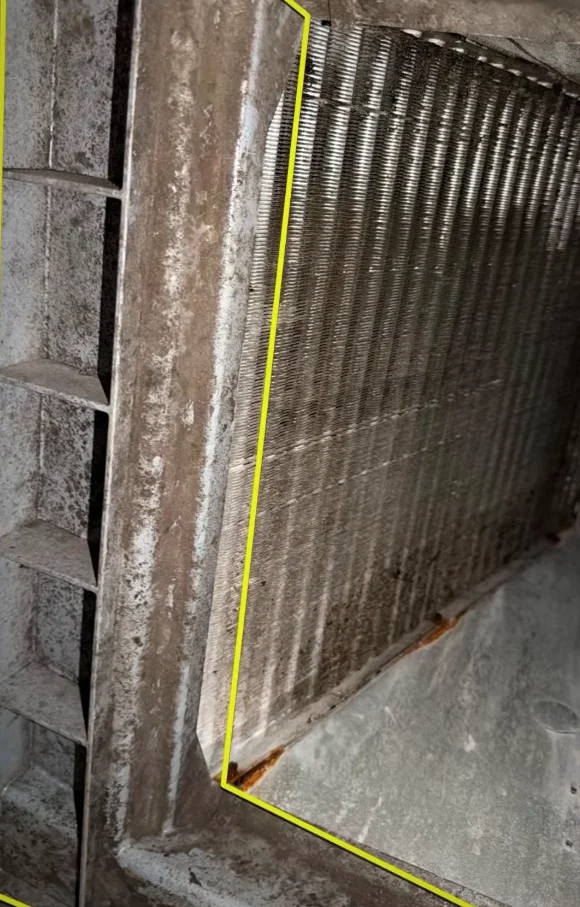
The mechanics: your AC unit removes humidity from indoor air, collecting moisture on the evaporator coil. That water drips into a drain pan and flows through a condensate line to a floor drain or outside. Two things cause this system to fail in Florida:
When the drain pan overflows in an attic-mounted air handler — which is standard in most Orlando homes — the water typically falls into the ceiling cavity below, saturating insulation and drywall from the inside out. You see nothing until the drywall softens or a stain appears. By then, mold has been growing for days.
🌡️ The Florida AC Math
Signs You Have AC Condensate Water Damage in Your Orlando Home
Drywall below the air handler or ductwork has absorbed moisture
Often appear slowly as a growing ring or irregular shape
Mold in the ceiling cavity circulating through your HVAC system
Blocked drain can cause the unit to short-cycle or operate inefficiently
Active overflow — the pan is full. Emergency situation.
Mold spores being circulated through HVAC ductwork
Important: If you see water dripping from an AC vent or ceiling, shut off your AC immediately — running it continues the overflow. Then call DryGuard at (407) 250-7641. Do not run your AC until the drain line is cleared and the ceiling damage is fully dried.
Does homeowners insurance cover AC condensate water damage in Florida?
Coverage depends on whether the insurer classifies the event as "sudden and accidental" vs. "gradual." A failed float switch that caused a one-time overflow event is typically classified as sudden — and covered. A drain line that has been slowly dripping for months due to deferred maintenance may be classified as gradual and excluded. DryGuard's documentation specifically notes the failure mechanism (float switch failure, sudden algae blockage) in language that supports sudden-event classification. Most Orlando homeowners receive coverage when the event is properly documented from the start.
How do I prevent AC condensate water damage in Orlando?
Quarterly HVAC maintenance that includes condensate drain line flushing with a diluted vinegar or bleach solution prevents most algae-related blockages. Install a condensate drain pan alarm (under $20) that alerts you when the pan is filling. Verify your float switch is functional during each HVAC tune-up. Replace the switch every 3–5 years — it's a $15 part that prevents $3,000 in damage. DryGuard recommends twice-yearly HVAC preventive maintenance for Orlando homeowners given the year-round AC operation.
AC Condensate Water Damage: The Silent Damage Source in Florida Homes
Florida HVAC systems run 10–11 months per year — far beyond the 4–5 month season typical in northern states. This continuous operation creates conditions that make AC condensate overflow the most underreported water damage source in Central Florida. The damage is silent, slow, and typically well-established before any visible sign appears on a ceiling.
How Condensate Overflow Happens
Your air handler removes moisture from indoor air as it cools. That moisture drips into a condensate pan and drains through a PVC line — typically to an exterior wall, a floor drain, or the same drain as your HVAC in the garage. In Florida's biological environment, that drain line grows algae and debris within 12–24 months without maintenance. When the line blocks, the condensate pan fills and overflows — directly above your ceiling drywall.
The pan overflow is typically measured in tablespoons per hour — slow enough that you will not hear it, not feel it, and not see it for days or weeks. By the time a stain appears on your ceiling below the air handler, the drywall above has been wet for an average of 5–14 days in cases DryGuard has handled in Orlando.
The 5-14 Day Hidden Damage Window
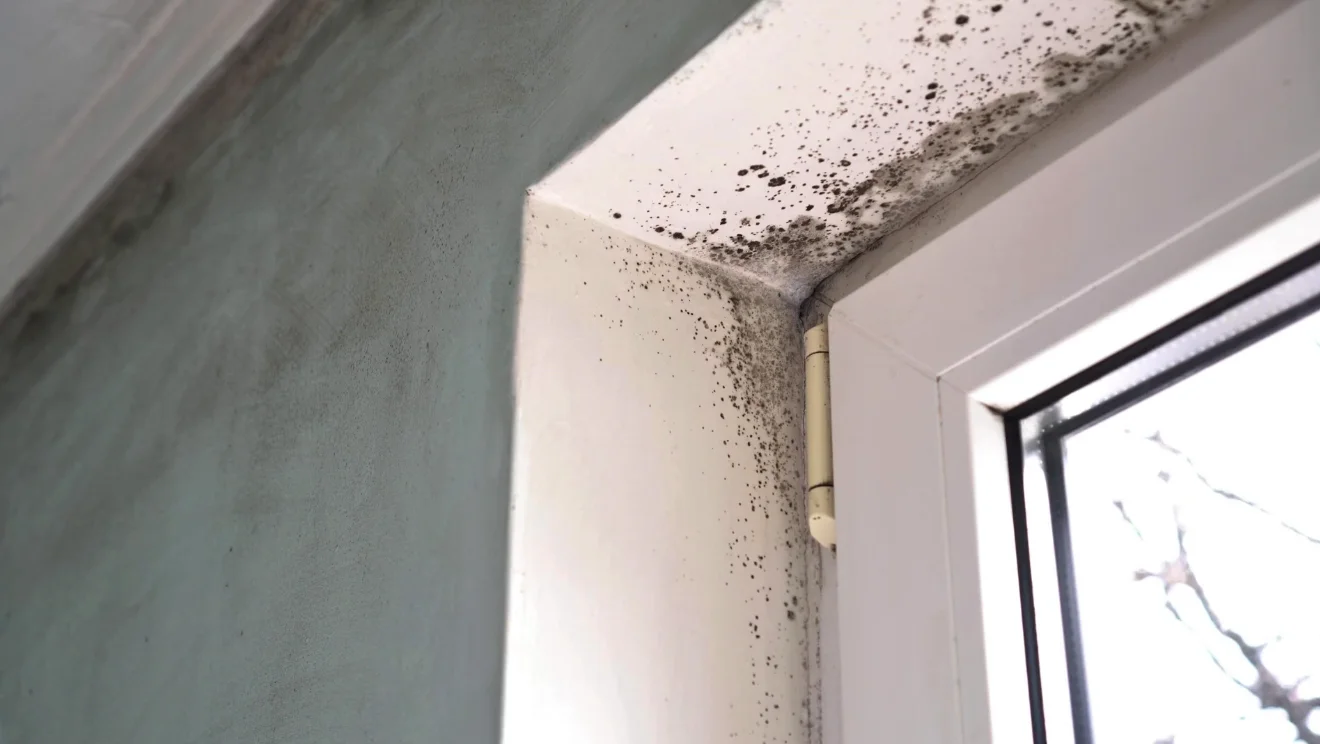
In Orlando's 74–77% humidity, mold establishes on wet drywall within 24 hours. By the time your ceiling stain appears — typically day 5–14 of overflow — mold colonies are already present in the ceiling cavity above the stain, in the insulation, and potentially on the attic floor insulation beneath the air handler itself.
This is why AC condensate events almost always require mold remediation as part of the restoration scope — not as an exception, but as the standard outcome when the damage is not caught immediately. The restoration timeline and cost are driven more by how long the overflow ran than by how much water ultimately came through.
→ Licensed mold remediation — FL License #MRSR3847Is AC Condensate Water Damage Covered by Homeowners Insurance in Florida?
This is the most common question DryGuard receives on AC condensate jobs — and the answer depends on timing and documentation.
Likely Covered: Sudden and Accidental
A condensate line that blocks suddenly due to a specific identifiable event — pest nest, construction debris, sudden freeze — and overflows quickly is typically classified as sudden and accidental, which is a covered loss under most Florida HO-3 policies.
Disputed: Gradual Accumulation
When an adjuster can establish that the condensate line was slowly restricting over weeks or months — evidenced by extended damage, significant mold growth, and no identifiable sudden event — insurers may classify the loss as gradual deterioration and deny the claim.
DryGuard's documentation strategy: We document the condensate drain line condition, the overflow mechanism, and the moisture pattern on arrival. Our cause-of-loss narrative establishes the specific event point where overflow began rather than allowing the insurer to characterize the damage as chronic gradual seepage. This documentation is the difference between a covered and denied AC condensate claim.
Preventing AC Condensate Water Damage in Your Orlando Home
The best condensate water damage event is the one that never happens. These prevention steps are simple, inexpensive, and effective in Florida's climate:
Annual drain line flush
Pour 1 cup of white vinegar into the condensate drain line access point every 6 months. This prevents algae accumulation and costs nothing. Schedule it with your AC tune-up.
Install a float switch
A condensate float switch cuts power to the air handler when the drain pan fills, preventing overflow before it reaches your ceiling. Cost: $30–$80 installed. Worth every penny in Florida.
Secondary drain pan inspection
Attic air handlers should have a secondary emergency drain pan beneath the primary. Inspect it every 6 months — any standing water in the secondary pan means your primary line is blocked.
Know your air handler location
Know which ceiling area sits directly below your air handler. A periodic visual check of that ceiling area — looking for any discoloration or soft spots — is the earliest warning system available.
AC Leak Discovered? Time Is the Variable You Control.
In Orlando's 74–77% humidity, a ceiling soaked by an AC overflow is already growing mold within 24 hours. Thermal imaging finds the full moisture extent. Written estimate before work starts.