Sewage Backup Cleanup Orlando, FL | Category 3 Biohazard Protocol
Sewage backup is the most dangerous type of water damage. Category 3 water contains bacteria, pathogens, and viruses. Every porous material in contact must be physically removed; no exceptions. Your family's health depends on doing this correctly.
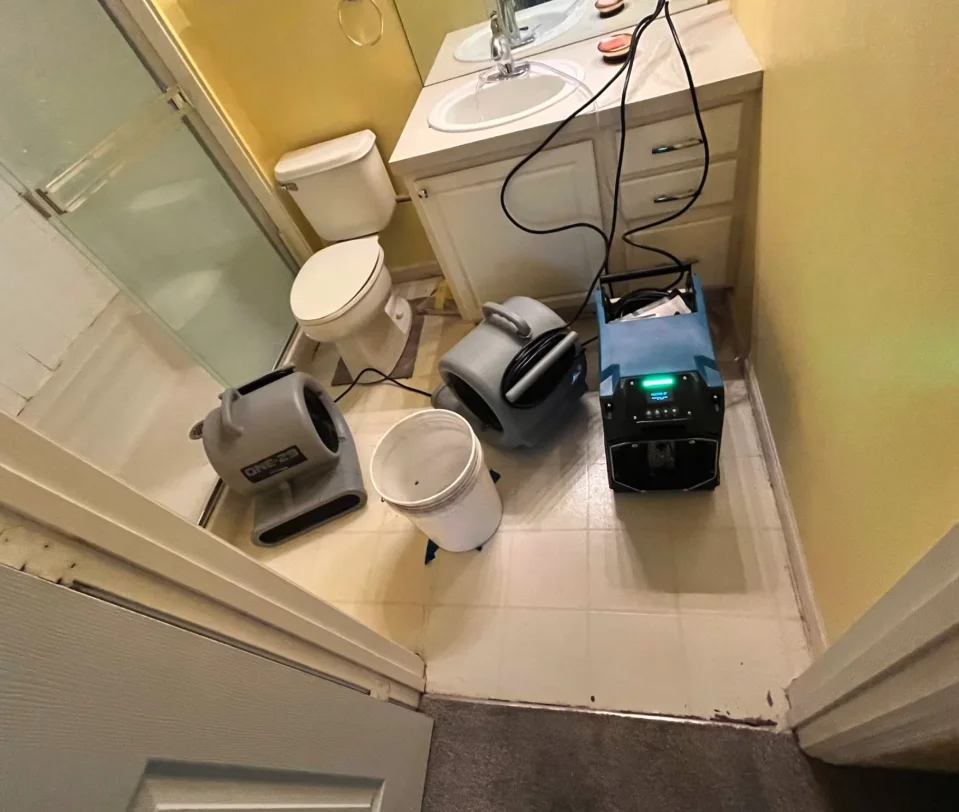
Why Sewage Water Damage Requires a Completely Different Response Than a Burst Pipe
Water damage comes in different forms. Category 1, caused by clean water from a burst pipe, is primarily a drying issue. It requires drying and not much else. Category 3 is a more complex problem. It involves sewage, black water, and outside flooding, and poses a biohazard.
Category 3 water can contain fecal bacteria, E. coli, Hepatitis A, and other pathogens. These can cause harm even if you just touch it, swallow it, or breathe it in. In Orlando's warm climate, these pathogens multiply quickly. Exposure can cause stomach problems or respiratory infections. For kids, older adults, or people with a weak immune system, the risk is higher.
Never attempt DIY sewage cleanup. It's not safe with just a shop vac and rubber gloves to protect you from Category 3 pathogens. Trained workers must wear full protective gear. This includes Tyvek suits, respirators, and nitrile gloves. They use the right sanitizing products. They also dispose of biohazardous materials correctly.
The Non-Negotiable Rule: All Porous Materials Must Be Removed
Anything porous that touched sewage water can't just be cleaned. It has to be physically removed and thrown out as biohazard waste. This includes carpet and padding. It also includes drywall up to 12 to 18 inches above the waterline. Insulation, wood baseboards, and particleboard cabinets are included. Any porous materials that soaked up contaminated water are included too.
This isn't something we cut corners on to save money. It's the actual standard, set by IICRC S500 and the Florida Department of Health. If a contractor says you can just "dry in place" sewage-soaked drywall, they might be wrong. Treating it with antimicrobials won't fix the problem. They're either inexperienced or dishonest.
How DryGuard Handles Sewage Cleanup in Orlando
-
1
Full PPE for all crew members: Tyvek suit, respirator, nitrile gloves, boot covers. Non-negotiable for every team member entering the contamination zone.
-
2
Containment barrier setup: We place plastic sheeting over the sewage-affected area. This keeps it separate from the rest of your home. This blocks access to the clean rooms and stops the contamination from spreading.
-
3
Contaminated water removal: Industrial extractors are used to remove standing sewage. The wastewater goes through a sanitary sewer system that meets the required regulations.
-
4
All porous materials removed: Drywall, flooring, insulation, baseboards, cabinets in direct water contact. Bagged in biohazard bags and disposed of as biohazardous waste.
-
5
EPA-registered sanitization: All remaining hard surfaces treated with hospital-grade, EPA-registered antimicrobial agents. Multiple applications with dwell time as specified by product protocol.
-
6
HEPA air filtration during all work: Air scrubbers capture aerosolized pathogens that come from workers' activities. They operate continuously, both during material removal and afterward.
-
7
Structural drying + documentation: Once the area is decontaminated, structural drying can begin. Most Florida insurance carriers need detailed biohazard disposal records for Category 3 claims.
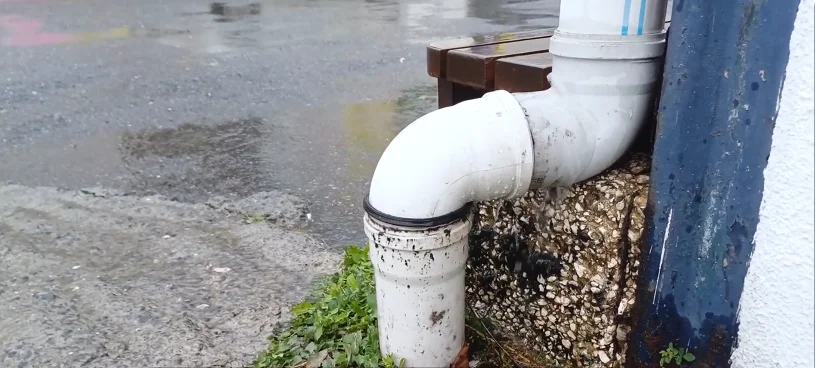
⚠️ Does Insurance Cover Sewage Backup?
Standard HO-3 policies do NOT automatically cover sewage backup. Coverage requires a separate sewer backup endorsement, which must be purchased before the event. The cost is typically $40–$80 per year — far less than the average $7,000–$25,000 sewage backup restoration. Check your policy declarations page for "water backup and sump overflow" coverage. If you don't have it, add it at your next renewal.
Sewage Backup in Orlando? This Is an Emergency.
Category 3 biohazard requires immediate professional help. Don't try to clean it yourself. Our trained crews wear full personal protective gear. They also carry the right tools for safe disposal. We are available around the clock.
Sewage Cleanup in Orlando: Why Category 3 Water is Different from Everything Else
Category 3 black water — sewage, outdoor flooding that has mixed with sewage, and standing water left more than 48 hours in Central Florida heat — is a biohazard. It is not cleaned. It is remediated. The distinction matters legally, financially, and for your family's health.
What Is in Sewage Backup Water?
Sewage water contains fecal coliform bacteria, E. coli, Salmonella, Hepatitis A virus, Rotavirus, and parasitic organisms including Giardia and Cryptosporidium. These pathogens survive in moist environments for days to weeks. You cannot disinfect what you cannot dry — and in Orlando's humidity, drying without professional equipment is not possible.
Florida Law Requires Licensed Remediation for Sewage Events
Under Florida Statute §468.8411, mold remediation — including the mold that grows from sewage backup — must be performed by a licensed mold remediator. DryGuard holds FL Mold Remediator License #MRSR3847. Unlicensed sewage cleanup may expose you to liability if future buyers or tenants discover undisclosed contamination.
Category 3 rule: All porous materials that contacted sewage water must be removed and discarded. No exceptions. Drywall, insulation, carpet, carpet padding, and wood framing that absorbed sewage cannot be sanitized — they must be removed. Attempting to clean and keep these materials is a health risk.
Sewage Backup Cost in Orlando (2026)
Minor backup — one fixture, caught quickly: $2,500–$5,000
Moderate — multiple areas affected: $5,000–$12,000
Major — widespread contamination: $12,000–$35,000+
DryGuard's Sewage Backup Remediation Process — Orlando FL
Our licensed crew follows Florida-compliant Cat 3 biohazard protocol on every sewage job. Here's exactly what happens from our arrival through final clearance.
Full PPE Entry & Containment
Crew enters in full Tyvek suits, N95 respirators, and nitrile gloves. Contaminated area is contained with plastic sheeting and negative air pressure to prevent cross-contamination to clean areas.
Sewage Extraction
Standing sewage is extracted using truck-mounted units with biohazard containment. Contents are disposed of per Florida EPA guidelines — never into storm drains.
Porous Material Removal
All drywall, insulation, carpet, padding, and contaminated wood framing within the contamination zone is removed and bagged in biohazard packaging per state regulations.
EPA-Registered Antimicrobial Treatment
All non-porous surfaces are treated with EPA-registered antimicrobials proven effective against sewage pathogens. Treatment is applied twice with documented dwell times.
HEPA Air Scrubbing
HEPA air scrubbers run continuously during remediation to capture airborne biological particles. In Orlando's HVAC-dependent climate, duct contamination is assessed and addressed if necessary.
Post-Remediation Verification
Surface testing confirms pathogen levels are within acceptable thresholds before containment is removed. Documentation provided for your insurance claim and property records.
Sewage Backup FAQ — Orlando Homeowners
Does homeowners insurance cover sewage backup in Florida?
Standard HO-3 policies typically do NOT cover sewer backup — it requires a separate sewer backup endorsement, usually $5–$15/year in Florida. If you have this endorsement, sewage backup is covered up to the endorsement limit (typically $5,000–$25,000). Sewage that enters from a city main backup during a storm may be covered differently. Check your declarations page for "water backup" or "sewer backup" endorsement before you need it.
Is it safe to stay home during sewage backup cleanup?
No. Vacate the contaminated area immediately and do not return until remediation is complete and post-remediation testing confirms clearance. Category 3 sewage water contains pathogens that cause serious illness through skin contact, inhalation of aerosols, and accidental ingestion. Children, elderly, and immunocompromised individuals face the greatest risk.
How long does sewage cleanup take in Orlando?
Active remediation (extraction, material removal, antimicrobial treatment): 1–3 days depending on scope. Structural drying after material removal: 3–5 additional days. Full reconstruction: 1–2 weeks after verified dry. Total from call to completion: 2–4 weeks for a typical residential sewage backup.
Sewage Backup in Your Orlando Home? This Is a Biohazard Emergency.
Category 3 sewage water requires licensed, full-PPE remediation — not a mop and bleach. DryGuard's licensed crew is available 24/7 across all of Orlando and Orange County.
FL Mold Remediator License #MRSR3847 · Full biohazard PPE · Insurance documentation from arrival