Flood Damage Restoration Orlando, FL
Floodwater in Central Florida is Category 3 contamination, not just standing water. Our IICRC-certified crews follow the biohazard protocol. They prepare the NFIP documents the adjuster needs for payment and the HO-3 documents.
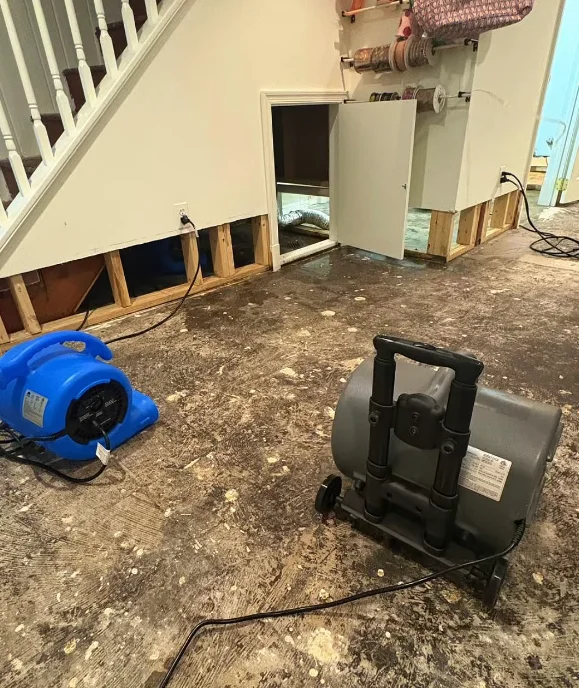
Flood Damage vs. Water Damage in Florida: The $40,000 Distinction
If water floods a home in Orlando, first find out where it came from. Was it from outside: rain, a broken pipe, or from inside? The source determines which insurance policy covers the damage. Claims can exceed $40,000.
✅ Homeowners Insurance (HO-3) Covers:
- Wind-driven rain through storm-damaged roofs or walls
- Plumbing failures and burst pipes
- Appliance overflow
- AC condensate overflow
❌ Requires NFIP Flood Insurance:
- Storm surge
- River or lake overflow
- Ground surface water accumulation
- Flooding from outside drainage
After a hurricane hits Central Florida, a lot of homeowners get hit with a second surprise. They find out their policy doesn't cover flooding. Or their adjuster calls the damage "flood" when it was really wind-driven rain and denies the claim. We see this happen more than you'd think, and it's frustrating because these are two different things under the law. That difference can decide whether your claim gets paid or not. That's why we always document exactly where the water got in. It gives you real proof to show your adjuster.
What should I do first after flooding in my Orlando home?
First, stay out of standing water if the power might still be on. Go turn off the power at your main breaker before you do anything else. Second, don't walk through the floodwater. It's dirty water, full of sewage, bacteria, and other outdoor waste. Third, take photos and videos of everything before you clean up. Fourth, call us at (407) 250-7641. This kind of flooding needs trained help, not a DIY cleanup. Fifth, file your flood insurance claim right away. After a big storm, claims pile up fast, and the ones filed early get handled first.
How long does flood damage restoration take in Orlando?
Most jobs take one to three weeks just to clean up, dry out, and document everything. After that, rebuilding takes another two to eight weeks. Floodwater that is dirty slows work. We must clear damaged material before drying. The process takes an additional 3 to 5 days. After storms Ian (2022) and Milton (2024), Orlando rebuilds took 3 to 6 months. They needed help at the same time.
Does Orlando have flood insurance requirements?
If your home sits in a flood zone marked by FEMA, your lender will require flood insurance. About 22% of homes in Orlando fall into one of these zones. Even if yours doesn't, you can still choose to buy flood insurance. With how our storms have been lately, it's worth thinking about no matter where you live in Orange County. Just remember the limits: $250,000 for your home and $100,000 for your things inside.
Our Flood Insurance Documentation Package
NFIP adjusters have specific documentation requirements that differ from standard HO-3 claims. Getting this right from the start prevents delays and disputes.
📸 Entry Point Documentation
Photographs and written descriptions show where and how floodwater entered the building. These details are needed for proper claim classification.
📏 High Water Mark Documentation
We measured the deepest water inside the structure and took a photo. The data show how much material must be removed.
📋 Itemized Material Removal Log
List each removed material on its own line. Record the quantity and unit cost for each item, following the NFIP format.
🧪 Contamination Classification
Write a Category 3 water classification and explain it. This is needed for the complete biohazard protocol in NFIP claims.
📊 Daily Moisture Logs
Calibrated meter readings are taken at every measurement point. Each reading is dated and time-stamped. The readings provide the structural drying evidence needed by the adjuster.
🏗️ Preliminary Scope for Rebuild
The itemized reconstruction plan is ready for NFIP adjuster approval before work starts.
Flood Damage in Orlando? We Handle Both the Cleanup and the Claim.
IICRC-certified Category 3 protocol, NFIP-formatted documentation, and experience through Ian and Milton. Call now; Category 3 flooding requires an immediate professional response.
→ Hurricane or storm flooding? See our Hurricane Water Damage Response page
Flood Damage Restoration Orlando: What Central Florida Flooding Actually Looks Like
Orlando flood damage is not the same as coastal flooding. Central Florida has three distinct flooding types — and each requires a different restoration approach.
Type 1: Stormwater Infiltration
Heavy rain exceeds drainage capacity. Water enters through door thresholds, window wells, and low foundation points. Most common in older neighborhoods: College Park, Colonialtown, Holden Heights. Category 1 to 2 water. Drying time: 3–5 days.
Type 2: Lake and Retention Pond Overflow
Lake County, Windermere, and east Orange County neighborhoods near the Chain of Lakes and retention ponds are vulnerable during extended rain events. Water contains biological contamination from lake vegetation — Category 2 to 3. Full biohazard protocol applies.
Type 3: Hurricane Storm Surge & Wind-Driven Rain
Charley (2004), Ian (2022), and Milton (2024) each caused distinct damage patterns across Orange County. Wind-driven rain entering through breached roofs is Category 1 and covered under homeowners insurance. Groundwater rising from outside is flood damage requiring NFIP coverage. Misclassification costs thousands.
What Makes Flood Damage Restoration in Orlando Different
National restoration franchises underestimate two things specific to Central Florida: the speed of mold onset and the complexity of Florida's flood zone rules.
Mold Grows Faster Here Than Anywhere Else in the Continental US
With year-round humidity at 74–77%, flood water that sits for 12 hours in an Orlando home creates ideal mold germination conditions. In Phoenix, the same flood might sit for 48 hours with zero mold risk. In Orlando, your first 24 hours determine whether you have a drying job or a combined drying-plus-mold-remediation job.
FEMA Flood Zones Affect How You Can Rebuild
Approximately 22% of Orlando properties are in FEMA-designated flood zones AE, AH, or VE. If your home is in one of these zones and restoration costs exceed 50% of pre-damage market value, the Substantial Damage Rule requires bringing the entire structure up to current flood code before reconstruction — potentially requiring foundation elevation at $50,000–$150,000+. We identify this before work begins, not after.
→ Learn more about Florida's 50% RuleOrlando flood damage pricing (2026 market rates):
Minor stormwater infiltration (caught same day): $1,200–$2,800
Moderate flood with flooring damage: $3,000–$7,000
Major flooding with mold involvement: $7,000–$25,000+
Hurricane wind-driven rain + roof breach: $5,000–$18,000
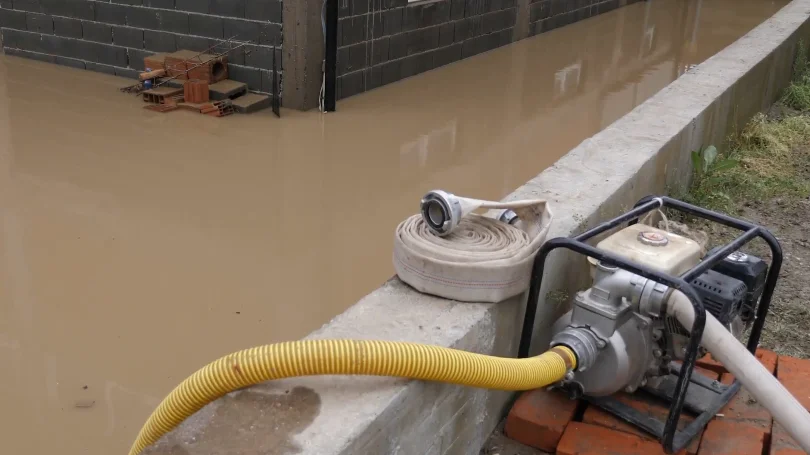
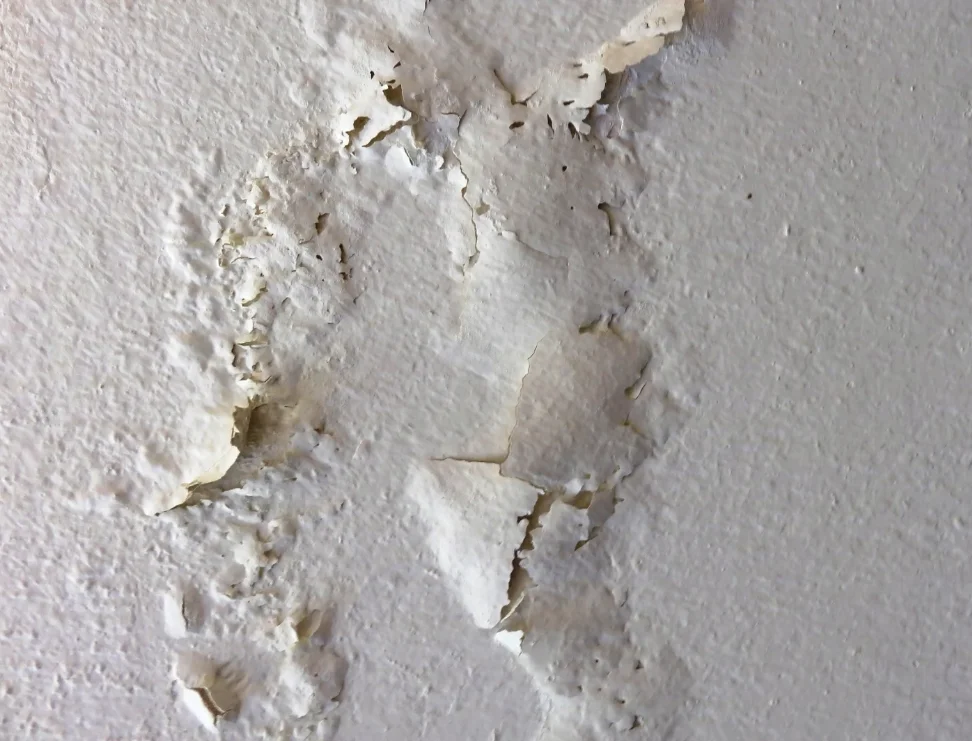
Orlando Flood Damage: Neighborhoods at Highest Risk
Understanding your area's flood profile helps you respond faster — and helps us arrive with the right equipment.
College Park / Edgewater
Pier-and-beam homes near Lake Ivanhoe and Lake Adair. Crawlspace flooding common during sustained rain. Original drainage infrastructure from 1940s–1960s frequently overwhelmed.
→ College Park water damageWindermere / Dr. Phillips
Butler Chain of Lakes proximity means serious lakeside flood exposure in heavy rain seasons. Many properties in FEMA Zone AH. Luxury homes with high-value finishes require specialty restoration techniques.
→ Windermere water damageKissimmee / Osceola County
Lake Toho drainage basin and vacation rental density create a different risk profile. Vacation homes with extended vacancy periods are especially vulnerable — damage may go undetected for days.
→ Kissimmee water damageEast Orlando / Lake Nona
New construction retention ponds designed for 25-year rain events, not 100-year events like what Hurricane Ian produced. Post-2000 slab construction limits crawlspace exposure but increases storm intrusion risk through windows and doors.
→ Lake Nona water damageFlood Damage Restoration FAQ — Orlando
What is the difference between flood damage and water damage insurance in Florida?
Standard HO-3 homeowners insurance covers sudden water damage from internal sources (burst pipes, appliance failures, wind-driven rain through a breached roof). It does not cover rising water entering from outside — that requires separate NFIP or private flood insurance. This distinction matters enormously after hurricanes: wind-driven rain through a storm-damaged roof is covered by homeowners insurance; stormwater flowing in under the door is flood damage. Many claims are wrongly denied as "flood" when they should be covered under standard homeowners.
How long does flood damage restoration take in Orlando?
Drying: 3–5 days for clean water flooding, 5–7 days for gray or black water events (more materials require removal). Full restoration including reconstruction: 1–3 weeks depending on scope. Orlando's humidity extends drying time 15–25% compared to drier climate estimates, which is why we set our equipment targets lower than national standards.
Is it safe to stay in my home during flood restoration?
For Category 1 clean water flooding: typically yes, if the affected area is isolated. For Category 2 (gray water with biological contamination) or Category 3 (sewage or outdoor flooding): no, relocate until testing confirms the area is safe. Outdoor flooding and retention pond overflow are Category 2–3 regardless of appearance — they contain bacteria and organic material that pose real health risks to residents, especially children and elderly.
Flood Damage in Your Orlando Home? We're Available Right Now.
IICRC-certified flood damage restoration crews serving all of Orange County, 24/7/365. Written estimate before any work begins. Insurance documentation from hour one.