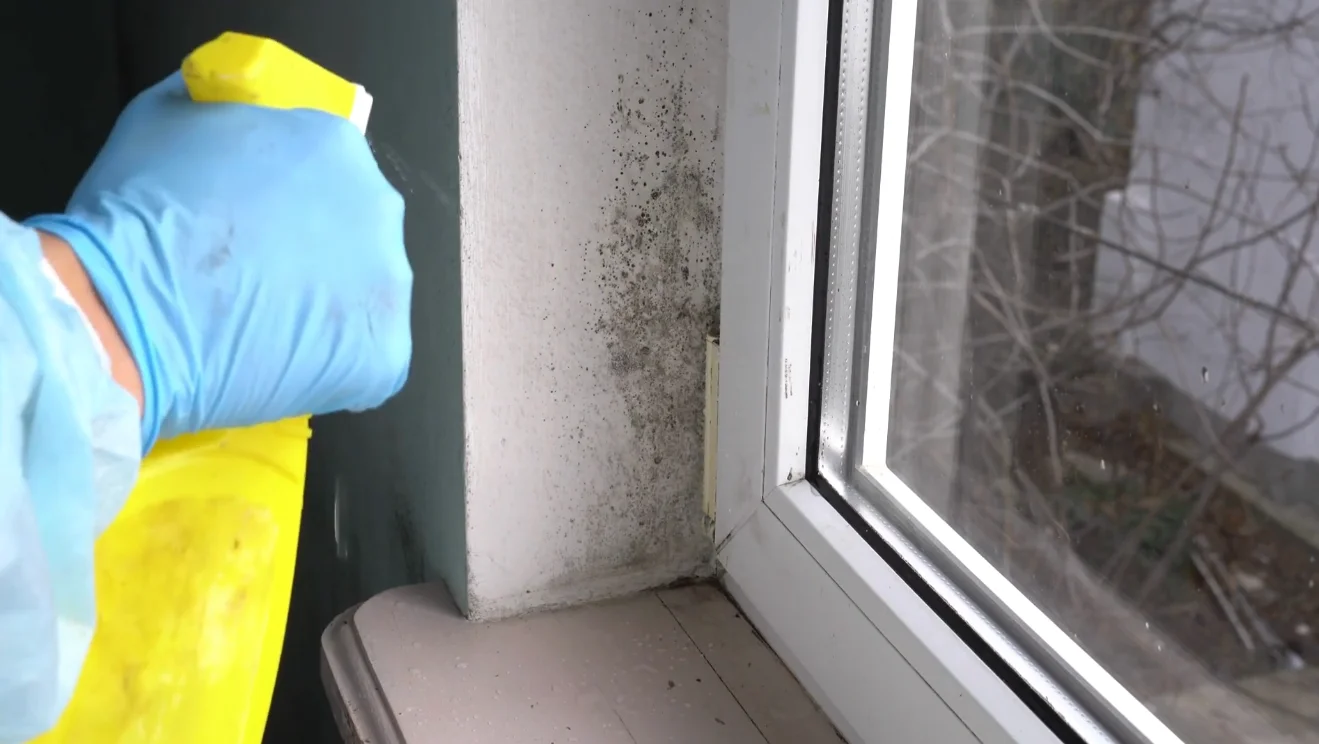
When DryGuard Restoration responds to a water damage call in Orlando, mold is always part of the conversation — not because we're trying to upsell, but because Orlando's heat and humidity make mold growth after water damage almost automatic. Understanding why it grows so fast, and what's required to remove it properly, helps you make faster, better decisions when time is working against you.
Why Orlando Homes Get Mold Within 24–48 Hours of Water Damage
Mold spores are already present in virtually every indoor environment. They float in the air constantly, waiting for two things: a food source (paper drywall facing, wood framing, organic debris in carpet) and sufficient moisture. In most climates, it takes 48–72 hours for those conditions to align after water damage. In Orlando, that window is shorter.
Central Florida's average outdoor relative humidity runs between 74% and 77%, with indoor humidity often above 60% even in air-conditioned homes — especially during summer. That baseline moisture level means that after a leak or flood, the air itself is already primed for microbial growth. Combine that with temperatures in the 80s for most of the year and you have near-ideal conditions for mold spore germination.
The IICRC S500 Standard for Professional Water Damage Restoration recognizes this reality: remediation professionals classify water damage by both contamination category and how long the structure has been wet. A Category 1 water loss (clean water) that sits for 48–72 hours in a hot, humid environment begins to shift toward Category 2 or Category 3 conditions because of microbial growth — even if the original water source was clean.
The implication for Orlando homeowners is straightforward: a two-day delay in responding to a burst pipe is not a minor inconvenience. It can mean the difference between a water damage job and a water damage plus mold remediation job.
The Difference Between Visible Mold and Hidden Mold After a Flood
Many homeowners only call for mold assessment when they see discoloration on a wall or smell something musty. By that point, the mold they can see is usually not the biggest problem.
What Visible Mold Looks Like
The most common mold species found in Florida homes after water damage include:
- Cladosporium: Olive-green to black, powdery appearance. Very common on porous materials, often the first species visible on drywall and wood within 2–3 days of water damage.
- Aspergillus: Green, white, or yellow-green, fuzzy colonies. Found on a wide range of building materials and food products. Certain species produce mycotoxins and are associated with respiratory issues in sensitive individuals.
- Penicillium: Blue-green, often found on water-damaged insulation, carpet, and wallboard. Closely related to Aspergillus and can also produce mycotoxins.
- Stachybotrys chartarum: Dark greenish-black, slimy texture. The species most commonly called "black mold." Requires sustained, prolonged moisture (not just a single water event) and typically appears on cellulose-rich materials like gypsum drywall, ceiling tiles, and paper products. Produces mycotoxins associated with serious health effects including respiratory damage and neurological symptoms with prolonged exposure.
Where Hidden Mold Lives
Hidden mold after water damage is found:
- Inside wall cavities — on the back face of drywall, wall insulation, and wood studs
- Under flooring — in the subfloor, OSB, and the underside of floor covering
- Inside HVAC ductwork — where spores spread through the air handling system to every room in the house
- Behind kitchen and bathroom cabinets installed against exterior or wet walls
- In the ceiling cavity after roof leaks or upstairs bathroom overflows
Detecting hidden mold requires more than visual inspection. We use thermal imaging to identify moisture retention in wall and ceiling cavities, and we collect air samples for laboratory analysis to establish whether airborne mold spore counts are elevated above outdoor baseline levels. This air sampling is critical — a wall may look clean and yet show 10x the normal spore count in the air sample taken in front of it.
Florida Law and Mold Remediation: What Homeowners Must Know
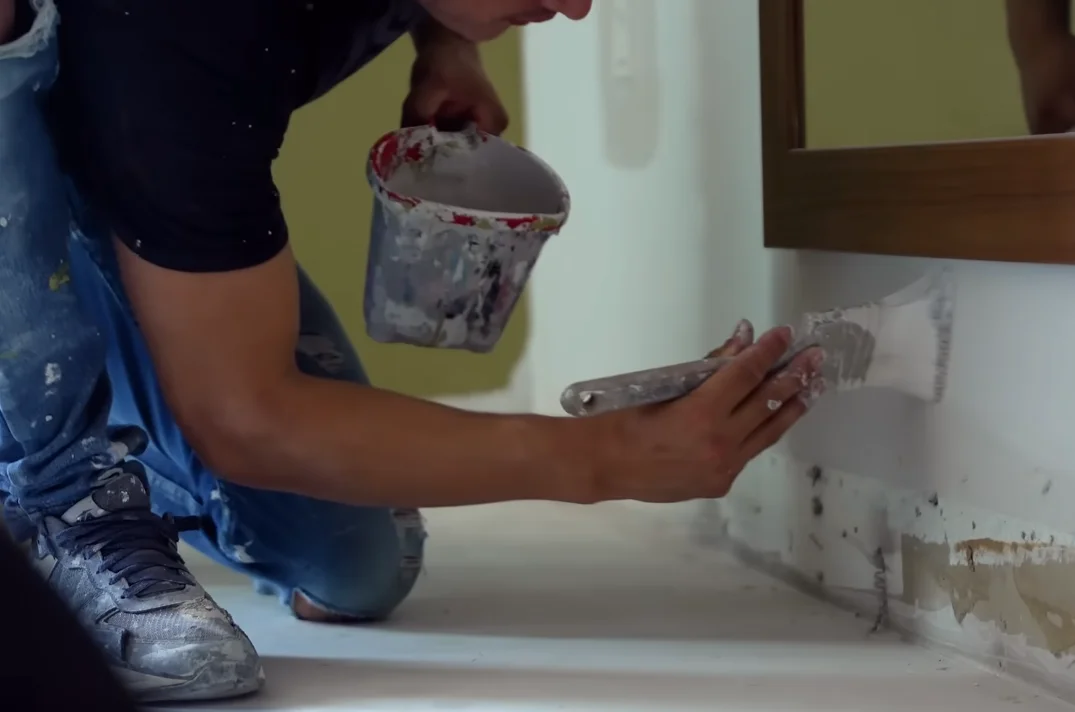
Florida is one of the few states with specific statutory licensing requirements for mold remediation. Under Florida Statute §468.8411, any mold remediation work affecting more than 10 square feet must be performed by a licensed mold remediator. DryGuard holds FL Mold Remediator License #MRSR3847.
This matters for several reasons:
- Legal liability: If you hire an unlicensed contractor for mold remediation in Florida and the mold returns — or causes health problems — you have limited legal recourse against them.
- Insurance claims: Some Florida insurers require documentation that remediation was performed by a licensed contractor before approving a claim payment. An unlicensed job can jeopardize your claim.
- Clearance testing: Florida does not require post-remediation clearance testing by statute, but most reputable remediation companies perform it. A separate, independent industrial hygienist performing clearance air sampling provides an objective verification that the mold problem was resolved — not just cosmetically treated.
The Florida statute also prohibits the same company from performing both mold assessment and mold remediation on the same property — a safeguard designed to prevent conflicts of interest. We remediate; the clearance test is performed by an independent party.
DryGuard's Mold Remediation Process After Water Damage
Mold remediation is not mold cleaning. Wiping down a visible patch with bleach does not kill mold rooted into porous materials, and it does absolutely nothing for airborne spore counts. Here's what professional remediation after water damage actually involves:
1. Containment
Before any remediation begins, the affected area is sealed with polyethylene containment barriers and negative air pressure is established using negative air machines equipped with HEPA filters. Negative pressure means air flows into the containment area — not out — preventing mold spores from migrating to unaffected rooms during disturbance. This is the most important step and the one that DIY attempts almost always skip.
2. HEPA Vacuuming and Surface Removal
Non-salvageable materials — drywall, insulation, carpet, OSB — are removed and bagged per EPA guidelines. Salvageable structural materials are HEPA-vacuumed to remove surface spore deposits. HEPA filtration is critical: standard shop vacs exhaust spores back into the air; a HEPA filter captures particles down to 0.3 microns, which covers the size range of mold spores.
3. EPA-Registered Antimicrobial Treatment
EPA-registered biocides are applied to treated surfaces. We use products that are registered for mold remediation under FIFRA (Federal Insecticide, Fungicide, and Rodenticide Act) — not household cleaners or bleach, which do not provide lasting protection on porous materials and have no residual effect.
4. Drying and Air Scrubbing
If the initial water damage response wasn't completed before mold developed, the underlying moisture must still be addressed. Running air scrubbers with HEPA filtration during and after remediation reduces airborne spore counts continuously. LGR dehumidifiers continue structural drying to prevent mold recurrence.
5. Clearance Testing
An independent industrial hygienist performs post-remediation air sampling. Lab results confirm that indoor spore counts have returned to normal outdoor baseline levels. We do not clear our own jobs — this independence is the homeowner's protection that the work was done correctly.
Does Homeowners Insurance Cover Mold in Florida?
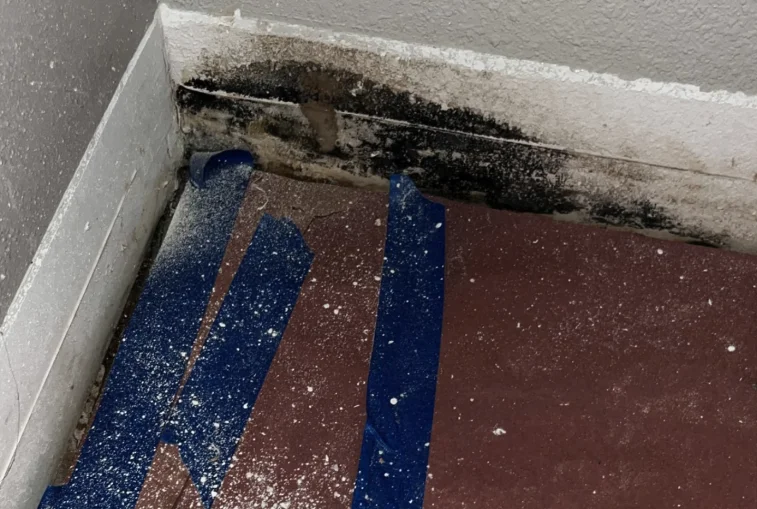
Florida HO-3 homeowners policies do cover mold remediation — but with important conditions and limits.
What Is Typically Covered
Mold that is a direct and proximate result of a covered water damage event is covered under most standard policies. If your pipe bursts, you file a water damage claim promptly, and mold develops in the affected area, the remediation cost is typically part of that claim. The key word is "promptly" — insurers will deny mold coverage if they can demonstrate that the homeowner was aware of the water damage and failed to mitigate it in a timely manner.
Mold Coverage Limits
Many Florida HO-3 policies cap mold coverage at $10,000 unless you purchased a mold endorsement increasing that limit. If the remediation estimate exceeds your policy's mold sublimit, the difference is your responsibility — which is why getting a licensed remediator with full Xactimate documentation is important for maximizing what your insurance pays.
What Is Not Covered
- Mold resulting from gradual leaks or long-term moisture intrusion the homeowner knew about
- Mold from flooding (requires separate NFIP flood coverage)
- Mold from elevated humidity alone with no specific water event
- Pre-existing mold documented before the current policy period
Florida Statute §627.70131 requires your insurer to acknowledge a claim within 14 days and provide a coverage determination within 90 days. If your insurer is slow to respond after a water damage and mold event, that statute is your leverage — document every communication and every deadline.
Smell something musty after recent water damage? Don't wait for it to get worse.
Call DryGuard: (407) 250-7641 Schedule a Mold AssessmentMold After Water Damage Orlando — FAQs
How fast does mold grow after water damage in Orlando Florida?
Mold spores can begin germinating within 24 to 48 hours of water damage in Orlando. Central Florida's average relative humidity of 74–77% and warm temperatures year-round create near-ideal conditions for rapid mold growth. Active colonies can establish in drywall, subfloor, and behind cabinets within 72 hours if professional drying is not deployed. This is faster than in cooler or drier climates — it's one of the defining challenges of water damage restoration in Florida.
What does black mold look like after water damage?
True "black mold" — Stachybotrys chartarum — appears as dark greenish-black, slimy or wet-looking patches. It typically requires sustained, prolonged moisture exposure and grows on cellulose-rich materials like drywall paper, wood, and ceiling tiles. After a flood or burst pipe, you're more likely to first see Cladosporium (olive-green, powdery) or Aspergillus (green or white, fuzzy) within the first 2–3 days. Any mold after water damage should be assessed and remediated by a licensed professional — the species matters less than the fact that mold is growing.
Can I remove mold myself after water damage in Florida?
Florida Statute §468.8411 requires licensed mold remediators for jobs exceeding 10 square feet. Beyond the legal issue, DIY mold removal without proper containment and negative air pressure spreads spores through your HVAC system — turning a contained problem into a whole-house problem. Bleach doesn't penetrate porous materials and has no residual effect. If visible mold after water damage covers more than a small patch, call a licensed remediator.
Does insurance cover mold remediation after water damage in Florida?
Yes, under most Florida HO-3 policies, mold remediation is covered when it's a direct result of a covered water damage event. The main limitation is the mold sublimit — typically $10,000 unless you purchased a higher-limit endorsement. Mold from flooding, gradual leaks, or pre-existing conditions is excluded. Report your claim promptly and request full Xactimate documentation from your restoration company to support the maximum payout.