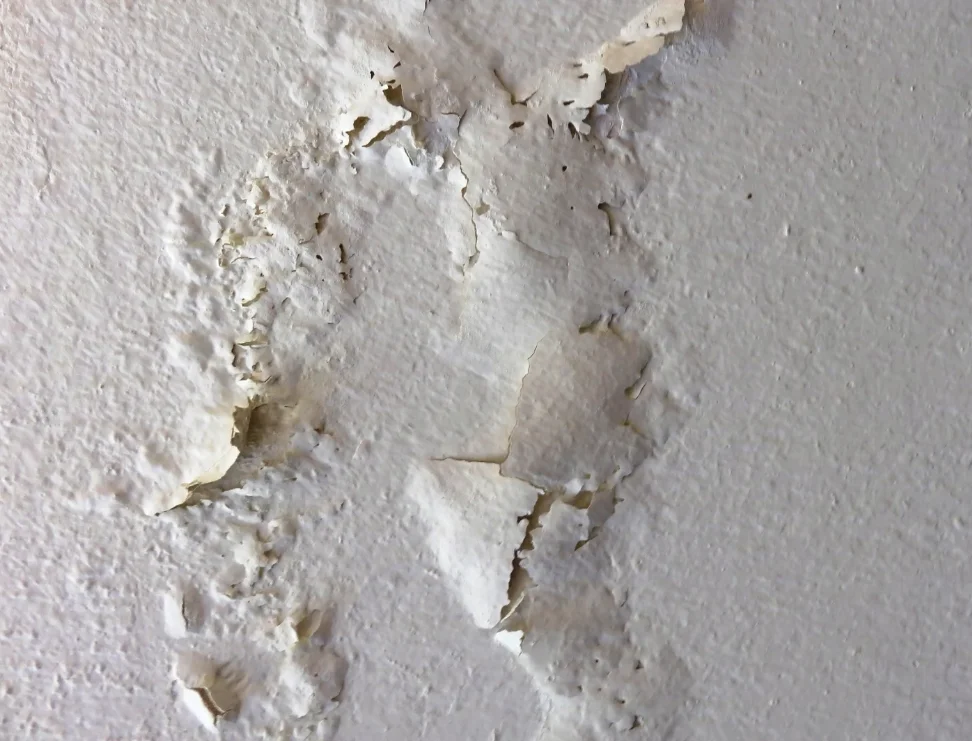
Water damage restoration Washington Shores Orlando
Aging cast-iron pipes and low-lying terrain make 32805 one of West Orlando's highest-risk ZIP codes for interior flooding. DryGuard Restoration reaches Washington Shores in about 12 minutes — we extract, dry, and document before your insurer's 14-day clock runs out.
Why Washington Shores homes flood — and why they stay wet
Washington Shores was developed between the 1950s and early 1970s as one of Orlando's first majority-Black neighborhoods west of downtown. That history matters for water damage in a very practical way: the housing stock was built in an era before modern plumbing codes, and much of it has never been replumbed. Combine that with the neighborhood's position in the low-lying drainage corridor between W Colonial Dr and the lake system to the north, and you have a recipe for recurring water events.
Cast-iron and galvanized pipe failure
Homes built before 1975 typically used cast-iron drain stacks and galvanized steel supply lines. Both corrode from the inside out over decades. A pinhole in a supply line behind a concrete block wall can leak for weeks at Category 1 water before it migrates to Category 2 and begins damaging structural framing. Pin and pinless moisture meters catch this damage well before it becomes visible to the eye.
Storm drain surcharging on W Colonial Dr
The W Colonial Drive corridor sits at a low point in the basin. During Orlando's summer storm season — when 2–3 inch rain events are common — the municipal storm drain network backs up and pushes Category 3 water (sewage-contaminated) into garages and ground-level units along the corridor. This is not covered by a standard HO-3 policy; it requires a separate NFIP or sewer-backup rider.
Concrete block moisture retention
Unlike wood-frame construction, concrete masonry units (CMUs) absorb and hold moisture at a slow, steady rate. A wet CMU wall will register elevated moisture readings for days after the visible water is gone. Without psychrometric monitoring and LGR dehumidifiers pulling down the room's relative humidity to below 50%, that trapped moisture feeds mold colonies that are already established within 24 to 48 hours in Florida's ambient RH of 74–77%.
Deferred maintenance in rental properties
A large portion of Washington Shores housing stock is renter-occupied. Maintenance requests for slow leaks or dripping fixtures often go unaddressed for months. By the time a tenant reports standing water, what began as a Category 1 supply-line drip has usually progressed to a Category 2 event with contaminated water wicking into flooring and wall cavities. IICRC S500 protocols classify this correctly so your insurer cannot dispute the scope of work.
How we assess water damage in a 32805 concrete block home
Washington Shores sits entirely within ZIP 32805, which FEMA flood maps designate partly in Zone AE and Zone X depending on proximity to the Lake Ivanhoe drainage basin. Homes closer to W Washington St and the drainage channels face higher annual-chance flooding risk than those further south. If you are not sure of your property's flood zone, we can cross-reference your address against the NFIP flood map during our free assessment.
When our IICRC WRT technician arrives, the first step is always moisture mapping. We use both pin-type and pinless moisture meters to establish readings on every wall, floor, and ceiling in the affected area — and then in rooms adjacent to it, because concrete block transmits moisture laterally in ways that drywall construction does not. Thermal imaging with an infrared camera reveals hidden pockets of saturation that surface inspection misses entirely, particularly inside CMU block cores and beneath terrazzo or ceramic tile floors, both common in this era of construction.
Water extraction uses truck-mounted equipment capable of removing hundreds of gallons per hour. Once the standing water is gone, we place LGR dehumidifiers — Low Grain Refrigerant units that outperform conventional dehumidifiers in Florida's already-humid ambient air — along with commercial air movers at calculated intervals per the IICRC S500 standard. Psychrometric readings are logged at each check-in visit so your insurance adjuster has a clear drying record, not just your word that the job is done.
Because Marcus D. Rivera holds FL Mold Remediator License #MRSR3847, a preliminary mold assessment can happen on the same visit rather than requiring a separate contractor. If mold is present, remediation follows Florida Statute §468.8411 licensing requirements — something many general contractors cannot legally perform.
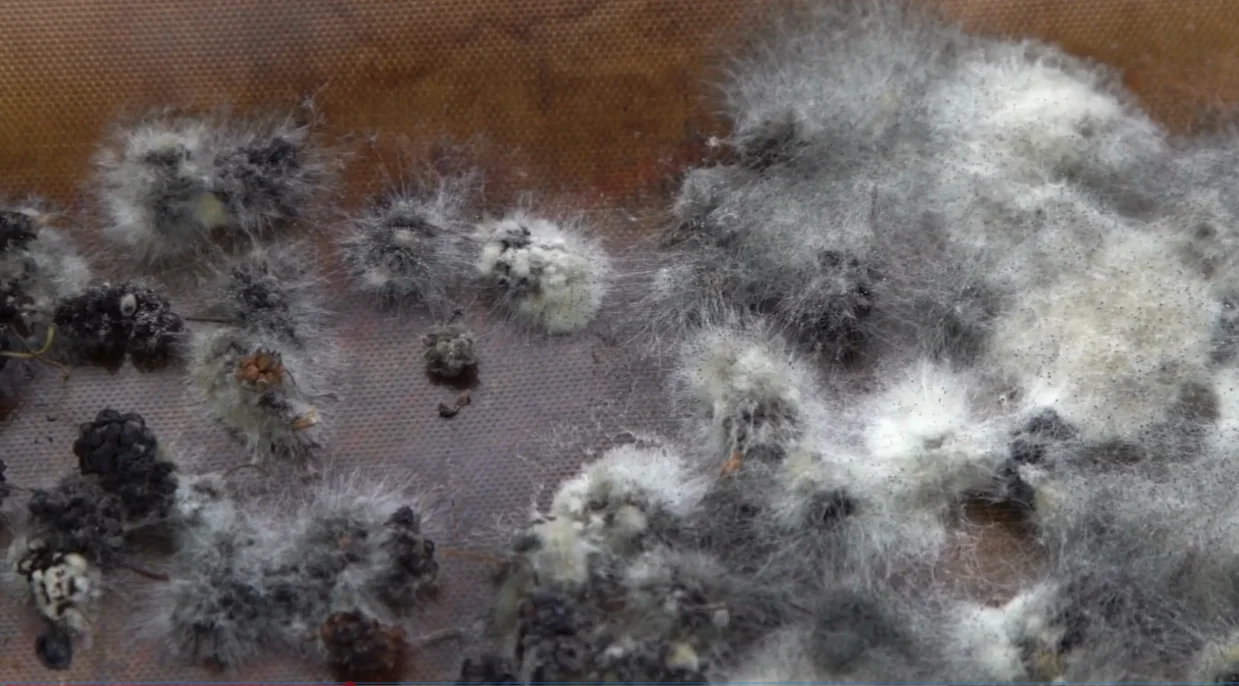
Washington Shores water damage — frequently asked questions
Does HO-3 homeowners insurance cover water damage in Washington Shores 32805?
An HO-3 policy covers sudden, accidental water damage from an internal source — a burst pipe, a failed water heater, an overflowing appliance — whether you own or are the landlord of a Washington Shores property. What a standard HO-3 does not cover is flood damage from outside the structure: storm drain surcharging pushing water through your garage floor drain, or the Lake Ivanhoe drainage basin overflowing during a hurricane event. That coverage requires a separate NFIP flood insurance policy through FEMA, or a private flood rider.
Under Florida Statute §627.70131, your insurance company must acknowledge your claim within 14 days and begin investigation within 45 days. We generate Xactimate estimates — the industry-standard cost documentation software that insurance adjusters use — so your claim is supported by line-item data from the first call. Landlords with rental properties in Washington Shores should verify whether their dwelling policy includes loss-of-rents coverage, which kicks in when a unit is uninhabitable during restoration.
How fast can DryGuard reach Washington Shores from your base?
Our shop at 4121 34th St is 3.5 miles from the heart of Washington Shores via US-441 North. Typical arrival time is around 12 minutes. If W Colonial Dr is backed up during afternoon rush hour we route around through I-4 or Kaley Ave, which adds at most a few minutes. We operate 24 hours a day, 365 days a year, so a 2 AM call gets the same response as a noon call.
Speed matters because water migrates. A half-inch of standing water on a terrazzo floor will wick several inches up a CMU wall in under an hour. The faster extraction begins, the shorter the drying cycle, and the lower your total claim cost.
What are the main water damage risks in Washington Shores 32805?
Washington Shores has three overlapping risk factors that set it apart from newer Orlando neighborhoods. First, the plumbing: cast-iron drain lines corrode internally over decades. A 1960s drain stack rarely shows external rust until it fails completely. Galvanized supply lines calcify and thin from the inside, eventually pinholing behind concrete block walls where the leak can go unnoticed for weeks.
Second, the terrain: the neighborhood drains toward the Lake Ivanhoe basin, and the W Colonial Dr corridor is low enough that municipal storm drains back up during heavy rain events, pushing Category 3 contaminated water into low-lying properties. Third, the rental market: a high percentage of Washington Shores units are renter-occupied, and deferred maintenance is common. A slow drip under a kitchen sink that a tenant reports and a landlord doesn't address can silently rot subfloor for months before anyone sees standing water.
How quickly can mold grow after a water event in Florida's humidity?
The IICRC S500 standard — the industry benchmark for water damage restoration — cites 24 to 48 hours as the window for mold colonization in a moist environment. Orlando's average relative humidity runs 74–77%, which means that even after standing water is removed, the air in a closed room retains enough moisture to sustain mold growth unless humidity is actively reduced. In a CMU home like most of Washington Shores, the block walls themselves hold moisture and keep releasing it into the room air for days after extraction.
Our LGR (Low Grain Refrigerant) dehumidifiers are specifically built to pull moisture from high-humidity air more efficiently than standard units. We pair them with air movers placed at angles calculated to move air across damp surfaces, reducing drying time. Psychrometric data — wet-bulb temperature, dew point, relative humidity — is logged at every monitoring visit so there is a documented record of the drying curve. Marcus D. Rivera holds FL Mold Remediator License #MRSR3847 under Florida Statute §468.8411 and can assess for active mold growth during the same visit if the timeline suggests it may already be present.
Related pages you may find helpful
- Emergency Water Damage Orlando — 24/7 Response
- Mold Remediation Orlando — FL Lic #MRSR3847
- Water Damage Restoration Cost Guide Orlando 2026
- Does Homeowners Insurance Cover Water Damage in Florida?
- Sewage Cleanup Orlando — Category 3 Water Specialists
- Structural Drying Services Orlando — LGR & Desiccant Drying
- Water Damage Restoration Pine Hills Orlando
Neighboring areas we also serve
Water damage in Washington Shores? Don't wait on it.
Mold can start in 24 hours. Concrete block walls hold moisture for days. The sooner we extract and dry, the less damage spreads — and the cleaner your insurance claim. Call Marcus and the DryGuard team now. Written estimate before any work begins.
IICRC S500 Certified · FL Mold Remediator Lic #MRSR3847 · 24/7 · Xactimate Documentation