Slab Leak Water Damage Restoration Orlando, FL
In Orlando, karst limestone shifts the ground a little. That movement puts pressure on copper pipes in concrete foundations. Slab leaks often run for months before discovery. We locate them with thermal imaging. We dry the space beneath the slab with special equipment. Then we hand the adjuster the documents that back your claim.
Why Slab Leaks Are More Common in Orlando Than Most US Cities
Central Florida sits on karst limestone. The porous rock dissolves slowly in groundwater. It creates voids and moves the ground over many years. The movement stresses pipes that lie in concrete slabs. Copper pipes installed before 1990 tend to fail sooner. Small cracks can grow into large leaks in months or years.
Possible signs of a slab leak:
- Unexplained water bills that have risen without an obvious cause
- Hot spots on your floor (a hot water line leak) warm the slab above it
- Sound of running water when all fixtures are turned off
- Damp or warm flooring, or flooring that has buckled from below
- Cracks in walls or flooring that correlate with foundation movement
- Water appearing in a room with no plumbing directly above
Will insurance cover Slab Leak Damage in Florida?
Florida homeowners insurance usually covers the water damage from a slab leak. The policy covers flood damage to floorboards, walls, and the structure's drying work. Plumbing repairs, such as fixing or moving a pipe, are not covered; they are maintenance. You should keep a clear record that separates the water damage from the plumbing repair. DryGuard's documents separate the two types of work so you get the full insurance payment.
What makes Slab Leak Water Damage Restoration different from other types?
Slab leak restoration faces three main problems. First, detecting the leak is hard. It often needs thermal imaging. Sometimes, electronic leak detection locates pipes beneath concrete before work begins. Second, moisture under the slab makes the soil wet. That water takes a long time to dry. It also requires special equipment. Third, the plumber must find and fix or reroute the leaking pipe. This must happen before drying or repair can begin. DryGuard works with a licensed plumber to keep the project on schedule.
Our Method for Fixing Slab Leak Water Damage in Orlando:
- 1Leak location with thermal imaging: We detect the hot or cold spot above the pipe leak before cutting. This reduces unnecessary concrete demolition.
- 2Moisture mapping of the entire affected area: Water under a slab can travel 10 to 20 feet. We map it before work starts.
- 3Coordinate plumbing repair sequence: The pipe needs to be fixed or rerouted before we start drying. We will arrange the job with a licensed plumber.
- 4Flooring removal over affected areas: Remove tile, hardwood, or vinyl from wet spots so the slab can dry directly.
- 5Specialized slab drying: Desiccant dehumidifiers and low-profile air movers dry the slab surface and sub-slab moisture. The full slab drying takes 5 to 10 days. Above-slab structural drying takes 3 to 5 days.
- 6Verification + reconstruction: Calibrated meters measured the concrete and sub‑slab as dry. The reconstruction will replace the flooring, baseboards, and any damaged drywall.
Suspected Slab Leak in Orlando? Start With Thermal Imaging.
Slab leak detection with thermal imaging finds the source without unnecessary demolition. We coordinate the entire project plumbing sequence, water damage restoration, and insurance documentation.
Slab Leak Water Damage in Orlando: What Makes Central Florida Different
Orlando sits on karst limestone geology — the same porous rock formation that creates Florida's famous sinkholes. That same geology corrodes embedded copper pipes faster than almost anywhere else in the country.
Why Slab Leaks Are So Common in Orange County
Central Florida's water is naturally high in minerals. That mineral content, combined with the slightly acidic nature of water moving through limestone aquifers, eats through copper pipes from the outside in. Many Orlando homes built between 1960 and 1990 still have the original copper plumbing — and those pipes are now in the danger zone.
The result: pinhole leaks and full ruptures under the concrete slab. Water migrates upward through the concrete, saturating the subfloor, then the flooring materials above. By the time you notice a warm spot on tile or a mysteriously high water bill, water has often been moving through your slab for weeks.
ZIP codes with highest slab leak frequency in Orange County: 32801, 32803, 32804, 32805, 32808, 32811 — these are older neighborhoods where original 1960s–1980s copper plumbing is most common.
Signs of a Slab Leak in Your Orlando Home
Most slab leaks are invisible until significant damage has already occurred. These are the warning signs Orlando homeowners report most often:
Unexplained Water Bill Increase
A spike of $40–$80/month or more with no change in usage almost always means water is going somewhere it shouldn't — and under a slab is a common culprit.
Warm or Hot Spots on Floor
Hot water line leaks warm the concrete above them. Tile floors that feel warmer in certain areas — especially in kitchen or bathroom zones — are a common early indicator.
Sound of Running Water
Hearing water movement when all fixtures are off is a strong indicator. The sound may be faint — a hiss or trickle — most audible at night when the house is quiet.
Flooring Buckling or Soft Spots
Hardwood floors that cup, tile that cracks from below, or carpet that stays damp in a specific area are all signs water is coming up through the slab.
Mold Smell with No Visible Source
Mold growing inside a concrete slab creates a distinctive earthy smell. If you can smell it but can't find visible mold, check your slab — especially in bathrooms and utility areas.
Foundation Cracks
Persistent water movement under a slab erodes the soil support. New cracks in walls or floors — especially horizontal cracks near floor level — can indicate slab movement from long-term leak erosion.
How DryGuard Handles Slab Leak Water Damage in Orlando
Slab leak restoration requires specialized detection equipment and sub-slab drying techniques that most general restoration companies simply don't own. Here's our process:
Thermal Imaging Detection
We use thermal imaging cameras to locate the leak source and map the full extent of moisture migration through the slab — without breaking concrete until we know exactly where to work.
Sub-Slab Moisture Assessment
Calibrated moisture meters measure saturation levels in the concrete, subfloor, and any flooring materials above. This determines whether drying alone is sufficient or demolition is required.
Desiccant Drying Under the Slab
For sub-slab moisture, we use desiccant dehumidifiers and injectible drying systems that push dry air under the concrete. Standard refrigerant dehumidifiers cannot reach sub-slab moisture — this equipment is the difference between a complete restoration and a mold job in 60 days.
Insurance Documentation Package
Slab leak claims require detailed cause-of-loss documentation. We provide complete before/after moisture readings, thermal imaging exports, and a written narrative for your adjuster.
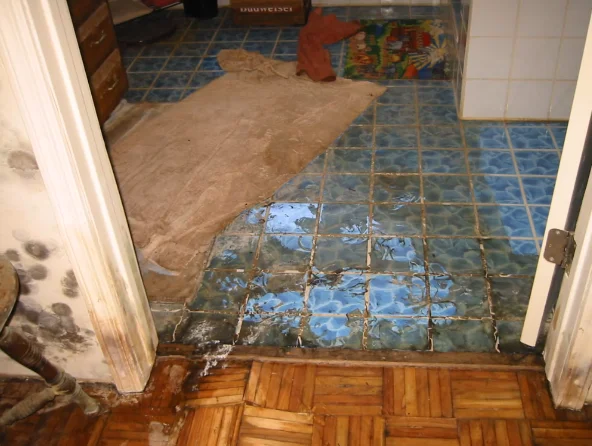
Typical slab leak restoration cost in Orlando: $2,500–$8,000 for drying and restoration (not including plumber's pipe repair). Caught early (within 48 hours of discovery): lower end. Discovered after weeks of slow leaking: upper end, often with flooring replacement.
Slab Leak Questions from Orlando Homeowners
Does homeowners insurance cover slab leak water damage in Florida?
Standard HO-3 homeowners insurance typically covers the water damage from a slab leak — the drying, flooring replacement, and drywall — but not the plumber's cost to fix the pipe itself. The key is that the leak must be "sudden and accidental." If your insurance adjuster argues the leak was gradual (slow pinhole corrosion over months), they may deny the damage claim. Our documentation helps establish when the active water intrusion occurred and supports a sudden-event classification.
Can you dry under a concrete slab without breaking it up?
In many cases, yes. Desiccant dehumidifiers and injectible drying systems can draw moisture out through the concrete over 5–10 days without requiring demolition. However, if sub-slab saturation is severe or if flooring materials above are already damaged beyond drying, targeted concrete removal may be necessary. We assess this before recommending demolition — it's not always required.
How long does slab leak water damage restoration take?
The drying phase typically takes 5–10 days for sub-slab moisture — longer than standard above-slab drying because concrete holds moisture longer than wood framing. Flooring replacement and reconstruction add 3–7 days after verified dry readings. Total project: 1.5–3 weeks depending on damage extent.
My plumber fixed the pipe — why do I still need a restoration company?
Fixing the pipe stops new water from entering, but the water already in your concrete slab, subfloor, and walls doesn't evaporate on its own — especially in Orlando's 74–77% humidity. Without professional drying, that trapped moisture feeds mold growth inside the concrete and subfloor that will surface 4–8 weeks later, typically requiring far more expensive remediation than if it had been dried properly from the start.
Suspect a Slab Leak? Call Before It Gets Worse.
Every week a slab leak goes unaddressed, water migrates further and mold risk grows. DryGuard's thermal imaging detection and sub-slab drying equipment are specifically built for this job.