Mold Remediation Orlando FL Licensed, IICRC-Certified, Insurance-Ready
Mold remediation in Orlando is not a DIY situation, and it is not a job for unlicensed contractors. Florida law is clear. Our licensed remediators follow the IICRC S520 standard. They also follow Florida law §468.8411. We include insurance documents, too.
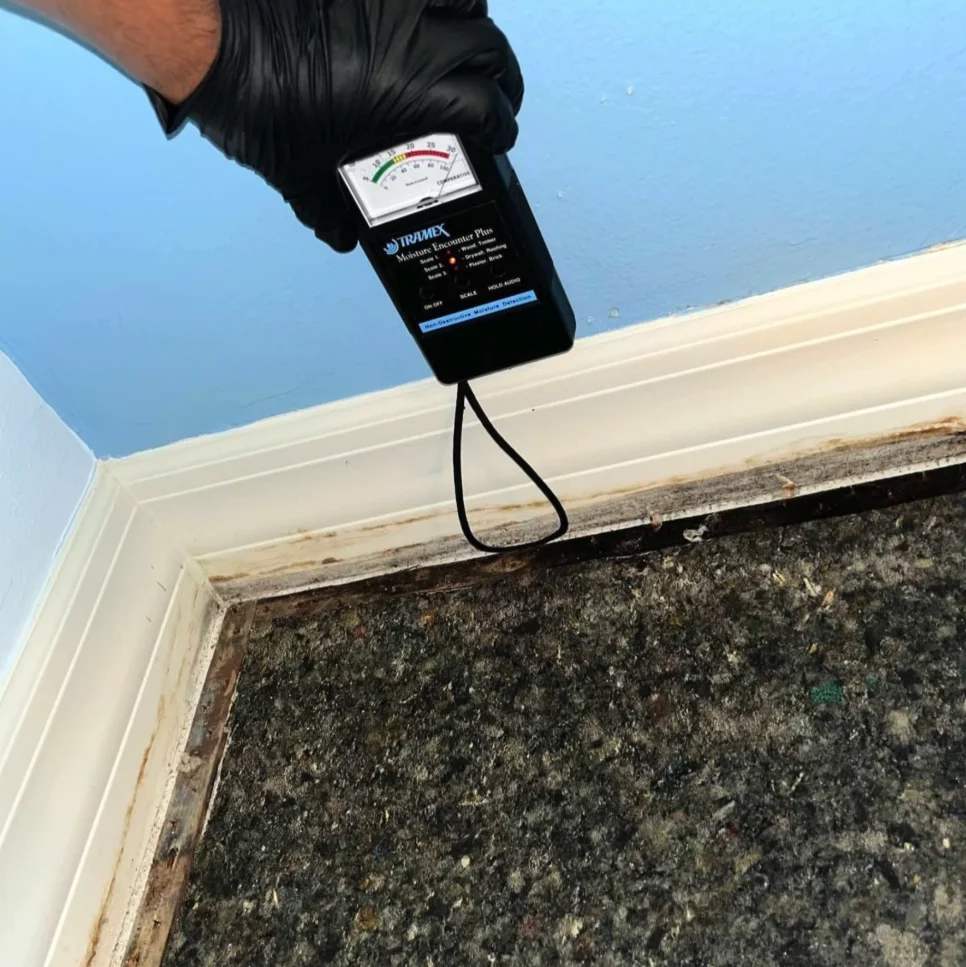
Why Mold Grows Faster in Orlando Than Anywhere Else?
Mold needs three things: moisture, something to feed on like wood or drywall, and humidity above 60%. Orlando has all three all year.
That 60% number isn't an average here; it's the baseline. Orange County stays at 74% to 77% humidity all year. That's already 14 to 17 points past the mold threshold every single day, even in the "dry season."
Here's what that means in real life. In Phoenix or Denver, a water leak might give you two or three days before mold starts. In Orlando, you get about 24 hours. Weather data for this area shows that humidity never drops below 61%, not even in January.
So in Orlando, mold isn't bad luck. It's what happens any time water sits overnight without being dealt with.
Florida Law: What You Need to Know Before Hiring Anyone for Mold
Florida law says mold work has to be done by someone licensed. There are two licenses: RS for inspecting mold and RC for removing it. DryGuard holds an RC license, #MRSR3847. Hiring someone without a license is against the law. This includes handymen. It can also void your insurance claim. Always ask to see a contractor's license number before they start any work.
Orlando Humidity vs. Mold Threshold — Monthly Average
Mold Remediation Process in Orlando Step by Step
Every job meets the IICRC S520 standard. We also follow Florida health rules. Here's exactly what we do and why each step matters.
Moisture Source Identification
Before anything else, we find out where the moisture is coming from. Treat mold without fixing the source, and it comes back. Thermal imaging helps us find hidden leaks behind walls and above ceilings.
Containment Setup
Polyethylene barriers block the work area. Negative air pressure keeps mold spores from spreading. They won’t move into the rest of your home. This matters a lot in Florida, where spores can travel easily on air currents.
HEPA Air Filtration
HEPA air scrubbers filter out 99.97% of particles as small as 0.3 microns. They run while we work. They catch spores stirred up by the mold or by our activities around it.
Material Removal
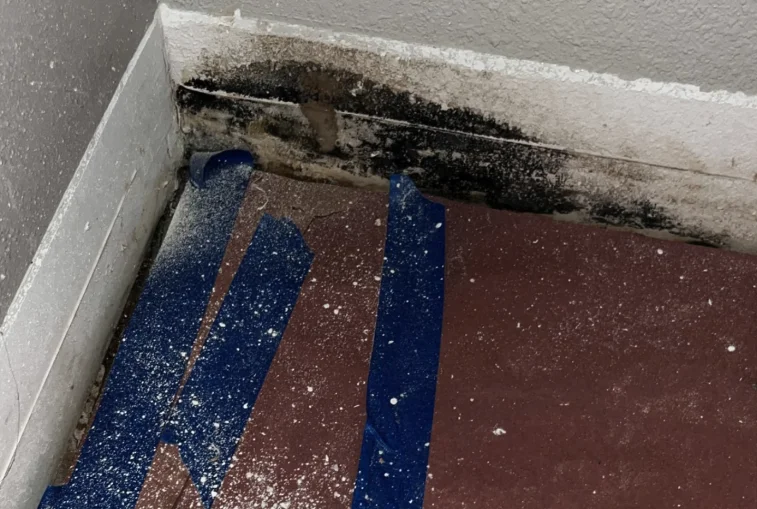
Anything porous with visible mold (drywall, insulation, wet wood, carpet) gets physically removed. Mold-stained drywall can't be cleaned; it can only be cut out and replaced. We use HEPA vacuums during removal to keep spores from spreading.
Surface Cleaning & Antimicrobial
We vacuum hard surfaces like concrete and metal. Then, we wash them with EPA-approved cleaners. These cleaners kill mold. We let everything dry fully. If we can save the wood framing, we coat it with a sealant so mold can't grow back.
Clearance Testing
Florida law says a different company must test your home after the work is done. This company can't be the one that did the cleanup; they check our work to make sure it's right. They test the air to make sure mold levels are normal, so you know it's safe to move back in.
Common Mold Types Found in Orlando FL Homes
We always check what kind of mold we're dealing with before we start the cleanup. Why? Because not every mold is treated the same way; some need more aggressive removal than others. Below are the molds we run into most in Central Florida homes after water damage.
Stachybotrys (Black Mold)
This mold needs a lot of moisture. We often see it after leaks that last two weeks or longer. It looks like slimy, greenish-black patches on drywall. In Orlando, we often find it in homes with AC leaks, since AC damage can go unnoticed for weeks. This type needs full containment and removal of the affected materials.
Aspergillus
This is the most common indoor mold in Florida. It comes in many colors and can grow in one to two days in Orlando's humidity. You'll find it on drywall, wood, insulation, and inside HVAC ducts. It can irritate your breathing. For those with weak immune systems, it may lead to serious infections.
Cladosporium
This mold is olive-green to brown-black and grows on wood, paper, and HVAC parts. It's very common in Florida and is often the first mold to show up after a water leak. Unlike black mold, it needs less moisture. This allows it to appear sooner. Sometimes, this means water damage has started.
Penicillium
This mold is blue-green and spreads fast on wet materials. We often find it on insulation and under flooring. Penicillium can cause allergies in some people. It can also make toxins in certain forms. It's frequently found growing alongside Aspergillus in Florida homes.
Everything Orlando Homeowners Ask About Mold Remediation
Can you just paint over mold in an Orlando home?
No. Painting over mold doesn't fix the problem; it just hides it. The mold is still alive under there, growing behind the paint as long as moisture keeps feeding it. You've probably seen paint sold as "mold-killing primer." That stuff actually works, but only on clean, dry surfaces to stop new mold from starting. It won't kill mold that's already there. If you want to seal over mold-damaged material, the mold has to come off first or get properly treated. That's the rule under IICRC S520 and Florida's own guidelines. So if an inspector or handyman offers to just paint over your mold, walk away.
Does homeowners' insurance cover mold remediation in Florida?
It depends on how the mold got there. Insurance often covers sudden water damage. This includes burst pipes, broken appliances, and storm damage. Most Florida policies cap that coverage at $10,000 under Statute §627.714. If the mold came from a slow leak, flooding, or a problem you already had, it's usually not covered. Flooding needs its own separate NFIP policy. If a covered event did cause your mold, you'll need to prove it: where the water came from and when it happened. We put together that documentation for you in the format adjusters expect to see.
How long does mold remediation take in Orlando?
It depends on the size of the job. A small job, under 10 square feet in one room, usually takes 1 to 2 days. A bigger job covering multiple rooms or large wall sections takes 3 to 5 days. A major job with full demolition and rebuilding can take 2 to 4 weeks. Here in Orlando, jobs tend to run a little longer because of our humidity. The area must dry completely and reach a specific moisture level before we can rebuild. This process takes longer here than in drier locations.
Can I stay in my home during mold remediation?
For small jobs with proper containment set up, a lot of homeowners do stay. We recommend that kids, older adults, and anyone with a weak immune system stay out of the house during work. For bigger jobs affecting multiple rooms or your HVAC system, we recommend moving out for a while. If you need to move, we can provide documentation. This will help cover your temporary living costs through your insurance.
What's the difference between mold removal and mold remediation?
"Mold removal" sounds like we wipe out every trace of mold, but that's not actually possible. Mold spores are everywhere, even outdoors, even in clean homes. We want to lower your indoor spore count to match outdoor levels. Clear visible mold, remove unsalvageable materials, and fix moisture issues. This will help prevent mold from coming back. "Remediation" is not just our preferred term; it’s the legal one under Florida Statute §468.8411 and IICRC S520.
3 Mold Remediation Case Studies Orlando, FL
Written & Reviewed By
Smell Mold? See It? Don't Wait.
In Orlando's humidity, mold spreads to adjacent rooms within days. A 10 sq ft patch this week is a whole-wall remediation job next month. Our licensed team can inspect, document, and begin remediation within 24 hours.
FL Mold Remediator License #MRSR3847 · IICRC S520 Protocol · Insurance Documentation Included