Structural Drying Orlando, FL | IICRC S500 Standard
Structural drying is the method used to fix water damage. Orlando has 74 to 77 percent humidity. In this climate, only industrial machines that run nonstop work. Box fans or windows do not help. We record every moisture reading to support your insurance claim.
What Is Structural Drying and Why Does It Require Professional Equipment in Orlando?
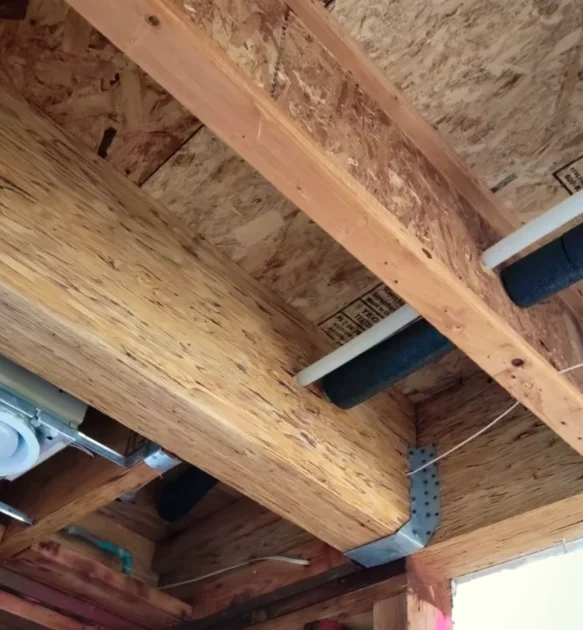
Structural drying means getting water out of soaked materials. This includes drywall, wood framing, subfloors, insulation, and concrete. We set up air movers and dehumidifiers to pull that moisture out. Once each material is back to normal, we call that the "dry standard."
Most people don't know this. Opening a window in many parts of the country helps dry items. Outside air is normally drier than inside a damaged house. In Orlando, outside humidity averages 74-77 percent. That means the outside air is usually wetter than the level we aim for inside. So opening your windows here doesn't help at all. It actually slows drying down, and it can restart the mold clock.
There's an industry standard for this called IICRC S500. It accounts for local differences like ours. In Orlando, our techs set humidity targets. They aim for 8 to 12 percent lower than the national standard. They do this because the area stays very humid.
What is "dry standard" in water damage restoration?
"Dry standard" is the moisture level every material needs to hit before we call the job done. This isn't a guess based on how something looks. Drywall can look completely dry and still measure 28 to 35 percent moisture on our meter. For gypsum drywall, we're aiming for 12 to 17 percent. For wood framing, it's 9 to 13 percent. Concrete varies depending on the type of slab.
Technicians check every spot with a calibrated meter before the equipment leaves. We give you that reading log in writing before your final invoice. If you lack documented proof, you meet only the minimum standard. The insurance adjuster cannot close the claim. The contractor cannot guarantee the work.
What Structural Drying Equipment We Use in Orlando Homes?
LGR Dehumidifiers
Low Grain Refrigerant dehumidifiers remove moisture from the air. They work when humidity is lower than what standard units need. This is important in Orlando, where the air is already very humid. They are sized and positioned using psychrometric calculations. Rate: 100–200 pints/day per unit.
High-Velocity Air Movers
Air movers are placed at specific angles to speed up evaporation from wet surfaces. They push moisture into the air, and dehumidifiers remove it. Placement ratio: approximately 1 air mover per 50–70 sq. ft. affected area.
Desiccant Dehumidifiers
LGR units often fail in attics or complex cavities. Desiccant systems ignore outside humidity and temperature. They fit the enclosed rooms in Florida pier-and-beam houses.
Thermal Imaging
Used at intake to map moisture paths invisible to the eye. Used at monitoring visits to verify equipment is drying the right areas. Used at completion to confirm no hidden moisture pockets remain before reconstruction begins.
Calibrated Moisture Meters
Penetrating and non-penetrating meters measure moisture content in specific materials. All readings are date-time stamped and documented at the same measurement points daily. This log is your insurance evidence that the dry standard was achieved.
Drying Mats (Hardwood Floors)
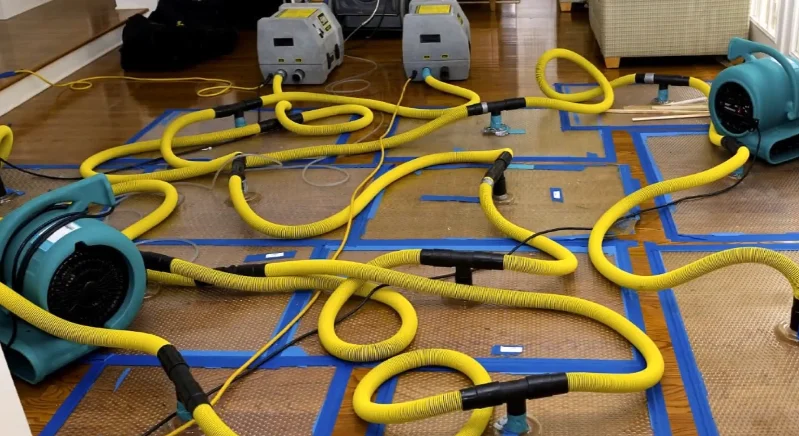
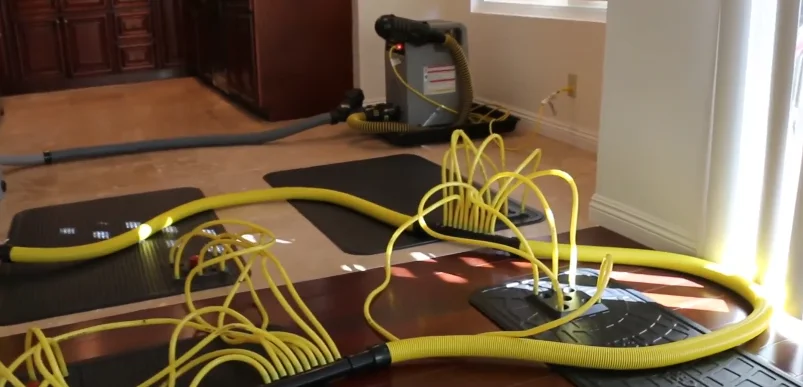
Specialty floor-drying mats extract moisture from flooring and subfloor systems without removal. They help keep hardwood floors in Orlando homes safe. Homeowners in Orlando want to protect their hardwood floors. This is important during water restoration work.
Need Structural Drying in Orlando?
IICRC S500 protocol, industrial LGR equipment, daily moisture logs for insurance. We don't stop until your home hits the dry standard verified by calibrated meters, in writing.
Structural Drying in Orlando: Why Standard Methods Fail in Central Florida's Humidity
IICRC S500-compliant structural drying isn't about placing fans and waiting. It's applied physics — and in Orlando, the physics are more demanding than almost anywhere else in the country.
The Humidity Problem
Most drying protocols and equipment specifications assume ambient humidity of 50–60%. This covers most of the continental US. Orlando's year-round humidity sits at 74–77% — that's 14–27 percentage points above the assumed baseline. Running equipment sized for a Kansas City job in an Orlando home produces approximately 75% of the expected drying output.
We compensate by increasing equipment placement density, reducing target grain per pound (GPP) thresholds, and running equipment for longer before checking moisture readings. The result: drying timelines that match what we promised rather than jobs that "finish" with moisture still trapped in the framing.
IICRC S500 — What It Actually Means
The IICRC S500 standard defines specific procedures for water damage restoration. Key elements relevant to Orlando homeowners:
- ✓ Moisture mapping documentation required before drying begins
- ✓ Equipment placement calculated by IICRC formula, not guessed
- ✓ Daily moisture readings at every test point — logged, not estimated
- ✓ Drying verified to pre-loss moisture levels, not visual appearance
- ✓ Reconstruction cannot begin until calibrated readings confirm dry standard
When an adjuster asks for drying documentation, S500-compliant logs are the standard. Restoration completed without these logs may face claim challenges.
Equipment We Use for Orlando Structural Drying
The difference between a $1,500 drying job and a $15,000 mold remediation job is usually whether the right equipment was placed in the right quantities in the first 24 hours.
LGR Dehumidifiers
Low-grain refrigerant dehumidifiers extract more moisture per kilowatt than standard dehumidifiers at the low-humidity levels needed for effective structural drying. In Orlando's baseline humidity, LGR units are mandatory — not optional.
Desiccant Dehumidifiers
For materials with especially stubborn moisture retention — concrete slab, masonry, and heavily saturated wood framing — desiccant systems achieve drying that refrigerant units cannot. Essential for slab leak jobs and garage/concrete restoration.
Axial Air Movers
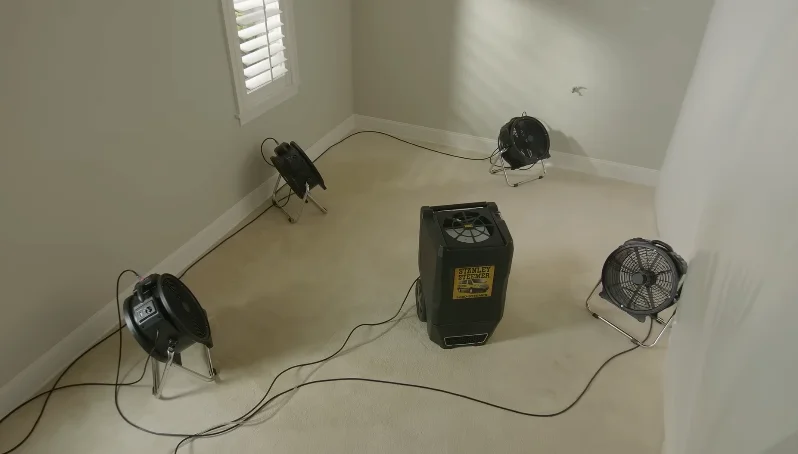
High-velocity air movers create a vortex pattern across floor surfaces and up walls, dramatically increasing evaporation rate from wet materials. Placed per IICRC formula — not randomly positioned by feel.
Injectible Drying Systems
Small-bore injection tubes direct dry air into wall cavities and under flooring without demolition. Allows drying of hidden moisture pockets that would otherwise require tearing out intact drywall.
Thermal Imaging Cameras
Detect temperature differentials that indicate hidden moisture behind walls and under flooring. Used for initial mapping and to verify drying completion — thermal imaging shows moisture that calibrated meters may not catch in inaccessible cavities.
Calibrated Moisture Meters
Pin and pinless moisture meters at every test point, every day. Readings logged with date, time, and test point reference. This is the chain of documentation your insurance adjuster needs to close your claim without challenge.
Need Structural Drying in Orlando? Start the Clock Now.
Every day without proper industrial drying equipment in Orlando's humidity is another day mold grows closer to your walls. IICRC S500-compliant drying with full insurance documentation.