Water Damage Restoration Thornton Park, Orlando
Thornton Park has Craftsman bungalows built between 1920 and 1959. These houses are made with pier-and-beam construction. This is similar to homes found in College Park. Older homes like these typically have more original materials. We restore the original craftsmanship and follow IICRC dry-standard guidelines.
Water Damage Restoration in Thornton Park Orlando: Built for Older Homes
Thornton Park in Orlando has homes dating back to the 1920s and 1950s, along with some built after World War II. The neighborhood's proximity to Lake Eola makes it a desirable location. Most homes here use a pier-and-beam foundation. Many also retain their original hardwood floors and cast-iron plumbing pipes.
Unique Water Damage Risks in Thornton Park
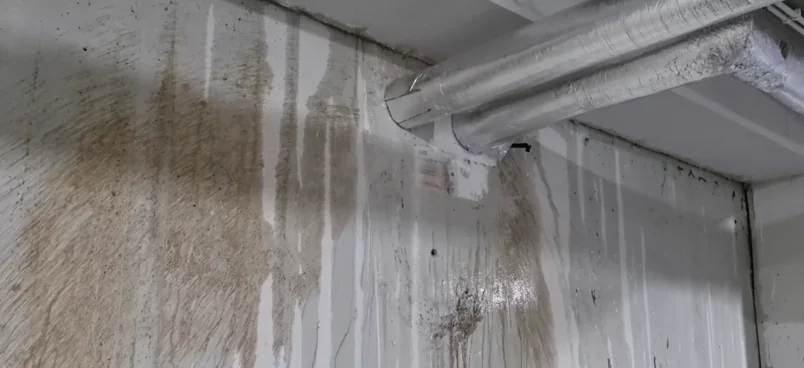
- Plumbing over 100 years old. Many homes still use galvanized iron or copper pipes that are much older than they should be. Pinhole leaks can run inside the walls for months before anyone notices.
- Plaster wall construction. Plaster dries differently than drywall and needs its own moisture approach. Dry it wrong, and you risk cracking the plaster or separating it from the lath underneath.
- Lake Eola flood proximity. Thornton Park has drainage problems during heavy rain. The lower-elevation streets flood worse. The neighborhood sits near Lake Eola, which makes the issue worse.
- Historic designation rules. Many homes here sit inside the Lake Eola Heights Historic District. Repairs or replacements of historical features in Orange County need approval. You must get this from the Historic Preservation Office.
Water Damage Restoration in Thornton Park Orlando: Local Knowledge, Not Generic Service
Thornton Park restoration is among our most challenging projects. We're not just drying out a house; we're preserving materials that are 80 to 100 years old. This involves meeting modern drying standards. Our team has experience with drying plaster walls and preserving original hardwood. We also comply with the requirements of the Historic Preservation Office. This can affect what your insurance covers.
24/7 Emergency — Craftsman Bungalow Specialists
Thornton Park's 1920s–1950s craftsman homes have galvanized steel plumbing and original drainage systems requiring specialist response. A real person answers. On-site in under 15 minutes — we carry equipment for older construction types.
Thermal Imaging — Plaster Walls & Original Woodwork
In Thornton Park historic homes, water hides behind plaster walls and original wood lathe for days before surface signs appear. Thermal imaging protects irreplaceable craftsman interior finishes from extended hidden moisture damage.
Insurance Docs — Downtown-Adjacent Drainage & Contamination
Thornton Park's proximity to downtown's aging combined drainage system means storm events can produce Category 2 or 3 water contamination. We document water source and contamination classification for accurate insurance coverage determination.
Licensed Mold Remediation — Lake Eola Humidity Zone
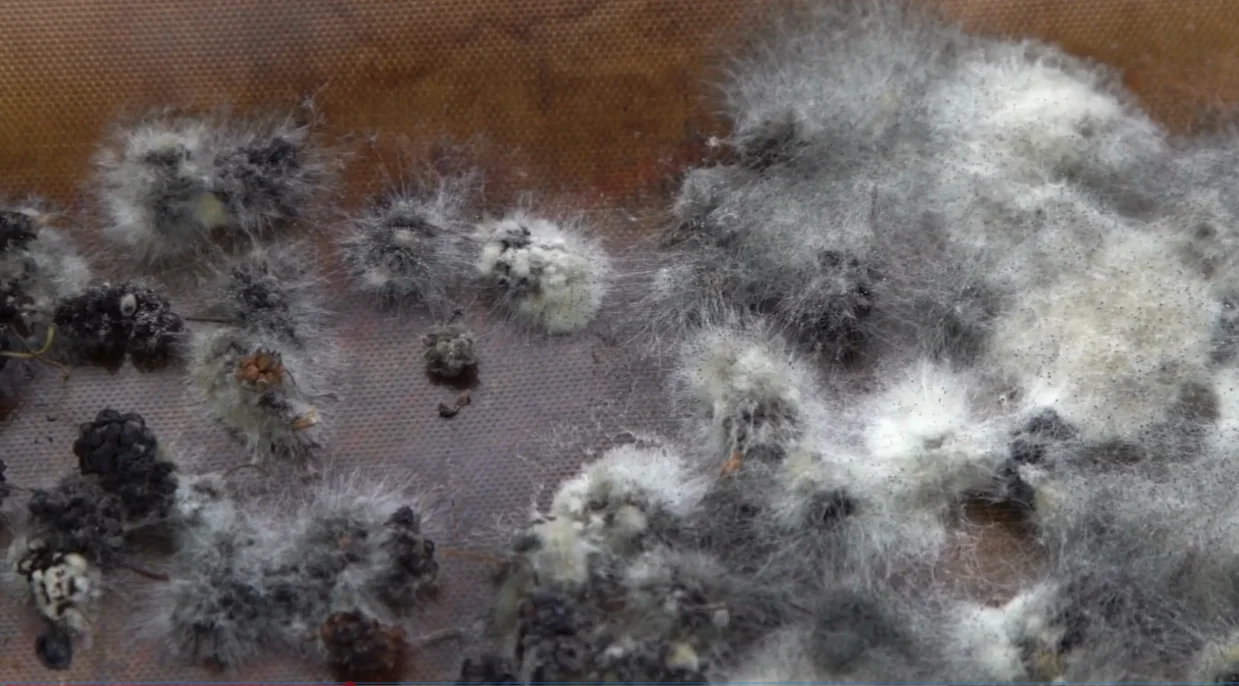
Proximity to Lake Eola creates a local humidity microclimate that accelerates mold growth beyond even Orlando's 74–77% annual average. FL Mold License #MRSR3847. Same-visit assessment and remediation available.
Common Questions From Thornton Park Homeowners
Can original plaster walls be saved after Water Damage in Thornton Park?
Often, yes. But timing matters a lot here. Drying needs to start within the first 24 hours. Here's the thing about plaster: it actually holds up better than drywall at first. It doesn't soak up water as fast. The real danger is hiding behind it, in the wood lath that holds the plaster in place. Once that lath gets too wet, the plaster can fail completely, and there's no saving it at that point. So the first thing we check is moisture in that lath. If it's under 18 to 20%, we can usually dry it out carefully and keep the plaster intact. We always try to save it first. Original plaster just has something modern drywall can't replace.
Does historic designation in Thornton Park affect Water Damage insurance claims?
If your house is in the Lake Eola Heights Historic District, you must get approval from Orange County. You need that approval before replacing any historic feature. The approval can take time and may change what your insurance will cover. Your adjuster will want proof that new materials follow district rules. We prepare that paperwork for you. We document historic materials and indicate which ones we are preserving or replacing.
How much does water damage restoration cost in Thornton Park?
A bit more than average, honestly, usually 20% to 35% above standard Orlando pricing. But it's not padding; it's real work. Drying out a pier-and-beam crawlspace alone adds $800 to $2,200. Saving plaster takes more time than just tearing out drywall. Original hardwood floors need their own careful drying process. And historic homes come with extra paperwork we have to handle properly. A pipe leak in a Thornton Park bungalow usually costs between $2,500 and $5,000.
Thornton Park Restoration Context
Thornton Park sits immediately east of downtown Orlando on the shore of Lake Eola — Florida's most photographed urban lake. The neighbourhood's craftsman bungalows, built primarily between 1910 and 1955, represent some of the oldest surviving residential construction in Orlando. Galvanized steel supply plumbing in the oldest homes corrodes from the inside out, narrowing over decades until flow restriction causes catastrophic failure — typically a pipe that has lost 70–80% of its interior diameter before it finally gives way.
The neighbourhood's proximity to the downtown stormwater drainage system — portions of which were installed in the 1940s and 1950s — creates a unique risk during sustained heavy rain events: combined sewer overflow can produce Category 2 or 3 contamination in low-lying areas near the lake and along the Washington Street corridor. DryGuard documents the contamination category at arrival, which determines the correct restoration protocol and protects your insurance claim classification.
Water Damage Restoration Thornton Park Orlando: We Know Your Neighborhood
Our IICRC certification means we know the building types and risks in Thornton Park. We stand ready to respond to emergencies at any hour, 24/7. Before starting any work, we will provide a written estimate for your approval.
Thornton Park Water Damage: 1920s Bungalows, Craft Beer District, and Lake Eola Adjacent
Thornton Park's 1920s–1940s Construction Profile
Thornton Park — bounded roughly by Lake Eola to the west, Bumby Avenue to the east, and Colonial Drive to the north — is one of Orlando's earliest planned residential neighborhoods. The craftsman bungalows and Mediterranean revival homes along Washington Street, Central Boulevard, and Summerlin Avenue were built primarily between 1920 and 1945. This construction era predates modern copper supply plumbing — many Thornton Park homes retain original galvanized steel supply lines that are 70–90 years old, or have been partially replumbed in copper at various points over the decades without a complete system replacement. Galvanized steel corrodes from the inside, producing rust-colored water as an early warning sign before complete failure.
The Milk District Adjacent
The Milk District — the LGBTQ+ and arts community along Corrine Drive and the surrounding blocks — shares Thornton Park's 32803 ZIP code and similar 1920s–1950s housing stock. The converted commercial buildings, craft brewery spaces, and renovated residential properties in this area have the same aging plumbing and cast-iron drain line concerns as Thornton Park proper, with the addition of the water damage risks associated with commercial kitchen and bar plumbing that has been retrofitted into originally residential structures.
Lake Eola Adjacency and Drainage
Thornton Park's western boundary meets Lake Eola, which drains southward through a complex urban stormwater system. The streets immediately adjacent to the lake — Eola Drive, the residential blocks between Lake Eola and Central Boulevard — sit within the lake's drainage basin. During sustained heavy rainfall, groundwater elevation in this basin can affect the lowest-floor portions of homes adjacent to the lake. The historic homes in this zone, with their original crawl spaces and basement-like utility areas, are particularly vulnerable to groundwater seepage events that modern slab-on-grade construction would not experience.
Renovation Activity and Water Damage Risk
Thornton Park has been one of Orlando's most actively renovated neighborhoods for the past two decades. Renovation activity — particularly the conversion of older electrical systems, the addition of modern kitchens and bathrooms in homes not originally designed for them, and the installation of modern appliances in older plumbing systems — creates elevated short-term water damage risk. New supply line connections at corroded fittings, new HVAC condensate drain lines installed in attic spaces not originally designed for HVAC equipment, and new bathroom plumbing connecting to original cast-iron drain stacks are among the most common post-renovation failure points.