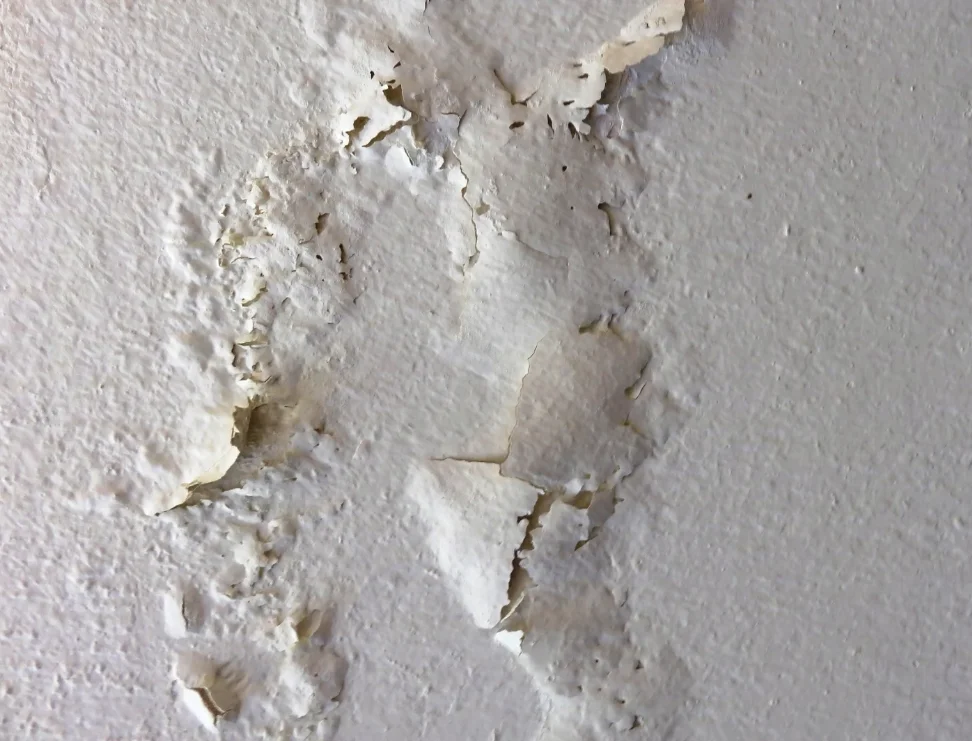
When DryGuard Restoration receives a Category 3 water damage call in Orlando, the job scope is fundamentally different from a Category 1 water loss. The water classification system used in our industry — defined by the IICRC S500 Standard for Professional Water Damage Restoration — isn't bureaucratic jargon. It determines what materials can be salvaged, what PPE is required, how the space must be contained, and what biocide protocols apply. Category 3 water damage in Orlando is at the top of that scale.
IICRC Water Damage Categories: What Each Level Means for Your Orlando Home
The IICRC S500 defines three water damage categories based on the contamination level of the water source. The category affects everything: the cleanup approach, the salvageability of materials, the cost, and the health risk to anyone in the building.
Category 1 — Clean Water
Clean water originates from a sanitary source and poses no substantial harm to humans if contacted. In Orlando, the most common Category 1 sources are:
- Broken supply lines (the pipes that bring fresh water to sinks, toilets, dishwashers, refrigerators)
- Overflowing sinks or tubs — if caught early
- Reverse osmosis (RO) system failures
- Rain intrusion through a compromised roof — in its initial state
Category 1 allows for the most aggressive drying and salvage approach. Hardwood floors, drywall, and insulation can often be dried in place without removal. The job is faster and the cost is lower.
Important caveat: Category 1 water that sits for 48–72 hours — especially in Orlando's heat and humidity — can degrade to Category 2 or 3 conditions due to microbial growth in the water and in the building materials it contacted.
Category 2 — Grey Water
Grey water contains significant contamination and has the potential to cause discomfort or sickness if contacted. Common Category 2 sources in Orlando include:
- Dishwasher and washing machine overflows
- Toilet overflow with no solid waste (water only)
- Sump pump failures in areas with groundwater intrusion
- Aquarium breaks
Category 2 requires more material removal than Category 1 — carpet and pad in affected areas are typically removed, and drywall may need to come out below the flood line. Porous materials that absorbed Category 2 water cannot simply be dried and left in place.
Category 3 — Black Water
Category 3 is grossly contaminated water — the IICRC S500 defines it as water that contains pathogenic, toxigenic, or other harmful agents. It is a biohazard. ALL porous materials that contacted Category 3 water must be removed and properly disposed of. There is no restoration option for wet drywall, insulation, or carpet that was exposed to black water. The contamination cannot be eliminated through drying alone.
Category 3 Black Water: Sources, Health Risks, and Why It's Different
In Orlando, Category 3 water damage most commonly comes from four sources:
- Sewage backup: The most common cause. When municipal sewer lines back up — often during heavy rain events — raw sewage can reverse into floor drains, toilets, and floor-level plumbing fixtures throughout the house. This is an extremely common issue in older Orlando neighborhoods where sewer infrastructure is aging.
- Toilet overflow with solid waste: Unlike a water-only toilet overflow (Category 2), any overflow that includes solid material is immediately classified as Category 3.
- Stormwater / floodwater intrusion: Rainwater that has traveled over land picks up surface contaminants, lawn chemicals, motor oil, animal waste, and bacteria before entering your home. Even if the water doesn't originate from a sewage source, stormwater flooding is classified as Category 3 by the IICRC S500.
- Seawater intrusion: Rare in Orlando but relevant during hurricane events in coastal Central Florida counties — seawater carries marine bacteria and is classified Category 3.
Pathogens Present in Category 3 Water
This is why Category 3 cleanup cannot be done without proper training and equipment. The pathogen load in sewage-contaminated water includes:
- E. coli (Escherichia coli): Causes severe gastrointestinal illness; certain strains are life-threatening. Exposure routes: skin contact with open wounds, ingestion.
- Salmonella: Causes salmonellosis — fever, diarrhea, abdominal cramps. Can survive on surfaces for extended periods.
- Hepatitis A virus: Liver disease transmitted through fecal-oral contact. Survives in water and on surfaces.
- Cryptosporidium: A chlorine-resistant parasite that causes cryptosporidiosis — severe diarrhea that can be life-threatening in immunocompromised individuals. Very small — aerosol transmission is possible if contaminated water is disturbed without respiratory protection.
- Norovirus: Highly contagious, causes severe vomiting and diarrhea. Resistant to many common disinfectants.
Contact with these pathogens through skin, mucous membranes, inhalation of aerosolized droplets, or indirect transfer to food or water sources causes real illness. This is not a risk to be minimized.
How DryGuard Handles Category 3 Water Damage in Orlando
Category 3 cleanup protocol is more involved than any other water damage job. Here is exactly how a Category 3 job is handled — not an approximation, but the actual sequence of work.
Personal Protective Equipment
Everyone entering a Category 3 affected area wears: full Tyvek or equivalent disposable coveralls, N95 or higher respirator (P100 when mold is also suspected), chemical-resistant gloves, safety goggles, and rubber boots. No exceptions. The crew does not enter the area without full PPE in place.
Containment Setup
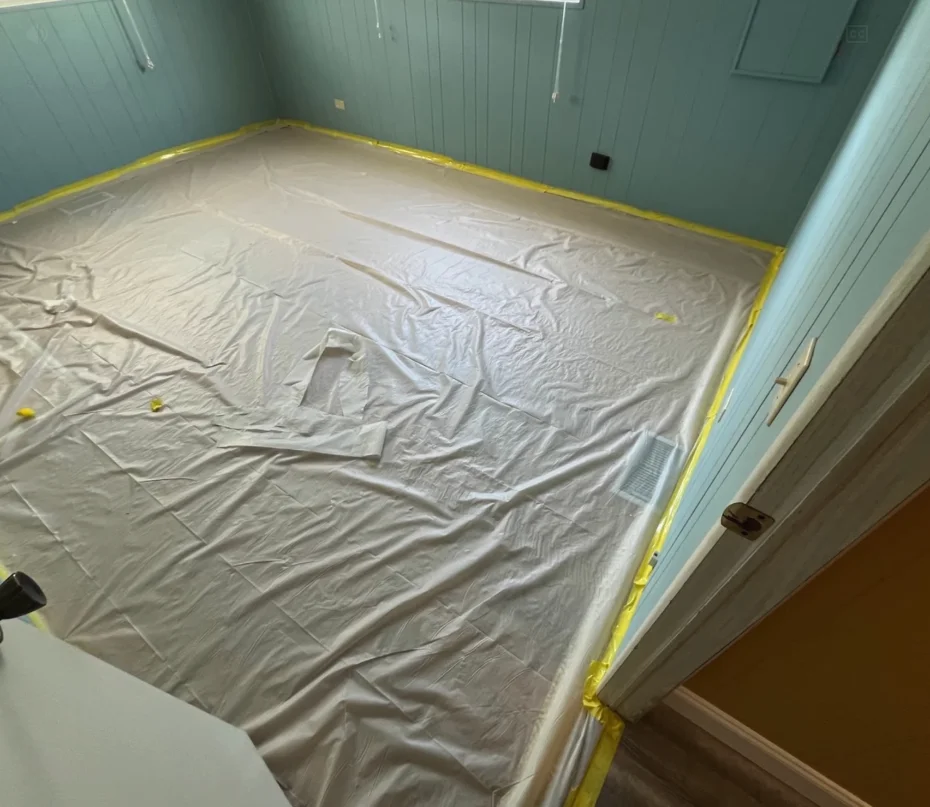
Polyethylene containment barriers are installed to isolate the affected area from the rest of the home. Negative air pressure is established immediately using negative air machines equipped with HEPA filters — this prevents cross-contamination to unaffected areas during the demolition and removal phase. The HVAC system is shut off and sealed for the duration of the job.
Material Demolition and Removal
Every porous material that had direct contact with Category 3 water is removed: drywall to at least 12 inches above the visible flood line (the moisture wicks upward through capillary action, so the actual affected zone extends beyond what's visible), carpet and padding, insulation, and in many cases, baseboards and lower cabinet components. All removed material is double-bagged in heavy-duty poly bags, sealed, and removed from the structure in a dumpster. It cannot go to standard recycling — it is biohazardous waste.
EPA-Registered Biocide Application
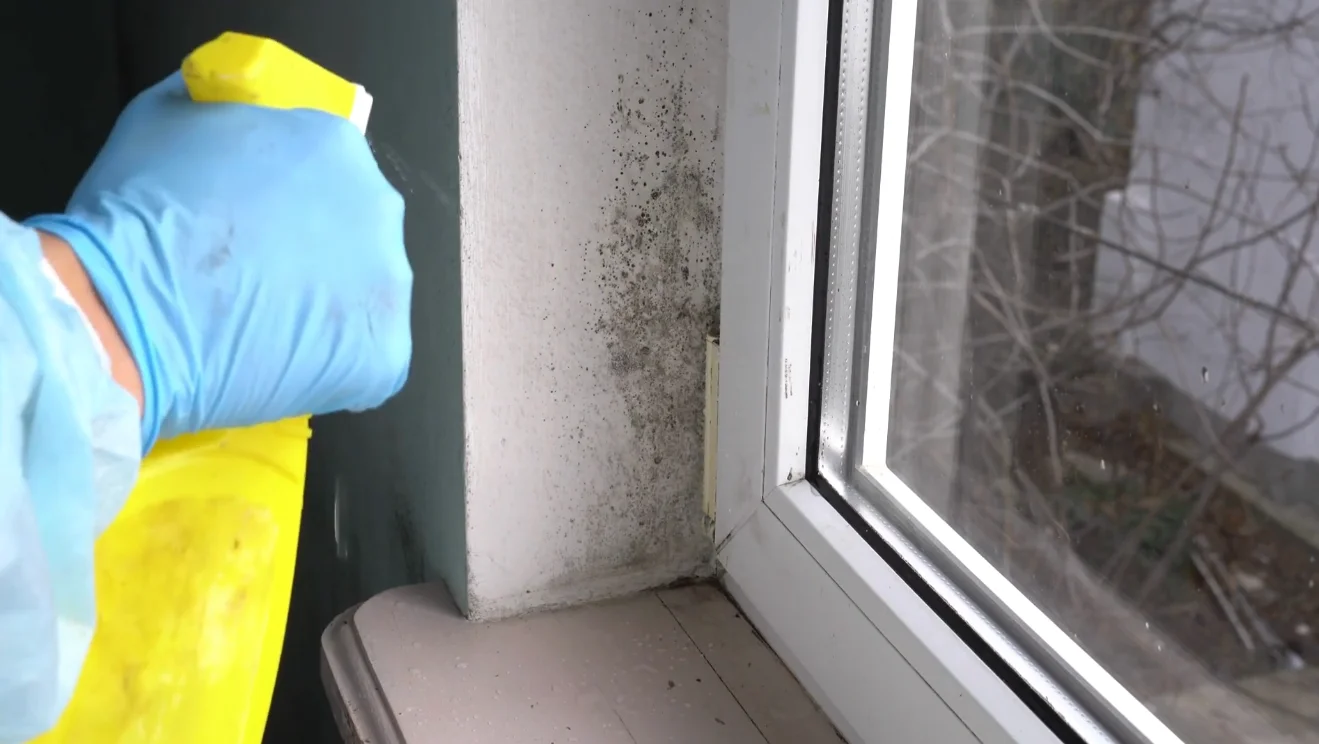
After demolition, all remaining structural surfaces — concrete, wood framing, metal — are treated with EPA-registered biocides approved for pathogen control. We use products registered under FIFRA for this application. This is not a disinfecting wipe or bleach solution — it's a commercial-grade antimicrobial that remains effective on treated surfaces. Application is documented.
Structural Drying
After contaminated materials are removed and biocides applied, LGR dehumidifiers and air movers are deployed for structural drying. Even after tear-out, the concrete slab or framing lumber may retain moisture that must be reduced before reconstruction. Psychrometric monitoring tracks progress.
Post-Remediation Air Quality and Surface Testing
Before reconstruction begins, surface swab testing and air sampling verify that pathogen and mold spore counts are within acceptable levels. We document the clearance for your records and insurance file.
Category 3 Cleanup Timeline: What Happens in the First 72 Hours
Time is particularly critical with Category 3 water damage — and not just because of mold. The longer contaminated water sits, the deeper it penetrates into structural materials, and the more the contamination spreads beyond the immediately visible area.
Hour 0–4: Emergency Response
Source is stopped (if it hasn't been already — call your plumber before calling us if the sewage is still actively flowing). DryGuard arrives, assesses the extent of contamination, establishes containment, and begins material removal. The faster this starts, the less secondary spread occurs.
Hour 4–24: Demolition and Removal
All contaminated porous materials are removed. This typically includes drywall, flooring, insulation, and in severe cases, lower cabinet components. The dumpster is loaded and sealed. Biocide treatment is applied to structural surfaces.
Hour 24–48: Drying Phase Begins
LGR dehumidifiers and air movers are running. Moisture readings are documented. The containment remains in place. If mold was present at arrival (possible if the backup wasn't discovered quickly), HEPA air scrubbers run continuously.
Hour 48–72: Monitoring and Assessment
By 48 hours, the area has been decontaminated and drying is underway. This is the point at which a Category 3 job that was addressed promptly is under control. Jobs where the water sat for 24–48 hours before discovery require longer remediation timelines — typically 5 to 7 days minimum before the structure is ready for reconstruction.
Total remediation time for a Category 3 sewage backup in a typical Orlando home runs a minimum of 3 full days, and often 5 to 7 depending on the scope of material removal and the moisture levels in the structure.
Category 3 water damage is not a wait-and-see situation. Every hour of delay increases the scope and the cost.
Call DryGuard Now: (407) 250-7641 Sewage Cleanup OrlandoCategory 3 Water Damage Orlando — FAQs
What is Category 3 water damage?
Category 3 water damage — commonly called black water — is defined by the IICRC S500 Standard as grossly contaminated water containing pathogenic, toxigenic, or other harmful agents. Sources include sewage backups, toilet overflows with solid waste, stormwater flooding, and seawater intrusion. Category 3 is the most serious classification because the pathogens present — including E. coli, Hepatitis A, and Cryptosporidium — pose direct health risks. All porous materials that contacted Category 3 water must be removed and properly disposed of, not dried and reused.
Can I clean up Category 3 black water myself in Orlando?
No. Category 3 black water contains live pathogens that cause serious illness. Cleaning it without full biohazard PPE — Tyvek suit, P100 respirator, chemical-resistant gloves, face shield — puts you at direct risk of pathogen exposure. Beyond the personal safety issue, DIY cleanup without containment and negative air pressure spreads contamination through the HVAC and into unaffected rooms. It also typically voids any insurance claim by disrupting the evidence of scope before an adjuster can inspect. Call a professional immediately.
Does insurance cover Category 3 sewage backup in Florida?
Standard Florida HO-3 policies typically exclude sewage backup unless you purchased a specific sewage or water backup rider. This endorsement is relatively inexpensive — usually $30–$75 per year — and covers the cost of cleanup and structural repairs from a backed-up line. If you don't have the rider, you're paying out of pocket. Flooding from outside your property (storm surge, rising water from rain events) is covered only by NFIP flood insurance, not a standard homeowners policy. Review your declarations page now, before a backup happens.
How much does Category 3 water damage cleanup cost in Orlando?
Category 3 cleanup in Orlando typically ranges from $3,500 to $15,000 or more. The wide range reflects the square footage affected and the materials involved. A contained sewage backup in a single bathroom — caught within a few hours — runs $3,500 to $6,000. A basement or ground floor area with significant square footage, drywall removal, subfloor replacement, and extended drying falls at the higher end. Category 3 jobs always cost more than Category 1 or 2 of the same size because porous material cannot be dried — it must be demolished and removed, which drives up both labor and disposal costs.