Hurricane Water Damage Restoration Orlando, FL
Orlando has experienced three major storms in the past 20 years. Our certified teams have dealt with all of them. The region has had water damage problems. These are mainly from hurricanes. Karst limestone also causes drainage issues. We have experience with insurance challenges related to named storms as well.
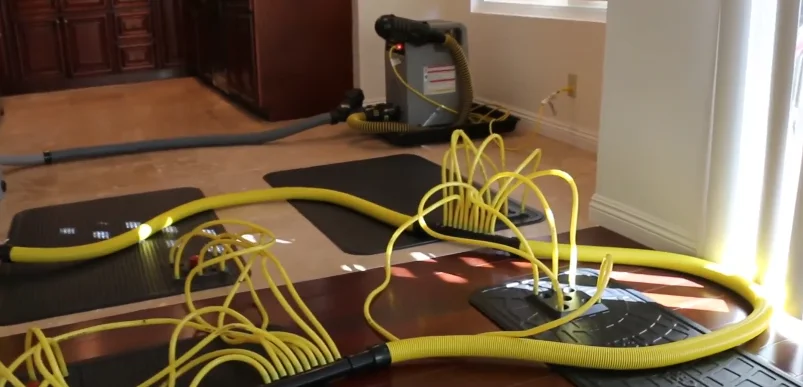
What We Know About Hurricane Water Damage in Central Florida
Orlando frequently experiences Atlantic hurricanes. These storms form east of the city. They are weaker when they reach the area but still cause major issues. Extra rainfall is common during these events. A hurricane can drop rain in large amounts, up to 20 inches, over two short days. Regular homes cannot manage large floods well. Water enters damaged roofs, window cracks, and clogged drains.
Hurricane damage here has primarily been documented from three storms:
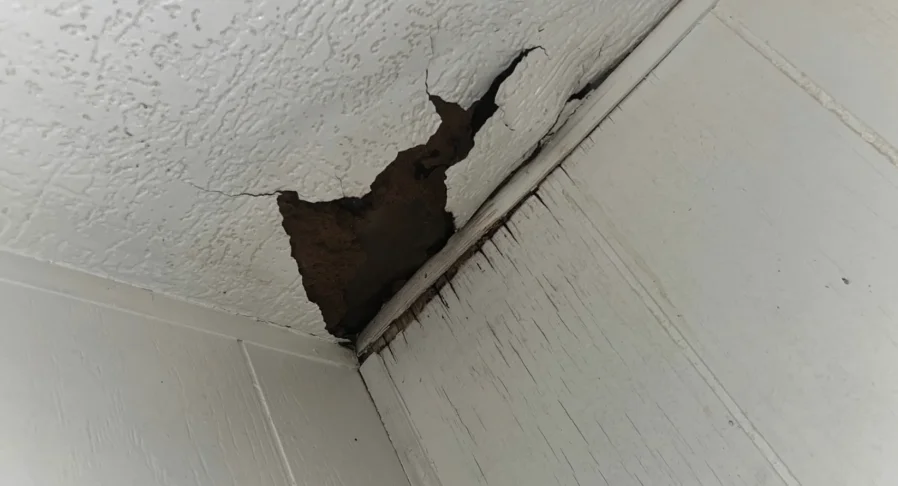
Wind-Driven Rain vs. Flood: The Misclassification That Costs Orlando Homeowners Thousands
Central Florida hurricanes often lead to a common mistake by insurance adjusters. They classify wind-driven rain damage as flood damage, which can deny an entire claim. The issue centers on this crucial distinction.
Wind-Driven Rain = COVERED by HO-3
Rain enters the house through openings caused by wind or hail damage to the roof or windows. Standard homeowners' insurance covers this. Documentation of the entry point is critical.
Rising Water / Storm Surge = NOT COVERED
Flood damage can be caused by water rising from the ground. Sources include storm surge, overflowing drainage, and runoff. It requires separate NFIP flood insurance. It is not covered by a standard HO-3 policy.
DryGuard's hurricane records describe where water got in and the wind damage it faced. It also outlines the path the water took as it migrated from that entry point. This documentation helps distinguish between successful and denied insurance claims.
How long does hurricane water damage restoration take in Orlando?
After a hurricane, most restoration jobs here in Orlando take 1 to 3 weeks just to dry everything out. Full rebuilding usually takes 2 to 8 weeks, depending on the severity of the damage. After a storm, equipment and crews in Central Florida can be hard to find. This leads to more delays. We plan for that ahead of time. We set aside a reserve of equipment specifically for post-storm situations. This way, when a storm like Milton hits, we're not left waiting for air movers like everyone else.
What water damage is covered after a hurricane in Florida?
A typical Florida homeowners policy, known as HO-3, does not cover flood-related problems. Water can enter your home through gaps created by a damaged roof or a broken window. Strong winds can make this happen. For that, you need separate flood insurance through the NFIP. You should also know about your hurricane deductible. The deductible is usually 2 to 5% of your home's insured value. For an Orange County home, this could be $8,000 to $20,000 or more. And if your home sits in a FEMA flood zone, there's one more thing to watch for. FEMA rules say you must rebuild your whole house if repair costs pass half its market value. This requirement exists to comply with flood regulations.
Case Studies of Hurricane Water Damage in the Orlando Area
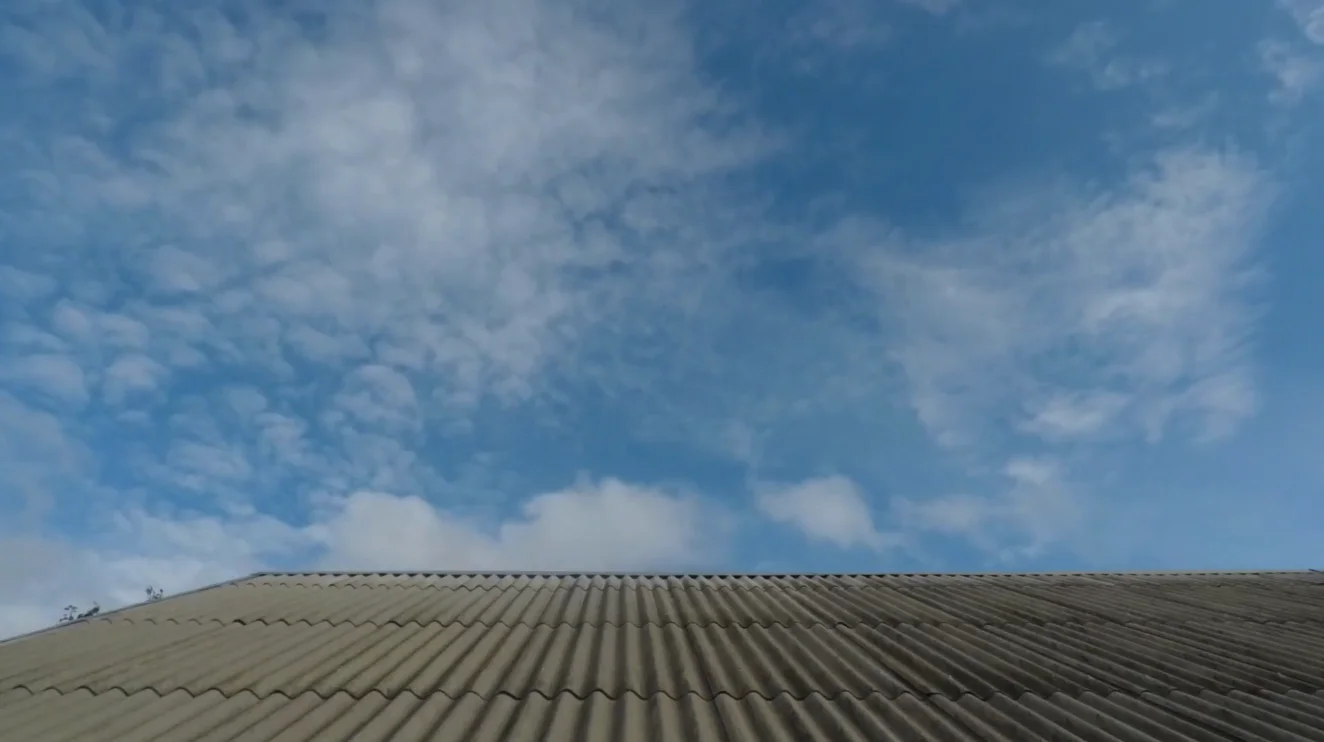
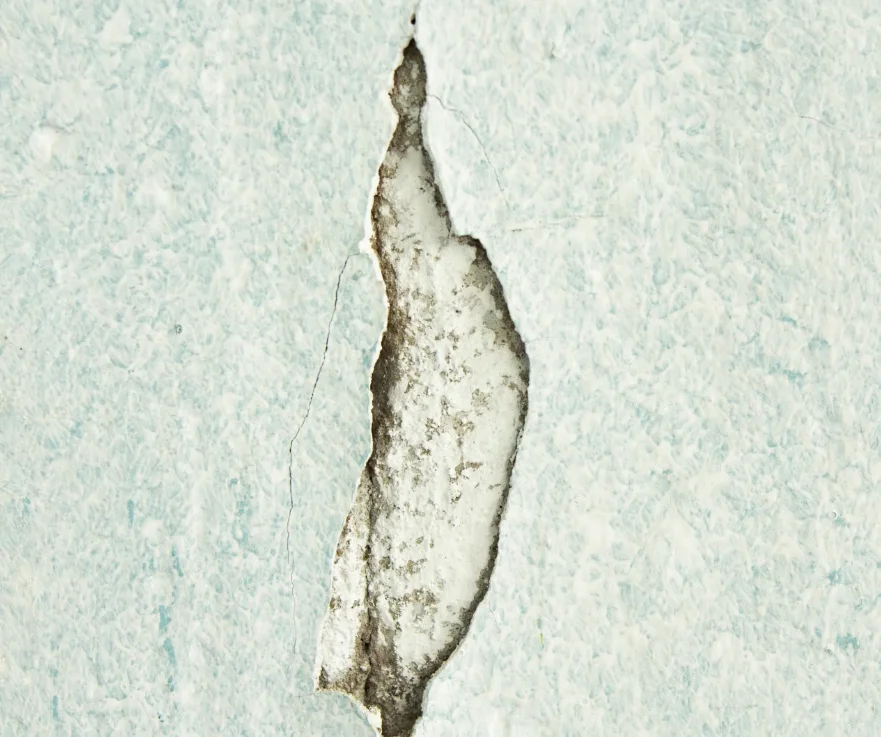
Hurricane Damage in Orlando? We Know These Storms.
DryGuard has responded to water damage in Orlando through three hurricane seasons. Local knowledge, IICRC certification, insurance-ready documentation from hour one.
Hurricane Water Damage in Orlando: What We've Learned from Charley, Ian, and Milton
DryGuard has operated through three named hurricanes that made direct or near-direct impacts on Orange County. Each taught us something different about how Central Florida homes handle storm water. That experience is on-site with every crew we dispatch.
Hurricane Charley — August 2004
Category 4 at Punta Gorda, Category 1–2 through Orange County. Primary damage: roof breaches from wind-driven debris, shingles and tile failures. Lesson: tile roofs survive wind, but underlayment fails — and water runs for hours undetected in attic insulation before making it to ceilings.
Hurricane Ian — September 2022
Category 4 landfall, downgraded to tropical storm over Orange County — but still catastrophic for roof and window damage. Primary damage: wind-driven rain entry through chimney flashings, roof vents, and window seals. Insurance classification disputes were common. Many homeowners lost claims misclassified as "flood."
Hurricane Milton — October 2024
Category 3 landfall near Sarasota, eye crossed Orange County. Spawned multiple tornadoes across Orlando metro. Damage pattern: combination of wind damage opening roofs and sustained rainfall. Affected homes in Dr. Phillips, Windermere, and Winter Garden most heavily. Record call volume in first 24 hours post-storm.
The Insurance Classification Problem After Orlando Hurricanes
After every major storm, we see the same scenario: an insurance adjuster classifies water damage as "flood damage" when it should be covered under standard homeowners insurance. This single misclassification can void an entire claim for a homeowner with no separate flood policy.
Wind-Driven Rain vs. Flood: The Legal Difference
Wind-driven rain: Water that enters through a storm-created opening — a breached roof, blown-out window, or broken door — is covered under your HO-3 homeowners policy as a wind-related loss. This is the most common hurricane water damage type in inland Orlando.
Flood damage: Water that rises from outside and enters the structure from below or at grade level. This requires separate NFIP or private flood insurance and is NOT covered under standard homeowners policies.
When an adjuster does a quick visual inspection and sees water-stained walls, they may default to "flood" — especially after a hurricane when everyone is filing simultaneously. Our job is to document the entry point, the storm damage that created that entry point, and the migration path of water through your structure. That documentation is what gets claims reclassified correctly.
→ Full Florida Hurricane Insurance Guide
After any Orlando hurricane: Call DryGuard before you talk to your adjuster. The first documentation of damage sets the narrative for your entire claim. Once an adjuster files "flood" in the system, changing that classification is difficult. Let us document the entry point first — it matters.
Hurricane Water Damage: What Orlando Homeowners Should Do in the First 24 Hours
Document Before Anything Moves
Walk every room with your phone before touching anything. Capture the entry point, the water path, and the extent of damage. Do not throw away damaged materials before your adjuster inspects — this documentation is required for your claim.
Emergency Tarping if Roof is Open
If your roof has a breach, water will continue entering until it's covered. Emergency tarping is a temporary stop-gap. Call DryGuard simultaneously — we document the breach before tarping occurs so the storm cause of loss is preserved in your record.
Start Mitigation — Do Not Wait for Adjuster
Your policy requires you to mitigate promptly. Waiting for adjuster approval before starting drying is not required and can hurt your claim if mold develops during the wait. Call us before you call your insurer — we document everything for them.
Watch for Storm Chasers
Out-of-state contractors flood Orlando within 48–72 hours of every major storm. Many lack Florida mold licenses, carry insufficient insurance, and disappear before reconstruction is complete. Verify FL Mold Remediator license at MyFloridaLicense.com before signing anything.
→ Storm Chaser Warning GuideHurricane Water Damage in Your Orlando Home? We Know What to Do.
DryGuard crews have been on-site through Charley, Ian, and Milton. We know how hurricane water enters Central Florida homes, how to document it for your insurance claim, and how to restore it completely. Available 24/7 across all of Orange County.