Hurricane Water Damage Florida: Complete 2026 Guide
Florida has been struck by more named hurricanes than any other US state. Charley (2004), Irma (2017), Ian (2022), and Milton (2024) have reshaped how water damage restoration works in Florida. This guide covers what homeowners across the state need to know before, during, and after a hurricane water damage event.
Wind-Driven Rain vs. Flood: The Most Important Hurricane Water Damage Distinction in Florida
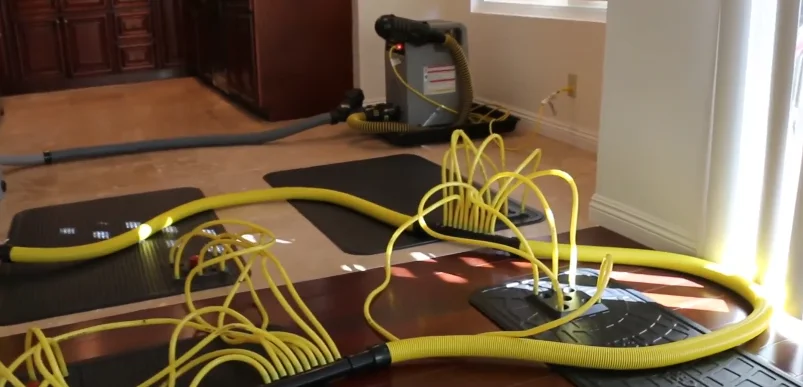
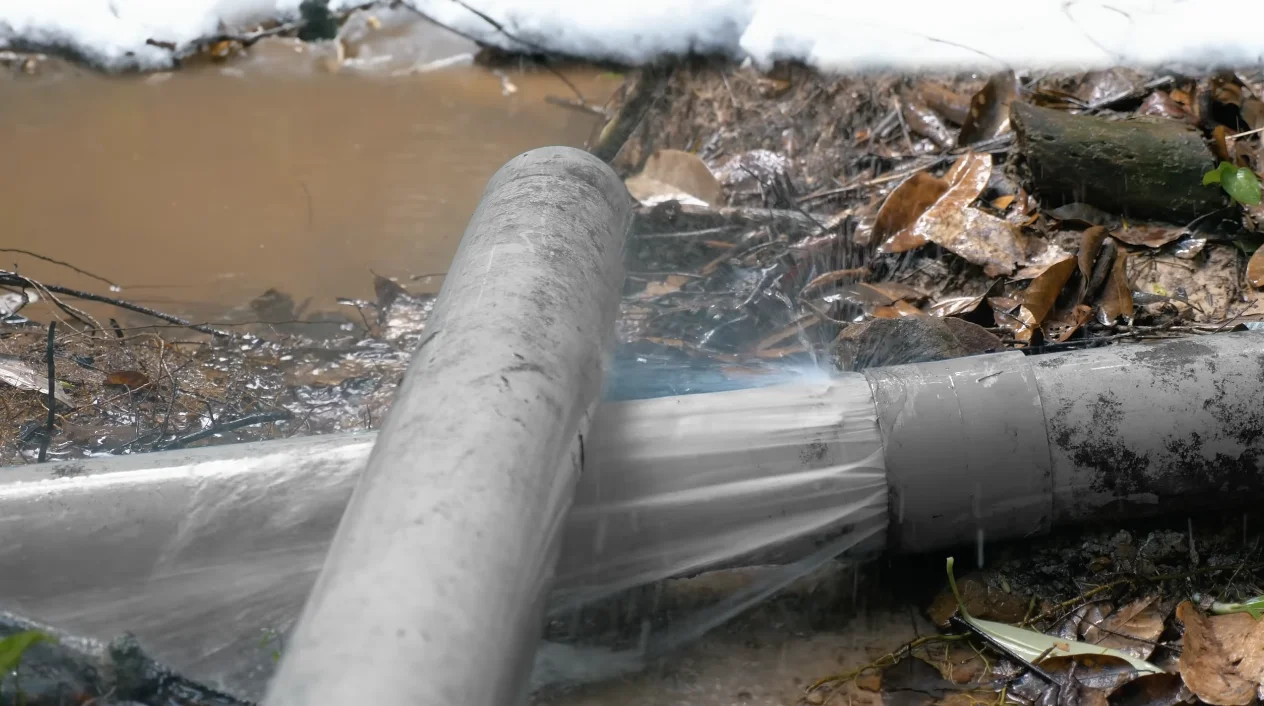
After every major Florida hurricane, thousands of homeowners discover their water damage claim has been denied — not because they lack coverage, but because their insurer classified the loss incorrectly. Understanding this distinction before you call your insurer is the single most valuable thing you can do.
Wind-Driven Rain ✓ Covered by HO-3
Water that enters through an opening created by the storm — breached roof sheathing, shattered window, broken door, torn fascia — is classified as a wind loss. This is covered under your standard HO-3 homeowners policy. The critical element: there must be a storm-created physical opening through which the water entered.
Examples: Rain entering through a roof torn open by wind. Rain entering through a window broken by wind-driven debris. Water entering through a wall where a tree branch punctured the exterior.
Rising Floodwater ✗ Requires Separate Flood Policy
Groundwater that accumulates outside and enters your home at grade level — under doors, through foundation, through weep holes — is flood damage. This is explicitly excluded from standard HO-3 homeowners insurance. It requires a separate NFIP policy or private flood insurance policy.
After Hurricane Ian: Many Cape Coral and Fort Myers homeowners had water in their homes from both sources — wind-driven rain through a roof breach AND rising canal water through the ground floor. Each source was covered by a different policy and required separate claims.
Why This Matters for Your Claim: DryGuard arrives before your insurer and documents the entry point of water intrusion. This cause-of-loss documentation is what determines how your claim is classified. An adjuster doing a quick visual inspection may default to "flood" after a hurricane when the actual entry was through a storm-created roof breach covered by HO-3. Our documentation protects your classification.
Florida Hurricanes and Water Damage: Lessons From Ian and Milton
Hurricane Ian — September 2022
Category 4 landfall near Fort Myers. Storm surge in Cape Coral reached 12–18 feet. The Lee County restoration market remains significantly elevated through 2026 as complex commercial and residential rebuilds continue. Ian produced the defining modern case study for the wind-vs-flood claim classification challenge in Florida.
For Orlando and Central Florida: Ian made landfall as a tropical storm crossing Orange County, producing record rainfall that overwhelmed retention systems and flooded properties that had never flooded before. Lake Nona, southeast Orlando, and the I-4 corridor saw significant stormwater damage from rainfall accumulation.
Hurricane Milton — October 2024
Category 3 landfall near Sarasota. The eye crossed Orange County directly, generating multiple confirmed tornadoes across the Orlando metro area. Damage pattern: wind damage opening roof assemblies followed by sustained rainfall intrusion through the breached structures. Dr. Phillips, Windermere, and Winter Garden saw the heaviest residential impact in the Orlando area.
Milton was particularly significant for the tornado damage pattern — debris puncture of exterior walls and roofs creating multiple simultaneous wind-driven rain entry points on a single structure, complicating documentation but supporting HO-3 coverage on every affected property.
Storm Chaser Warning: What to Watch For After a Florida Hurricane
Within 48–72 hours of any named storm making Florida landfall, out-of-state contractors flood affected communities. After Ian, over 4,000 contractor complaints were filed with Florida's DBPR within 90 days of landfall. Protect yourself:
Unsolicited contractors within hours of a storm. Legitimate local companies are responding to existing customers and incoming calls — they are not door-knocking.
No Florida address, no Florida registration. Verify at MyFloridaLicense.com before any discussion of work.
Any contractor demanding same-day signature on a work authorization is a storm chaser. Reputable companies provide written estimates and give you time to review.
Florida effectively eliminated residential AOB in 2023. Any contractor asking you to sign AOB language in 2026 is operating illegally or using outdated contracts.
Always verify: MyFloridaLicense.com for FL Mold Remediator RC license. iicrc.org for IICRC certification. DryGuard FL Mold License: #MRSR3847.
Hurricane Water Damage FAQ — Florida
Does homeowners insurance cover hurricane water damage in Florida?
Wind-driven rain entering through a storm-created opening — breached roof, shattered window, broken door — is covered under your standard HO-3 homeowners policy as a wind-related loss. Rising water entering from outside requires separate NFIP or private flood insurance. This distinction is the most contested issue in Florida hurricane claims and the most common reason claims are wrongly denied.
What should I do first after hurricane water damage in my home?
Document everything with photos and video before touching anything. Call a licensed restoration contractor before calling your insurer — their cause-of-loss documentation establishes the insurance narrative. Start mitigation immediately; your policy requires it and waiting for adjuster approval is not required. Do not sign anything with out-of-state storm chasers before verifying their Florida license at MyFloridaLicense.com.
How long after a hurricane do I have to file a water damage claim in Florida?
Under Florida Statute §627.70132, you have 1 year from the date of loss to file a new property insurance claim for hurricane damage. Missing this window may forfeit your right to recover. Document damage from day one even if you are not immediately sure whether to file.
What is a storm chaser contractor in Florida?
Storm chaser contractors are typically out-of-state restoration companies that follow hurricanes into affected areas. Warning signs: door-to-door solicitation within 48 hours of a storm, no Florida mold remediator license, pressure to sign immediately, requests for Assignment of Benefits. Verify any contractor's Florida license at MyFloridaLicense.com before signing anything.
Hurricane Water Damage by Florida Region: What to Expect
Central Florida — Orlando Metro
Inland Central Florida typically receives tropical storm to Category 1 winds as hurricanes make landfall on either coast and weaken inland. However, Milton's 2024 track directly over Orange County demonstrated that direct hits with tornado-generating outer bands are possible. The most common Central Florida hurricane water damage mechanism is wind-driven rain through compromised roof assemblies combined with storm drainage system overload from 6–12 inches of rainfall in 12–24 hours.
→ Orlando hurricane water damage responseGulf Coast — Tampa Bay and Southwest FL
Tampa Bay has the highest potential storm surge in the continental US due to the funnel shape of the bay amplifying surge from southwest-tracking storms. Hurricane Ian in 2022 produced 10–18 foot surge in Lee County — the defining modern Florida hurricane water damage event. The surge-flood combination produces simultaneous Category 3 (rising water) and Category 1 (wind-driven rain) water damage at the same property, requiring two separate insurance claims from two separate policies.
Atlantic Coast — Fort Lauderdale to Jacksonville
Florida's east coast faces a different hurricane pattern — typically direct Atlantic tracks that produce significant wind and rain damage without the storm surge levels seen on the Gulf coast. Broward and Palm Beach Counties have experienced multiple significant hurricanes since 2004. The high density of canal-adjacent properties and oceanfront condominiums creates complex multi-party insurance scenarios unique to this market.
Florida Panhandle
The Panhandle faces direct Gulf exposure from western-tracking storms. Hurricane Michael's 2018 Category 5 landfall near Mexico Beach remains the benchmark event for Panhandle construction failure analysis. The combination of extreme wind speeds and storm surge destroyed structures that had been rebuilt after Ivan (2004) and Dennis (2005), demonstrating the cumulative vulnerability of repeatedly storm-damaged housing stock.
Hurricane Season Preparation — Water Damage Prevention Checklist
Florida homeowners have a 6-month window — June through November — to experience a named storm. These preparation steps reduce the likelihood of water damage during any hurricane event:
Loose or missing shingles, cracked tile, and exposed underlayment should be repaired before hurricane season. A $500 roof repair prevents a $15,000 water damage claim.
Blocked gutters cause roof deck saturation and fascia rot that accelerates storm damage. Clean twice per year — before hurricane season and after the leaf fall period.
Check FEMA's Flood Map Service Center for your property's current flood zone designation. Zone AE or VE means you should have NFIP coverage.
Pre-storm photos of your home's interior condition create the baseline for demonstrating storm-caused damage vs. pre-existing conditions to your insurer after an event.
Confirm your HO-3 wind coverage, your mold coverage cap, and whether you have separate NFIP flood insurance. Know your deductible — Florida hurricane deductibles are typically 2–5% of dwelling coverage, not a flat dollar amount.
After a hurricane, the first 24 hours determine your restoration outcome. Having a licensed, local contractor's number saved means you call DryGuard — not a door-to-door storm chaser — the moment you assess damage.
Hurricane Water Damage in Florida? Call DryGuard First.
Local Orlando crew — not out-of-state storm chasers. FL Mold License #MRSR3847. Documentation from hour one for your insurance claim. 24/7 across Orange County.