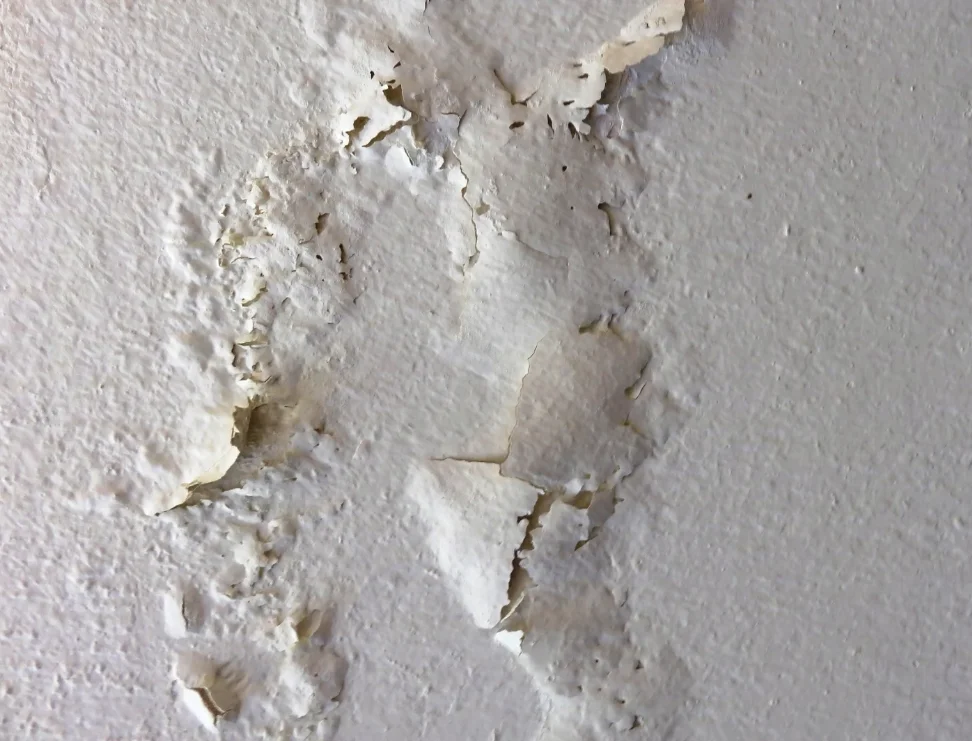
Water Damage Restoration Taft Orlando FL
32824 — Boggy Creek flooding, manufactured homes, rental properties. We reach Taft in ~15 min, 24 hours a day.
- IICRC S500 Certified
- FL Mold Remediator #MRSR3847
- Written Estimate Before Any Work
- 24/7 Emergency Response
Water damage restoration Taft Orlando is complicated by a housing stock unlike most of central Florida — a patchwork of 1960s through 1990s concrete block homes, manufactured and mobile units, and a drainage system that regularly backs up during heavy summer storms. When your property floods, minutes matter.
DryGuard Restoration dispatches from Orlando to Taft around the clock. Our technicians carry LGR dehumidifiers (Low Grain Refrigerant units), truck-mounted extraction equipment, thermal imaging cameras, and pin-type moisture meters on every call. We document everything with Xactimate software so your insurance claim is properly supported from the start.
Marcus D. Rivera, our Lead Restoration Technician and owner, holds IICRC WRT (Water Damage Restoration Technician) certification under the IICRC S500 Standard for Professional Water Damage Restoration. Every job starts with psychrometric monitoring — measuring temperature, relative humidity, and dew point — to build a drying plan that actually works in Orlando's humid climate.
Why Taft's Housing Mix Creates Unique Water Damage Challenges
ZIP code 32824 sits in unincorporated Orange County south of Orlando proper, wedged between Orlando International Airport to the north and Meadow Woods to the south. The Florida Turnpike cuts through the area, but that highway infrastructure also concentrates stormwater. Airport Blvd is a known flooding corridor when Central Florida receives three or more inches of rain in under 24 hours — which happens regularly from June through September.
Concrete block and stucco (CBS) homes from the 1960s and '70s hold up reasonably well against wind, but their age means aging cast-iron or galvanized supply lines that can fail without warning. When those pipes let go inside a wall cavity, Category 1 clean water quickly becomes Category 2 (gray water) as it contacts drywall paper, insulation, and flooring adhesives. The clock starts ticking toward mold the moment water makes contact with organic building materials.
Manufactured and mobile homes are a different story. Many of these structures have wood subfloors, vinyl-over-plywood decking, and particle board cabinetry that absorb water fast and dry slowly. Standard air movers aren't enough — structural wood moisture content must be brought below 19% before reconstruction, and achieving that inside a manufactured home with limited airflow requires targeted negative-pressure drying setups and extended monitoring cycles.
Boggy Creek and the Steffee Ditch Flooding Problem
Taft lies within the Boggy Creek watershed. The Steffee Ditch drainage corridor runs near the OIA flight path, carrying runoff from impervious commercial and airport surfaces into a system that wasn't designed for the volume of a fully developed south Orlando. During significant rain events, that ditch backs up. Properties on lower lots — particularly on the west side of the Turnpike corridor — experience sheet flooding that pushes through garage doors, weep screeds, and foundation joints.
FEMA flood zone maps for 32824 include both Zone AE and Zone X designations. If your property is in Zone AE, your mortgage lender likely required National Flood Insurance Program (NFIP) coverage. Standard HO-3 homeowners policies exclude flood — the source of enormous confusion when homeowners call their insurer after storm flooding. DryGuard helps you understand what category of water event occurred and how to document it properly for whichever claim route applies.
Rental Properties and Deferred Maintenance in Taft
A significant portion of Taft's housing stock is tenant-occupied. That's not a criticism — it's a structural reality that affects how water damage gets discovered and reported. Tenants may not notice a slow roof leak for weeks. A failing water heater in a utility closet can run for days before anyone opens that door. By the time a call comes in, what started as Category 1 clean water has become Category 2 or Category 3 contamination, and the affected area is larger than the visible stain suggests.
Thermal imaging changes that picture. Infrared moisture detection allows us to find water trapped behind walls and under flooring without destructive opening. We map the full extent of saturation before we start drying, which means no hidden pockets get missed and no mold surprise six weeks after "restoration" was supposedly complete.
Florida Statute §627.70131 requires insurers to acknowledge claims within 14 days and pay or deny within 90 days. If you're a landlord dealing with a tenant displacement situation, that timeline matters for your liability. Get documented quickly.
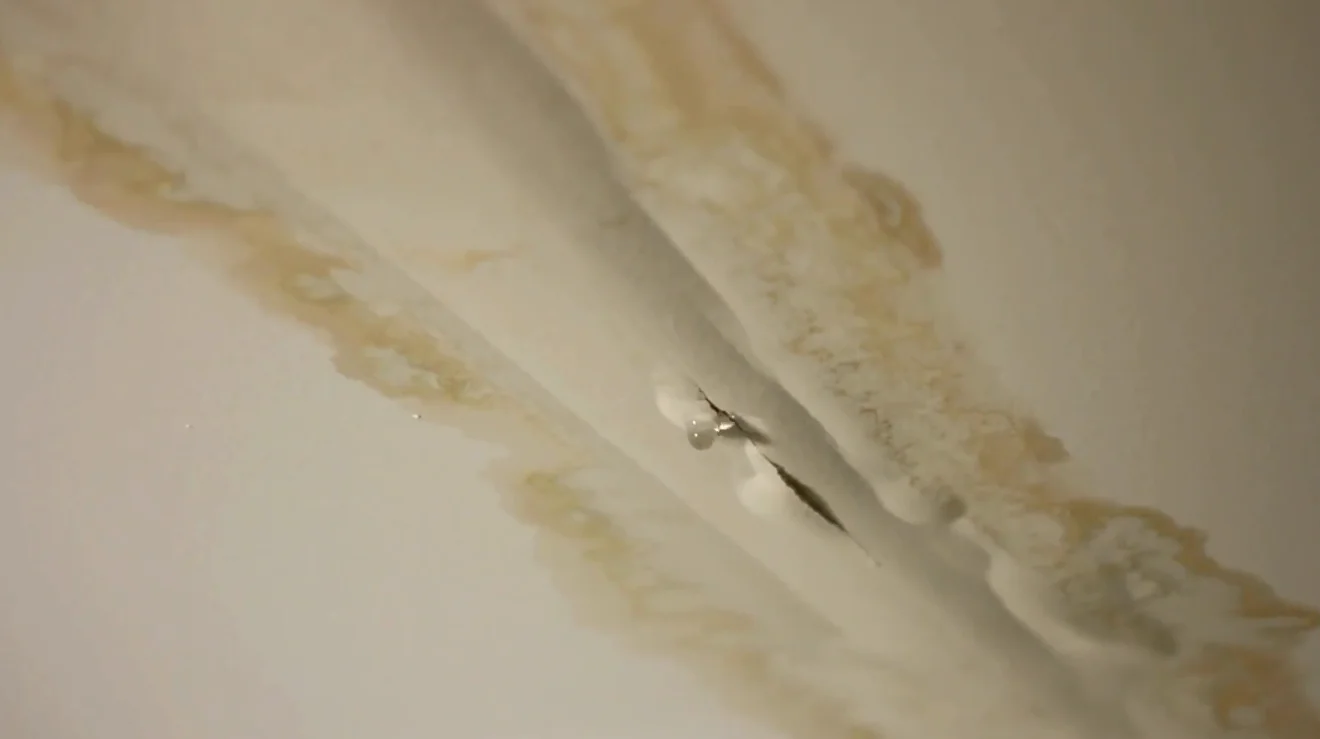
Thermal imaging maps hidden moisture behind walls and subfloors — critical in Taft's older mixed housing stock where visual inspection alone misses most of the damage.
What Happens When DryGuard Arrives in Taft
- Safety assessment — We confirm electrical and structural safety before any team member enters a flooded space. Category 3 contamination (sewage, flood water) requires PPE before entry.
- Water classification — We classify the water source per IICRC S500 guidelines: Category 1 (clean), Category 2 (gray water with contamination potential), or Category 3 (black water). This drives every protocol decision that follows.
- Psychrometric baseline — Temperature, RH, and dew point readings are taken in every affected room. Orlando averages 74–77% RH — we have to measure accurately to set realistic drying targets.
- Extraction — Truck-mounted or portable extraction removes standing water. The faster water leaves, the less secondary damage occurs to subfloors, wall bases, and cabinetry.
- Moisture mapping — Pin and pinless moisture meters combined with infrared thermal imaging identify all wet areas, including hidden saturation behind walls and under floors.
- Drying equipment placement — LGR dehumidifiers and high-velocity air movers are positioned based on the moisture map, not randomly placed. For manufactured homes, we may establish localized drying chambers to overcome limited natural airflow.
- Daily monitoring — We return daily (or as conditions require) to log psychrometric data and adjust equipment. Drying is not a set-it-and-leave-it process.
- Xactimate documentation — Every affected area is photographed, measured, and documented throughout the job for insurance reporting and Xactimate line-item estimates.
- Clearance reading — The job isn't complete until moisture readings confirm structural materials are within acceptable thresholds. We provide written documentation of final readings.
Taft Orlando Water Damage — Frequently Asked Questions
Does homeowners or renters insurance cover water damage in manufactured or mobile homes in Taft?
Coverage depends entirely on your specific policy type. Standard HO-3 homeowners policies are written for site-built homes and typically don't apply to manufactured or mobile homes — those properties require a separate HO-7 (mobile home) policy. Renters in Taft rental properties should check whether their landlord's policy covers the structure only (common) or also includes tenant belongings (rare). DryGuard documents every job with Xactimate software and detailed photographs, which gives you the strongest possible paper trail regardless of which policy you're filing under. Florida Statute §627.70131 sets timelines that your insurer must meet once a claim is filed, so don't delay reporting.
How fast can DryGuard reach a property in Taft, FL?
From our Orlando base at 4121 34th St, Taft is approximately 15 minutes via Florida Turnpike southbound — faster than most restoration companies coming from I-Drive or downtown. We dispatch 24 hours a day, seven days a week, including major holidays. Speed matters because Category 1 water becomes Category 2 after 24–48 hours of contact with contaminated surfaces, and mold colonization can begin within that same window in Florida's climate. Calling immediately — not after you've mopped and waited — is always the right move.
What are the main water damage risks near Orlando International Airport and Boggy Creek in Taft?
Taft's water damage risk is driven by terrain and drainage infrastructure. The Boggy Creek watershed handles runoff from an enormous impervious surface area — including OIA's runways and taxiways, commercial parking structures, and the Florida Turnpike corridor. The Steffee Ditch system wasn't engineered for the full buildout that surrounds it today. During heavy rain events, especially from tropical systems that stall over Central Florida, low-lying Taft properties experience sheet flooding that enters through foundation weep screeds, garage door thresholds, and any cracked masonry. Properties in FEMA Zone AE face the highest exposure; even Zone X properties have seen flooding from concentrated runoff in the Airport Blvd corridor.
Are mold risks higher in Taft's mixed housing stock than in newer neighborhoods?
In practical terms, yes. IICRC guidelines set the mold window at 24–48 hours for warm, humid conditions — exactly what Taft has year-round. Older homes with aged drywall, compromised vapor barriers, and original insulation dry more slowly than newer construction. Manufactured homes present a specific challenge: their particle board cabinetry and vinyl-over-plywood subfloors are high-absorption materials. Rental properties with deferred maintenance often have pre-existing moisture issues that don't show on the surface until a new water event makes them visible. DryGuard uses thermal imaging and pin-type moisture meters to find all of this before drying begins — not after a complaint about smell six weeks later. Florida Statute §468.8411 governs mold remediators in this state; our license number is #MRSR3847.
We Also Serve These Nearby Areas
Water damage in Taft? Call us now — we're 15 minutes away.
IICRC-certified. Written estimate before any work begins. 24/7 emergency dispatch.
(407) 250-7641