Water Damage Restoration Downtown Orlando FL (ZIP 32801)
Serving ZIP 32801
Downtown Orlando's high-rise condominiums, historic apartment buildings, and Lake Eola-adjacent properties create water damage scenarios that are fundamentally different from suburban Orlando. Shared walls, aging water infrastructure, and multi-unit insurance complexity require specialist restoration experience.
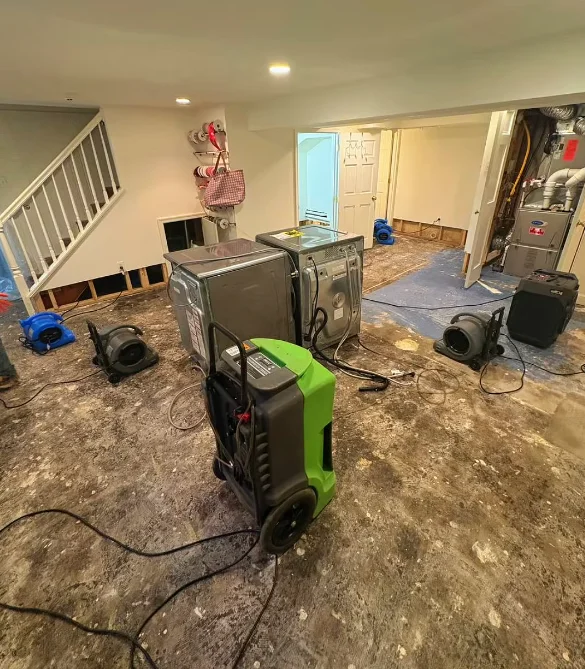
Water Damage in Downtown Orlando, Orlando FL — What Sets This Area Apart
Housing Stock (Pre-1940 to 2020s (High-Rise Era))
ZIP 32801 contains the most diverse housing stock of any Orlando ZIP code — from early 20th century converted commercial buildings around the Central Business District to 2010s luxury high-rise condominiums on Orange Avenue and Rosalind Avenue. The critical restoration factor: high-rise condominiums share water supply and drainage infrastructure across dozens of units. A pipe failure or water heater leak on the 12th floor can affect units on multiple floors below before anyone notices. Water main failures in the aging downtown utility infrastructure beneath Orange Avenue and Central Boulevard affect commercial and residential properties simultaneously.
Local Water Risk
Lake Eola sits at the center of ZIP 32801. Properties on the north and east sides of the lake — Eola Heights, the Lake Eola Heights Historic District — face groundwater elevation during extended rain events. The downtown stormwater system, portions of which date to the 1940s, can experience backflow during major rain events. The combination of impervious surface density (parking garages, commercial buildings, roads) and the underlying lake basin creates faster-than-average runoff accumulation during storm events.
Most Common Damage Sources in ZIP 32801
- High-rise plumbing stack failures — multi-story buildings share risers serving every floor. A single fitting failure can travel down the stack and affect multiple units. Stack pressure testing schedules in older downtown buildings are often deferred.
- Water main breaks — the aging utility infrastructure beneath downtown Orlando has a documented history of water main failures along Orange Avenue, Central Boulevard, and Church Street that affect commercial and residential ground floors.
- Condo-to-condo water migration — the most legally complex water damage scenario in Orlando. Water originating in Unit 12C appearing in Unit 11C raises immediate questions about policy responsibility, HOA coverage, and shared infrastructure ownership.
- Roof membrane failures on mixed-use buildings — flat roof membranes on converted commercial-to-residential buildings in the Thornton Park and Lake Eola Heights adjacent areas are the most common structural water damage source in this ZIP.
24/7 Emergency Response — High-Rise & Condo Access
We access downtown Orlando high-rises with elevator-capable equipment — no truck-mount dependency for upper floors. We coordinate with building management for 24/7 entry. On-site to any downtown address in 10–18 minutes.
Thermal Imaging — Multi-Floor Water Migration Tracing
In downtown condo buildings, water from a 12th floor leak can travel down the wall assembly and appear on the 10th floor. Thermal imaging traces the full vertical and horizontal migration path — critical for multi-unit insurance responsibility determination.
Insurance Docs — Shared Infrastructure Origin Reports
The most important document in a downtown Orlando water event is which unit's plumbing originated the loss. This determines which policy responds — individual HO-6 or HOA master policy. We establish cause-of-loss origin from arrival.
Licensed Mold Remediation — Urban Building Containment
Mold remediation in downtown condos and mixed-use buildings requires containment that prevents spore migration through HVAC systems shared between units. FL Mold License #MRSR3847. Full-building HVAC assessment on every condo remediation.
Cost and Timeline — Downtown Orlando Estimates
Single-unit condo event: $1,200–$3,000. Multi-unit migration event: $3,000–$9,000. Major high-rise stack failure affecting 3+ floors: $9,000–$30,000+. Commercial ground-floor events priced separately. Written estimate before work begins.
Water Damage FAQs for Downtown Orlando Homeowners
Who is responsible for water damage in a downtown Orlando condo — me or the HOA?
It depends on the source and your HOA documents. Generally: water originating inside your unit from your plumbing is your HO-6 claim. Water originating in a shared riser, common-area plumbing, or another unit that damages yours may involve the HOA's master policy. Florida Statute §718.111 governs condo association insurance obligations. The most important step is establishing where the water originated — DryGuard's moisture mapping and source documentation is what makes this determination clear for your adjuster and the HOA.
Can DryGuard access high-rise condominiums in downtown Orlando?
Yes. We work regularly in downtown Orlando high-rises including properties on Orange Avenue, Rosalind Avenue, and the Lake Eola corridor. We carry equipment designed for elevator access — no truck-mount dependency for upper floor units. We coordinate with building management for access and understand parking and loading dock requirements for downtown properties.
What is the most common water damage source in downtown Orlando ZIP 32801?
High-rise plumbing stack failures, aging water main breaks in the downtown utility grid, and condo-to-condo water migration from units above are the three most common sources in ZIP 32801. The shared-infrastructure nature of condo buildings means single failures affect multiple units simultaneously, making rapid response and thorough documentation especially important.
Other Orlando Areas We Serve
Downtown Orlando Water Damage: Condo-Specific Challenges in ZIP 32801
High-rise and mid-rise condominium water damage in downtown Orlando involves legal, insurance, and logistical complexities that simply do not exist in single-family home restoration. DryGuard has specific protocols for each scenario:
Unit-to-Unit Water Migration
The most common downtown Orlando condo scenario: water originating in one unit — from a burst supply line, toilet overflow, washing machine failure, or HVAC condensate overflow — migrates through the floor-ceiling assembly and appears in the unit below. This creates an immediate legal question (who is responsible?), an insurance question (whose policy covers the damage to the lower unit?), and a logistical question (how do you dry both units simultaneously?).
Under Florida Statute §718.111, the association's master policy covers common elements and sometimes the original installed fixtures. The individual unit owner's HO-6 policy covers personal property and typically unit-specific improvements. DryGuard's documentation establishes the water entry point and migration path to allow both policies to be claimed correctly.
High-Rise Plumbing Stack Events
Multi-story downtown buildings share vertical plumbing risers that serve multiple floors. A failure in the shared riser — typically at a gate valve, cleanout, or lateral connection — can simultaneously affect 3–8 floors below the breach point as water travels down the stack and through slab penetrations. These events require coordinating access to multiple units, often through building management, and deploying equipment across multiple floors simultaneously.
DryGuard carries equipment designed for elevator access — air movers and dehumidifiers that can be transported through standard elevator doors — and understands the building management protocols required for access to occupied upper-floor units in downtown Orlando buildings including The Vue, Star Tower, and the Thornton Park adjacent mid-rises.
The Lake Eola Area Housing Mix — What DryGuard Finds in ZIP 32801
ZIP 32801 is one of the most diverse housing markets in all of Orange County in terms of construction era and type. Each area has distinct water damage risk profiles:
Lake Eola Heights Historic District
1920s–1940s bungalows and craftsman homes on Eola Drive, Hillcrest Street, and the surrounding blocks. Original cast-iron drain lines, early copper supply lines, and wood-frame construction with real plaster walls. Water migration behaves differently in plaster than in modern drywall — it travels further horizontally before causing visible damage.
Central Business District Conversions
Former commercial buildings converted to residential lofts along Orange Avenue, Church Street, and Central Boulevard. Flat roof membranes on these buildings are the primary water damage risk, combined with aging cast-iron drain stacks and the water pressure dynamics of converted commercial water supply systems.
New High-Rise Condominiums
2000s–2020s towers along Rosalind Avenue, South Orange Avenue, and the Eola Park corridor. Modern construction but high-density plumbing shared across dozens of units. HVAC condensate systems serving each unit's individual air handler are the most common water damage source in new construction high-rises.
Thornton Park Adjacent (32801 Border)
The streets immediately north of Lake Eola bordering Thornton Park share the 1920s–1950s construction profile of both neighborhoods. Pier-and-beam construction is present in this area — crawl spaces in a downtown-adjacent area are less common but do exist and create unique moisture management challenges.
Water Damage in Downtown Orlando? High-Rise Specialists Available 24/7.
DryGuard handles condo-to-condo water damage, high-rise stack failures, and Lake Eola area restoration in ZIP 32801. IICRC-certified, FL Mold License #MRSR3847.