Structural Drying Services Orlando FL
LGR Dehumidifiers · Injectidry Systems · Psychrometric Monitoring
DryGuard Restoration provides IICRC S500-certified structural drying throughout Orlando using LGR dehumidifiers, high-velocity air movers, injectidry wall systems, and psychrometric monitoring. We document every moisture reading for your insurance claim and reach dry standard in 3–5 days or sooner — regardless of Orlando's 74–77% ambient humidity.
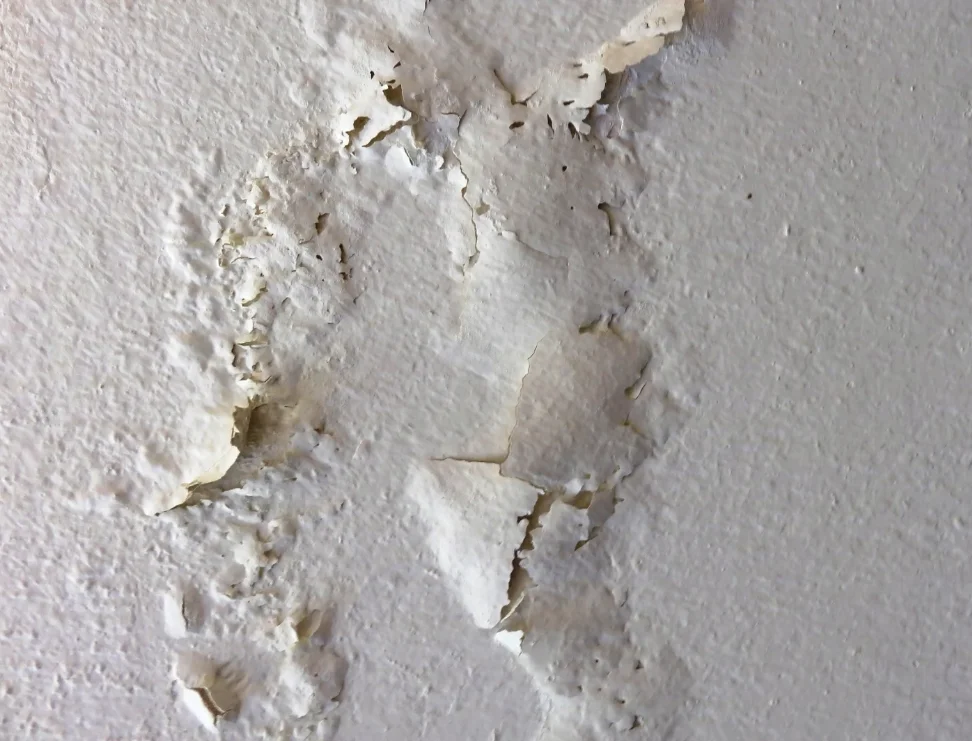
Why Structural Drying Requires Professional Equipment in Orlando
Orlando's ambient relative humidity averages 74–77% year-round, spiking to 85–90% during the June–September rainy season. At these humidity levels, simply opening windows and running box fans will not dry a water-damaged structure — the outside air introduces more moisture than it removes. Professional structural drying uses a closed-system approach: LGR dehumidifiers extract moisture from the air while high-velocity air movers evaporate moisture from structural surfaces, creating a controlled drying environment regardless of outdoor conditions.
Under IICRC S500, Category 1 clean-water losses must reach dry standard within 3–5 days to prevent secondary damage. In Orlando's climate, achieving that window without professional LGR equipment is extremely difficult. Every day beyond 48–72 hours increases the risk of Class 1 surface mold developing on drywall paper face, wood framing, and subfloor sheathing — adding mold remediation costs under IICRC S520 to an otherwise straightforward water loss.
IICRC S500 Drying Classes — What They Mean for Your Home
The IICRC classifies structural water losses into four classes based on how much of the building materials are saturated and how difficult they are to dry:
Least Severe
Damage confined to part of one room. Materials have low porosity (vinyl flooring, sealed concrete). 1–2 dehumidifiers, 2–4 air movers typical. Dry time: 2–3 days.
Significant
Entire room affected, moisture wicked into walls up to 24 inches. Wet carpet, pad, and drywall. Requires wall cavity drying. Dry time: 3–5 days typical.
Greatest Evaporation
Water from overhead (ceiling leak, roof failure) saturating ceilings, walls, insulation, and subfloor. Maximum equipment density required. Dry time: 5–7+ days.
Specialty Drying
Low-porosity materials — hardwood, plaster, concrete, crawl spaces. Extended dry time with humidity maintained below 40% RH at the material surface. Dry time: 7–10+ days.
Our 9-Step Structural Drying Protocol
Psychrometric Assessment
Baseline readings: ambient temperature, relative humidity, dew point, and material moisture content using calibrated Tramex and Delmhorst meters. Determines equipment type and quantity per IICRC S500 calculations.
Moisture Mapping
Floor plan sketch with all moisture readings marked. FLIR thermal imaging reveals hidden moisture behind tile, under flooring, and inside ceiling cavities. Documents full scope for insurance adjusters.
Controlled Demolition
Cat 2/3 losses require removal of affected porous materials before drying. Flood cuts 12–18" above water line, wet insulation removed, saturated flooring extracted. Materials contaminated by sewage cannot be dried in place.
LGR Dehumidifier Placement
LGR units process 60–100 pints per day even at 30–40% RH where conventional dehumidifiers fail. Sized per IICRC: one unit per 500–800 sq ft affected. Condensate drains to exterior or monitored collection tanks.
Air Mover Deployment
Axial and centrifugal air movers placed perimeter-first: one per 50–70 linear feet of baseboard at 45° angle. Class 3 losses with wet ceilings get overhead air movers to create complete drying vortex.
Injectidry Wall Cavity
1.5" access holes drilled between studs above baseboard trim. Injection nozzles drive warm dry air through the cavity; exit holes at top exhaust humid air. Eliminates wall opening in many Class 2 losses.
Floor Mat Drying
Airtight mat over hardwood or tile creates a vacuum chamber. Unit draws moisture up through the flooring from the subfloor cavity below — critical for Orlando's tile-over-wood-subfloor construction.
Daily Monitoring
Every 24 hours: psychrometric readings at all monitoring points logged by location, time, and tech ID. Tracks ambient temp, RH, dew point, and material MC. Insurance adjusters can verify dry standard was achieved.
Final Clearance
Equipment removed only when all materials reach dry standard: wood framing ≤19% MC, drywall ≤1% above pre-loss reference, concrete ≤4.0% CM. Final readings documented alongside baseline in Xactimate report.
Structural Drying Equipment DryGuard Uses
LGR Dehumidifiers
Dri-Eaz LGR 7000XLi and Phoenix R175 — 60–100 pints/day capacity even at low ambient RH where standard dehumidifiers lose efficiency.
Axial & Centrifugal Air Movers
Dri-Eaz Velo Pro for large open areas; centrifugal units for wall cavities and tight spaces. Placed per IICRC S500 placement guidelines.
Injectidry Systems
Wall and ceiling cavity drying without demolition — positive pressure drives warm dry air through cavities via 1.5" access holes.
Floor Mat Drying Systems
Sub-floor drying under hardwood and tile — sealed vacuum chamber draws moisture through the flooring from below.
FLIR Thermal Cameras
Hidden moisture detection behind tile, under flooring, and inside ceiling cavities that pin meters cannot reach.
Tramex & Delmhorst Meters
Calibrated non-invasive Tramex meters for drywall, concrete, and tile; Delmhorst pin meters for direct wood moisture content readings.
Structural Drying and Your Florida Insurance Claim
Florida HO-3 policies cover sudden and accidental water damage from internal sources. DryGuard's complete structural drying documentation — daily moisture maps, psychrometric logs (temperature, relative humidity, grains-per-pound), and a final Xactimate report — gives your adjuster everything needed to approve scope and equipment charges without a reinspection. Florida law requires insurers to respond to your claim promptly; our documentation is formatted to eliminate the adjuster's reasons to request additional information or dispute line items.
We work directly with all major carriers including Citizens Property Insurance, Universal Property, and Heritage Insurance. Our drying reports are formatted to Xactimate standards recognized by insurance adjusters. All materials removed during controlled demolition are documented with photographs and measurements for reconstruction estimates.
Structural Drying FAQs — Orlando FL
How long does structural drying take in Orlando?
Most residential structural drying in Orlando takes 3–5 days under IICRC S500 protocol. Orlando's high humidity (average 74–77% RH) means we rely heavily on LGR dehumidifiers rather than open-window ventilation. Large Class 3 or 4 losses — saturated framing, subfloor, or concrete slab — can extend to 7–10 days. We check psychrometric readings every 24 hours and remove equipment only when materials reach documented dry standard.
What equipment do you use for structural drying?
We deploy LGR dehumidifiers (Dri-Eaz LGR 7000XLi and Phoenix R175 processing 60–100 pints/day), high-velocity axial and centrifugal air movers, injectidry wall cavity systems, and floor mat drying systems. Equipment is sized to IICRC S500 calculations: one dehumidifier per 500–800 sq ft of affected space, and one air mover per 50–70 linear feet of baseboard.
Do you monitor drying progress with daily readings?
Yes. We take and record daily moisture readings using calibrated pin meters and non-invasive thermal hygrometers. Readings cover surface RH, material moisture content (wood framing, drywall, concrete), ambient temperature and dew point. All readings are logged in our Xactimate drying report, which becomes part of your insurance claim documentation.
Can walls and floors be dried without demolition?
Often yes, using injectidry systems and floor mat drying. We drill small 1.5-inch access holes into wall cavities and inject warm dry air to evacuate moisture without opening the walls. However, if moisture readings indicate Category 2 or 3 contamination, or if mold is already present, controlled demolition is required before drying begins.
Related Services
Neighborhoods We Serve
DryGuard provides IICRC S500-certified structural drying throughout Orlando and Orange County:
Need Structural Drying in Orlando? Call Now.
DryGuard deploys IICRC S500-certified structural drying equipment to all of Orlando and Orange County 24/7. LGR dehumidifiers, injectidry, psychrometric monitoring. Written estimate before work begins.