Water Extraction Services Orlando FL
Professional Water Removal — Truck-Mounted & Portable
Water extraction is the first and most time-critical step in water damage restoration. DryGuard deploys truck-mounted extraction equipment capable of removing hundreds of gallons per hour from flooded floors, saturated carpet, subfloor assemblies, and structural cavities. In Orlando's 74–77% ambient humidity, bulk water removal within the first 1–4 hours dramatically reduces total restoration cost and eliminates the conditions for mold growth within 24–48 hours.
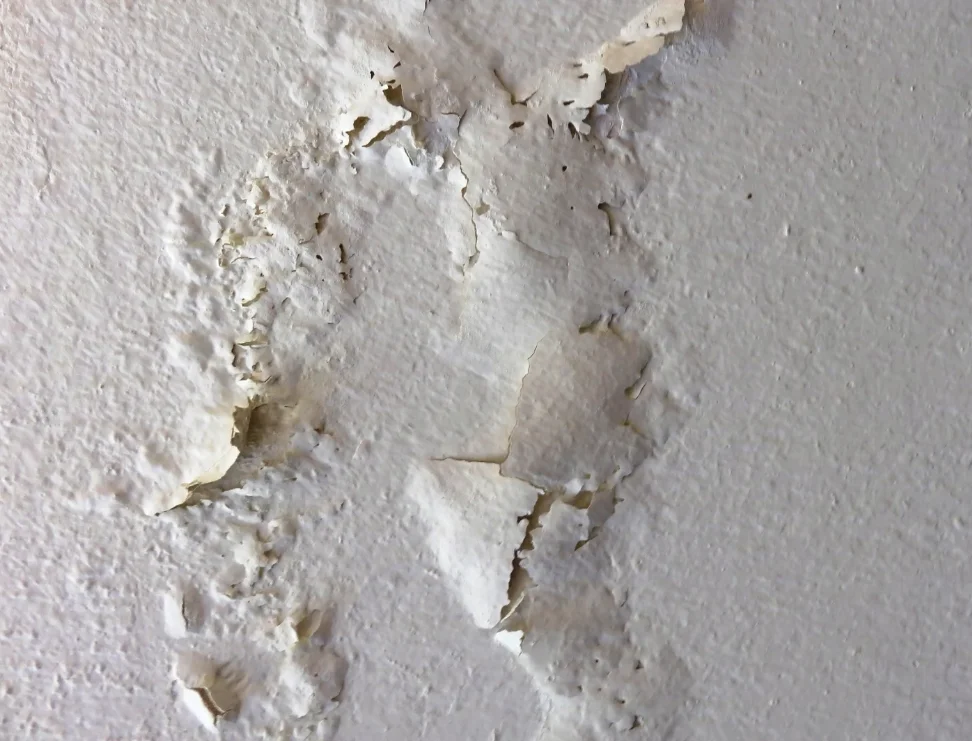
How Professional Water Extraction Works — Step by Step
Moisture Mapping
Before extraction begins, DryGuard uses thermal imaging cameras and pin moisture meters to map all affected areas — including water that has migrated behind walls, beneath tile, and under subfloor assemblies. You cannot extract what you have not found.
Standing Water Removal
Truck-mounted extraction removes standing water from hard floors at 150–200 gallons per hour. Submersible pumps are deployed for deep flooding events. All extracted water is discharged from the property — not into adjacent rooms or drain areas.
Carpet and Pad Extraction
Weighted extraction wands and carpet extraction tools remove water from carpet fibers and foam backing. Carpet padding absorbs 10x its weight in water — we assess salvageability and remove pad when necessary to allow subfloor drying.
Structural Cavity Extraction
Water behind drywall, in wall cavities, and under tile requires different extraction tools — flex hose attachments, wall cavity probes, and sub-surface extraction mats. DryGuard's equipment accesses all affected cavities without unnecessary demolition.
Drying Equipment Setup
After extraction, IICRC-calibrated air movers and LGR dehumidifiers are placed per IICRC S500 drying chamber principles. DryGuard returns daily to measure moisture readings and adjust equipment placement until all readings reach the dry standard for each material type.
Documentation and Sign-Off
Every extraction and drying session is documented with time-stamped moisture readings, equipment logs, and photographic evidence. This documentation package supports your insurance claim and establishes that the structure was dried to IICRC standard — not just visually dry.
Why Consumer Equipment Fails in Florida's Humidity
Florida's average ambient relative humidity of 74–77% creates a critical challenge for water damage drying that does not exist in drier climates. When structural materials — drywall, framing, subfloor, carpet backing — absorb water in a 74% RH environment, evaporation from the materials is essentially zero without forced air movement and active dehumidification. Consumer wet/dry vacuums remove surface water only. They leave behind moisture that the ambient air cannot evaporate fast enough to prevent mold, which begins colonising porous materials within 24–48 hours in Florida's humidity.
DryGuard's truck-mounted extractors operate at 120–200 inches of water lift — removing water from carpet backing, foam padding, wood subfloor, and wall board that consumer equipment cannot access. Paired with LGR (Low Grain Refrigerant) dehumidifiers that operate efficiently in Florida's high-humidity conditions, professional extraction and drying can bring structural moisture from 40–60% content down to the 12–15% standard for wood, and 0.2–0.4% for concrete and masonry, within 3–5 days.
The Cost of Delay
Every hour standing water remains in an Orlando structure increases the cost of restoration:
- Hour 1–4: Water migrates through flooring layers and into wall cavities. Carpet padding and drywall paper face begin absorbing.
- Hour 4–24: Drywall gypsum begins softening and swelling. Wood subfloor starts cupping. No mold yet in most cases.
- Hour 24–48: Mold spore germination conditions are met in saturated porous materials at Orlando's ambient RH. Mold remediation costs begin.
- Day 3–7: Structural wood framing begins swelling and warping. Secondary damage costs escalate rapidly.
Water Extraction Equipment DryGuard Uses
Truck-Mounted Extractor
Gasoline or diesel-powered truck-mounted units provide 150–200 CFM of vacuum lift — far more powerful than any portable equipment. Used for high-volume extraction in large floor areas, flooded rooms, and events with significant standing water depth.
Portable Extraction Units
Self-contained extraction units used in upper-floor locations, elevator-served buildings, and areas where the truck unit cannot be positioned within hose distance. DryGuard carries portable units on all service vehicles.
Sub-Surface Extraction Mats
For tile and hardwood floors, sub-surface drying mats create a sealed vacuum zone beneath the finished surface, drawing moisture from the mortar bed, adhesive layer, and subfloor without tearing up the surface material.
LGR Dehumidifiers
Low Grain Refrigerant dehumidifiers remove 100–180 pints of water per day from the air during the structural drying phase. These industrial units operate effectively at the lower grain humidity levels achieved by forced-air drying — standard dehumidifiers lose efficiency at these levels.
Axial and Centrifugal Air Movers
High-velocity air movers are positioned at calculated intervals to create airflow across affected surfaces, accelerating evaporation from saturated materials. DryGuard places air movers per IICRC S500 placement guidelines — not by visual approximation.
Water Extraction FAQs — Orlando FL
How does water extraction work?
Water extraction uses powerful vacuum equipment — truck-mounted extractors capable of 150–200 CFM or portable units for confined spaces — to remove standing and absorbed water from floors, carpets, subflooring, and structural cavities. The process begins with a moisture mapping assessment using infrared thermal cameras and pin moisture meters to locate all affected areas. Extraction is performed in a systematic pattern, with multiple passes over saturated materials. Extraction alone does not dry a structure — it removes bulk water, after which industrial air movers and dehumidifiers complete the drying process over 3–5 days.
How long does water extraction take in an Orlando home?
Initial water extraction in a typical Orlando home takes 2–6 hours depending on the volume of water and the number of affected rooms. A single-room supply line event may extract in 1–2 hours. A multi-room flood event or a scenario where water has penetrated beneath tile or subfloor can take 4–8 hours for complete bulk extraction. Structural drying then continues for 3–5 days with monitoring visits.
Can I do my own water extraction in Orlando?
Wet/dry shop vacuums remove surface water only — they do not extract water from carpet backing, foam padding, subfloor assemblies, or wall cavities. In Florida's 74–77% ambient humidity, water absorbed into structural materials will cause mold within 24–48 hours if not extracted and dried by equipment powerful enough to remove moisture from within the materials. Consumer wet/dry vacs are suitable for small spills but not for any water event large enough to require professional intervention.
Does insurance cover water extraction in Florida?
Yes — water extraction is a covered remediation service under standard HO-3 homeowners insurance for sudden and accidental water events. The extraction service, equipment charges, moisture monitoring, and drying equipment rental are all documented by DryGuard and submitted as part of the total loss for insurer reimbursement. DryGuard works directly with your insurer's adjuster and uses standard Xactimate pricing for all documented services.
Related Services
Neighborhoods We Serve
DryGuard dispatches water extraction equipment to every corner of Orlando and Orange County:
Standing Water in Your Orlando Home? Call Now.
DryGuard deploys truck-mounted water extraction equipment to all of Orlando and Orange County 24/7. IICRC S500 certified. Written estimate before work begins.