Black Mold Removal Orlando FL — Licensed Mold Remediator
Black mold in an Orlando home grows faster than anywhere else in the continental US — 48–72 hours after water contact in Florida's 74–77% humidity. Florida law requires a licensed mold remediator (§468.8411). DryGuard holds FL Mold Remediator License #MRSR3847.
Black Mold in Orlando Homes: What You Need to Know Before You Call Anyone
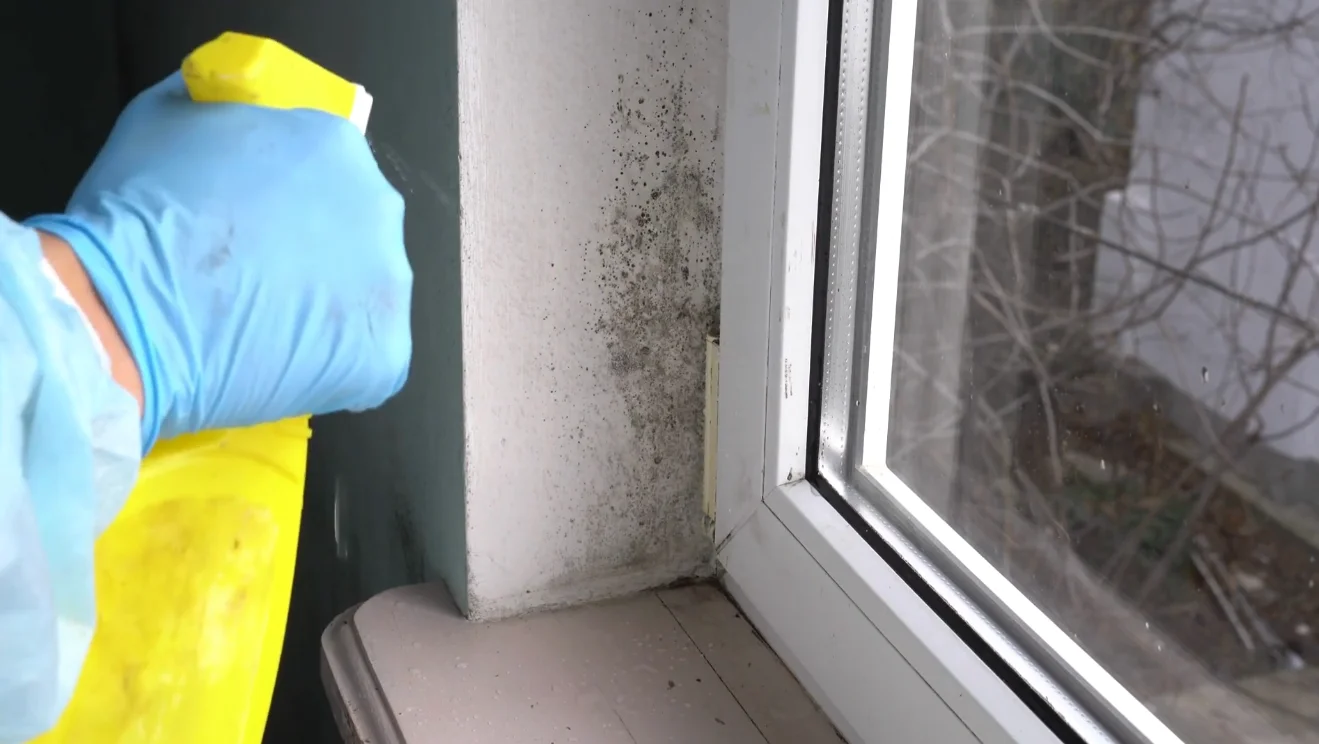
The term "black mold" is used colloquially to describe Stachybotrys chartarum, a species of mold known for its dark green-black appearance and association with sustained water damage on cellulose materials. However, any dark-colored mold growing after water damage — including Cladosporidium, Aspergillus niger, and Penicillium — is visually indistinguishable from Stachybotrys without laboratory testing. All of these require the same response: removal, not surface treatment.
The Florida Difference
Orlando's 74–77% year-round ambient humidity means mold that would take 7–10 days to become visible in drier climates can produce visible colonies in 48–72 hours. Mold behind walls, in ceiling cavities, and under flooring can establish significant growth without any visible surface sign — especially after AC condensate events that wet insulation for weeks before a surface stain appears.
Florida Law Requires a Licensed Mold Remediator
Under Florida Statute §468.8411, any mold remediation work in Florida must be performed by a licensed mold remediator holding an MRSR license. This is not optional and it is not satisfied by hiring a general handyman, a painter, or an unlicensed "mold removal" service. Unlicensed mold work creates serious legal and liability issues for Florida property owners:
Insurance Claim Risk
Mold remediation performed by an unlicensed contractor may void the mold portion of your insurance claim. Some Florida carriers specifically require licensed remediation documentation as a condition of the $10,000 mold coverage under §627.714.
Disclosure Risk at Resale
Florida requires disclosure of known material defects at property sale. Mold remediation by an unlicensed contractor that leaves documentation gaps can create disclosure complications and legal liability when you sell.
Remediation Failure Risk
Surface bleach treatment of mold — the unlicensed approach — kills surface cells but does not remove the dead mold material from the substrate. Dead mold spores are still allergenic. IICRC S520-compliant remediation removes the affected material entirely.
DryGuard FL Mold Remediator License: #MRSR3847. Verify at MyFloridaLicense.com.
DryGuard Black Mold Removal Process
Full PPE Entry
Tyvek suits, N95 respirators, nitrile gloves. Negative air pressure containment established before disturbing any mold material.
HEPA Air Scrubbing
HEPA-filtered air scrubbers run continuously during removal, capturing airborne spore fragments released during remediation.
Affected Material Removal
Mold-affected drywall, insulation, and other porous materials are removed to clean substrate and bagged for disposal.
Antimicrobial Treatment
EPA-registered antimicrobials applied to all non-porous surfaces in the remediation zone with documented dwell times.
Clearance Testing
Post-remediation surface and air sampling verifies spore counts are within acceptable thresholds before containment removal.
→ Full licensed mold remediation services — DryGuard Orlando
Frequently Asked Questions
Is black mold dangerous?
All mold species produce mycotoxins and allergens that can cause respiratory symptoms, eye irritation, skin reactions, and in immunocompromised individuals, more serious health effects. Stachybotrys chartarum (the species most commonly called black mold) is associated with higher mycotoxin production than many other species. The health risk level depends on the species, concentration, exposure duration, and the health status of the people in the home. Do not attempt to identify mold species by appearance — get laboratory testing and treat any mold growth as a health concern.
Can I remove black mold myself in Florida?
Under Florida Statute §468.8411, mold remediation in Florida must be performed by a licensed mold remediator (MRSR license). Unlicensed mold removal is illegal and creates insurance and disclosure liability at property sale. Additionally, DIY surface bleach treatment kills visible mold cells but does not remove the allergenic material from the substrate and typically fails to address the hidden mold that exists beyond the visible colony.
How much does black mold removal cost in Orlando?
Mold remediation cost in Orlando ranges from $1,500–$3,500 for a minor single-room event to $8,000–$25,000+ for extensive growth behind walls, in attic insulation, or in a crawlspace. The most critical cost variable is how long the mold has been growing — early remediation is always substantially less expensive than remediation after weeks or months of hidden growth.
Where Black Mold Grows in Orlando Homes — and Why It Grows So Fast
Florida's climate creates mold growth conditions that exist for 10–11 months of the year. Understanding where mold establishes fastest in Central Florida homes helps you recognize early warning signs before a surface colony becomes a structural remediation project.
Ceiling Cavities After AC Condensate Events
The most common location for significant mold growth in Orlando homes. When a condensate drain line overflows into the ceiling cavity, it saturates blown-in insulation that retains moisture for weeks. The insulation acts as a reservoir, keeping the drywall paper continuously wet long after the overflow source is fixed. Dark, humid, 85–95°F attic temperatures combine with sustained moisture to produce Stachybotrys growth within 3–7 days of the initial overflow event.
Behind Bathroom Tile and Grout
Florida tile floors and shower surrounds develop grout failures within 5–8 years as thermal cycling from year-round HVAC operation opens hairline cracks in grout lines. Water migrating through failed grout reaches the cement board or drywall backer behind the tile — a persistently damp environment that supports Penicillium and Aspergillus growth invisibly, behind surfaces that appear completely intact from the outside.
Crawl Spaces and Pier-and-Beam Foundations
Historic neighborhoods throughout Orlando — College Park, Thornton Park, the Milk District, Winter Park's older streets — have substantial pier-and-beam housing stock where a crawl space sits directly beneath the living area. Florida's water table creates persistently humid crawl space conditions. Mold growth on floor joists and subfloor decking in these spaces directly affects indoor air quality on the floors above through the stack effect.
Inside Wall Cavities After Plumbing Events
When a supply line fails inside a wall cavity — the toilet supply running through a stud bay, the kitchen supply lines inside the cabinet walls — water saturates the insulation and drywall paper on both faces of the cavity simultaneously. Interior wall cavities in Florida rarely dry on their own: the dark, still, humid interior stays at or above 60% RH essentially indefinitely without active drying equipment, sustaining continuous mold development.
Health Effects of Mold Exposure — What Florida Homeowners Should Know
The health effects of mold exposure depend on the species present, the spore concentration, the duration of exposure, and the health status of the individuals in the home. This is a factual overview — if you suspect current exposure, the correct response is remediation, not prolonged assessment.
Coughing, wheezing, nasal congestion, throat irritation, and exacerbated asthma are the most common presentations from mold-contaminated indoor environments. Symptoms typically improve when occupants leave the affected building.
Mold spores and mycotoxins can cause conjunctivitis, skin rashes, and in sensitive individuals, contact dermatitis. These reactions are often mistaken for seasonal allergies, delaying investigation of the mold source.
Infants, elderly individuals, those with asthma or allergies, and immunocompromised individuals face higher health risks from mold exposure at any concentration. Homes with these occupants warrant immediate remediation response.
If you notice mold-related symptoms that improve when you leave home, call a licensed mold remediator (FL MRSR license required) for assessment. DryGuard holds FL Mold Remediator License #MRSR3847 — verify at MyFloridaLicense.com.
Source: EPA Mold Health Effects guidance | CDC Mold FAQs
→ Full licensed mold remediation services — IICRC S520 protocol
Black Mold in Your Orlando Home? Licensed Removal — Call Now.
DryGuard holds FL Mold Remediator License #MRSR3847. IICRC S520 protocol, HEPA air scrubbing, insurance documentation. Serving all Orlando and Orange County 24/7.