Key takeaways
- Florida requires a licensed mold remediator for paid remediation of 10 square feet or more of mold.
- Below 10 square feet you can clean it yourself, unless the mold is in the HVAC, came from sewage, or someone in the house is at higher risk.
- Many Florida homeowners policies cap mold coverage, often at around $10,000, and only when it follows a covered water loss.
After a leak, a lot of Orlando homeowners spot a gray-green patch on the drywall and ask the same thing: when is mold remediation required in Florida, and when can I just clean it myself? Florida is one of the few states with a specific mold licensing law, and it gives a fairly clear answer.
This guide covers what the law says, the situations where professional mold removal makes sense even when the law doesn’t demand it, and how insurance fits in.
Florida Mold Remediation Law: The 10 Square Foot Line
Florida licenses mold assessors and mold remediators under Chapter 468, Part XVI of the Florida Statutes. In plain terms:
- Anyone who is paid to remediate mold covering 10 square feet or more must hold a Florida mold remediator license.
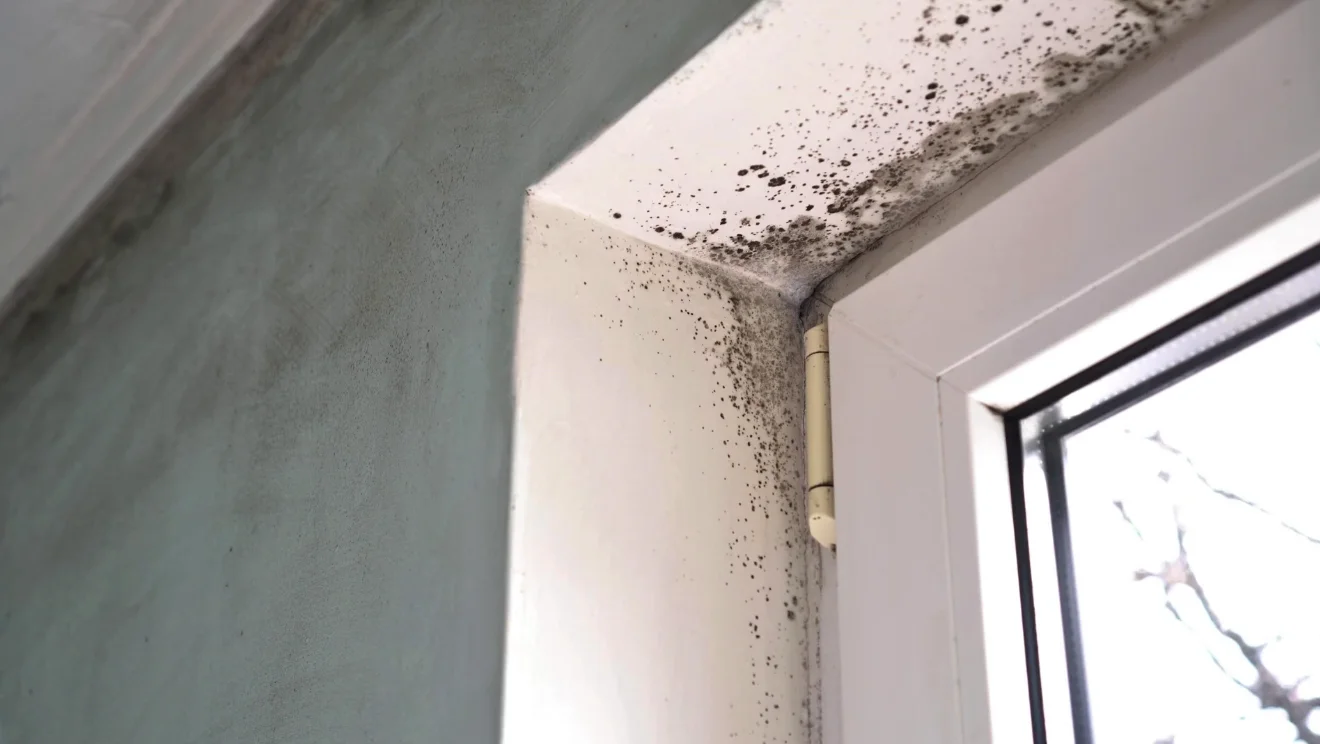
- Areas under 10 square feet are exempt from the licensing requirement. That is roughly a 3 ft by 3 ft patch.
- The law also keeps assessment and remediation separate: the same licensee generally can’t both test a job and then be paid to remediate it, so the person telling you how much mold you have isn’t the one profiting from removing it.
The 10 square foot figure lines up with long-standing EPA guidance, which says homeowners can usually handle small areas themselves and should bring in professionals for larger ones.
Measure all of it. Ten square feet counts total affected area, not one spot. Three patches of 4 square feet behind a vanity add up to 12, which is over the line.
When Professional Mold Removal Is Needed (Even Under 10 sq ft)
The law sets the minimum. These situations call for a professional regardless of size:
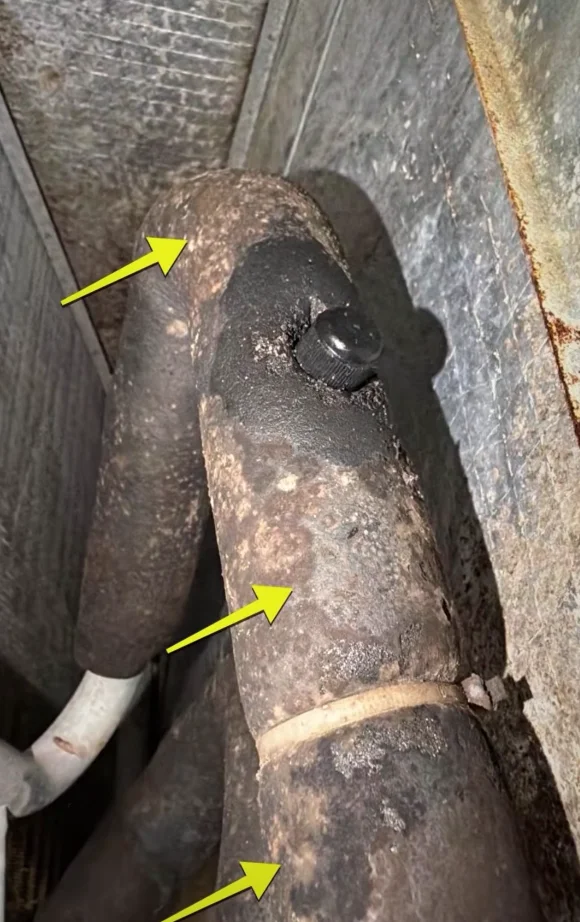
- Mold in the air conditioning system or ductwork. The system spreads spores to every room. Orlando homes run AC most of the year, so this matters here.
- Mold after sewage or floodwater (Category 3 water). The mold is only part of the contamination. See our page on Category 3 black water.
- Mold you can smell but can’t see. A musty odor with no visible growth usually means mold inside a wall, under a floor, or in an attic.
- Someone at higher health risk lives in the house: infants, older adults, anyone with asthma, allergies, or a weakened immune system.
- The mold keeps coming back. That means the moisture source hasn’t been fixed, and cleaning alone won’t solve it.
Who Is Allowed to Do Mold Remediation in Florida
Homeowners can work on their own property. Anyone you pay for 10 square feet or more needs the state license, which you can verify on the Florida DBPR license lookup. A general contractor, handyman, or carpet cleaner without that license shouldn’t be quoting a large mold job.
A proper remediation follows the IICRC S520 standard: containment with plastic and negative air pressure so spores don’t spread, removal of porous materials that are growing mold, HEPA vacuuming, cleaning of what can be saved, and drying the structure so the moisture is gone. DryGuard holds Florida Mold Remediator License #MRSR3847.
Renters, Landlords, and Home Sales
- Renters: Florida landlords must keep rental homes in line with building, housing, and health codes. If a leak caused the mold, report it in writing and keep a copy.
- Landlords: Fix the moisture source first. Painting over mold rarely survives an Orlando summer.
- Selling a home: Florida sellers must disclose known defects that materially affect the value of the property. Known mold and past water damage are worth disclosing and documenting.
What Insurance Pays for Mold in Florida
Florida homeowners policies usually cover mold only when it results from a covered water loss, like a sudden pipe burst. Mold from long-term humidity, slow leaks, or poor maintenance is typically excluded. Many policies also cap mold at a set amount, commonly around $10,000, sometimes with an option to buy more. Check the mold or “fungi” section of your policy and the limit on your declarations page.
The quicker water is dried, the less likely mold becomes part of the claim at all. In Orlando humidity, mold can start within 24 to 48 hours on wet drywall.
How to Handle Small Mold Yourself, Safely
If the area is under 10 square feet, on a hard surface, and none of the warning signs above apply:
- Fix the water source first.
- Wear an N95 mask, gloves, and eye protection. Open a window and keep the room’s door closed.
- Scrub hard surfaces with detergent and water. Bleach isn’t needed and doesn’t soak into porous material.
- Throw away porous items that are moldy, like ceiling tiles or carpet pad, in sealed bags.
- Dry the area completely and watch it for two weeks. If it returns, call a licensed remediator.
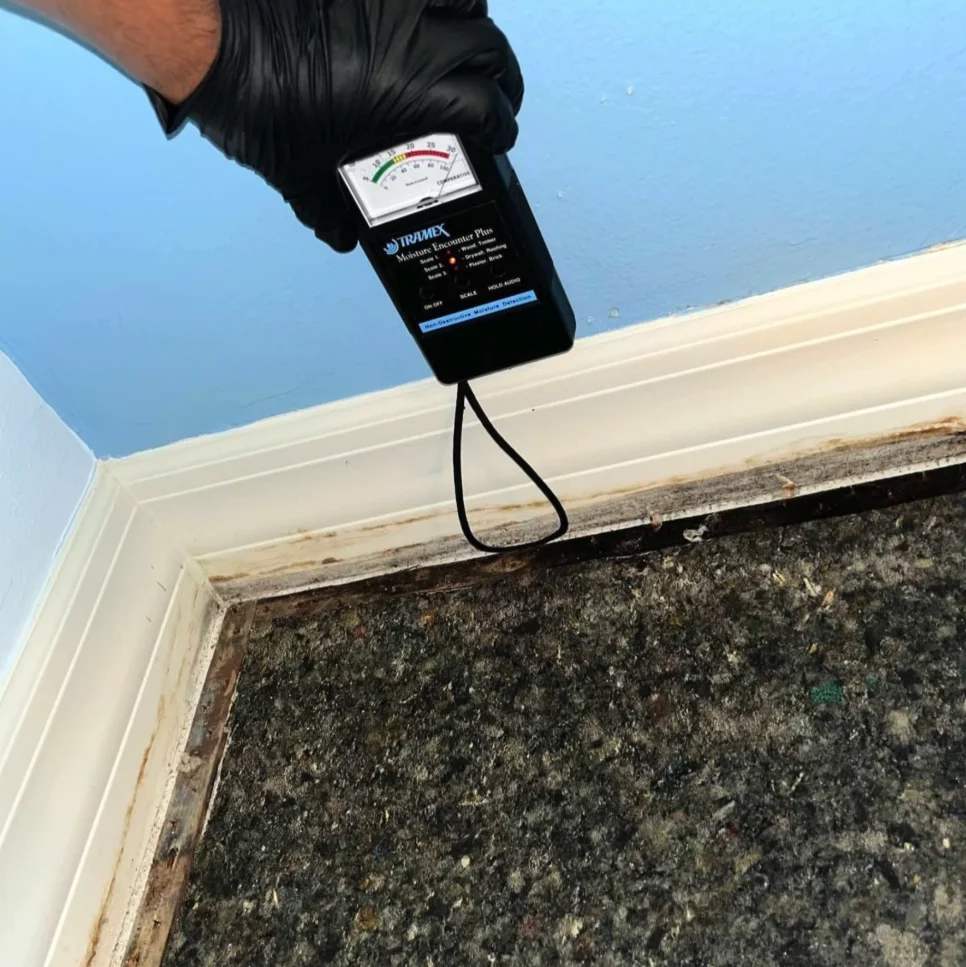
Not sure how big it is or where it ends? We can measure moisture and give a written scope before any work starts. Learn more about our mold remediation in Orlando or call (407) 250-7641.
Frequently Asked Questions
Is mold remediation required by law in Florida?
Florida doesn’t force homeowners to remediate, but anyone paid to remediate 10 square feet or more of mold must hold a Florida mold remediator license. Landlords must also keep rentals in line with health and housing codes.
Can I remove mold myself in Florida?
Yes, on your own property, and especially for areas under 10 square feet on hard surfaces. Get help for larger areas, mold in the AC system, or mold after sewage or flood water.
Do I need a mold assessment before remediation?
Not always for small, visible mold. For larger jobs, hidden mold, or insurance claims, an independent assessment gives you a written scope and a way to confirm the job was done right.
Does Florida homeowners insurance cover mold?
Usually only when the mold comes from a covered sudden water loss, and often with a cap around $10,000. Mold from long-term humidity or slow leaks is normally excluded.