Key takeaways
- A warm spot on the floor, a hissing sound, or a water bill that rises with no change in use are the three strongest signs.
- The water-meter test takes five minutes and tells you whether water is leaving the pipes when nothing is running.
- Most Orlando homeowners policies won’t pay for the pipe itself, but often pay to access it and to fix the damage it caused.
Most homes in Orlando sit on a concrete slab, with the water lines running through or under it. When one of those lines springs a pinhole, the water has nowhere obvious to go. It soaks into the sand under the slab, wicks up into the flooring, and slowly works its way to the edges of the house. That is why the signs of slab leak Orlando homeowners notice tend to be quiet and easy to explain away: a warm patch of tile, a baseboard that won’t dry, a bill that crept up $40.
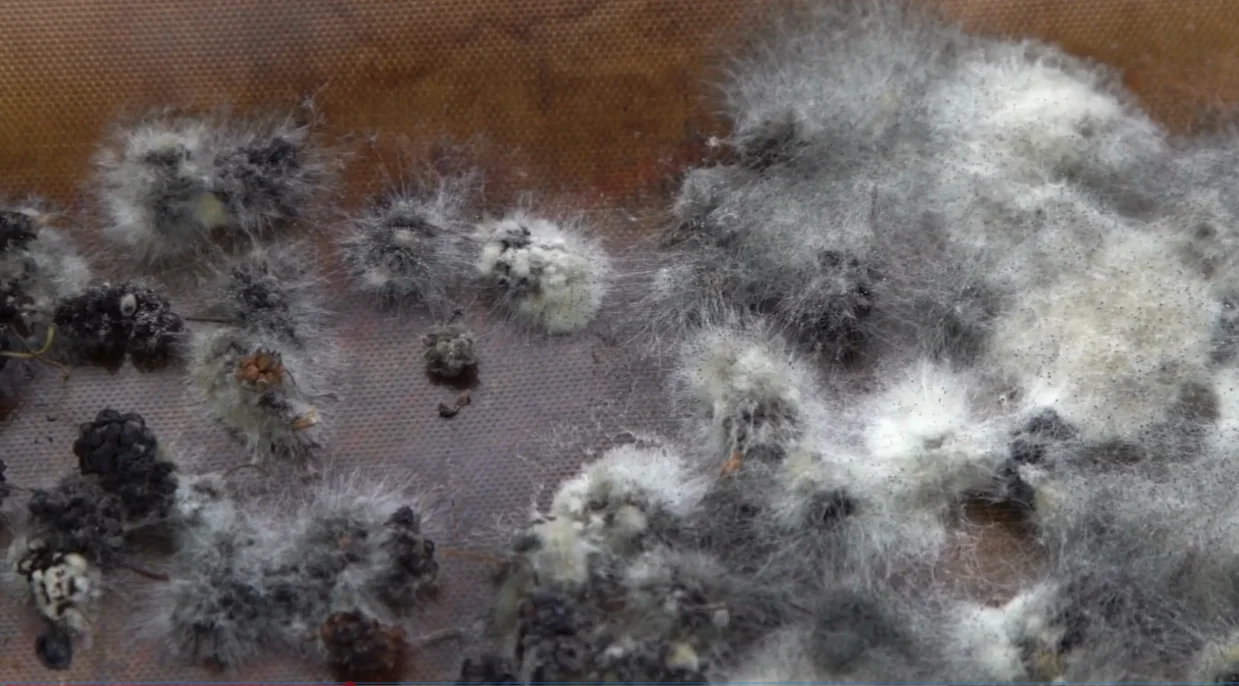
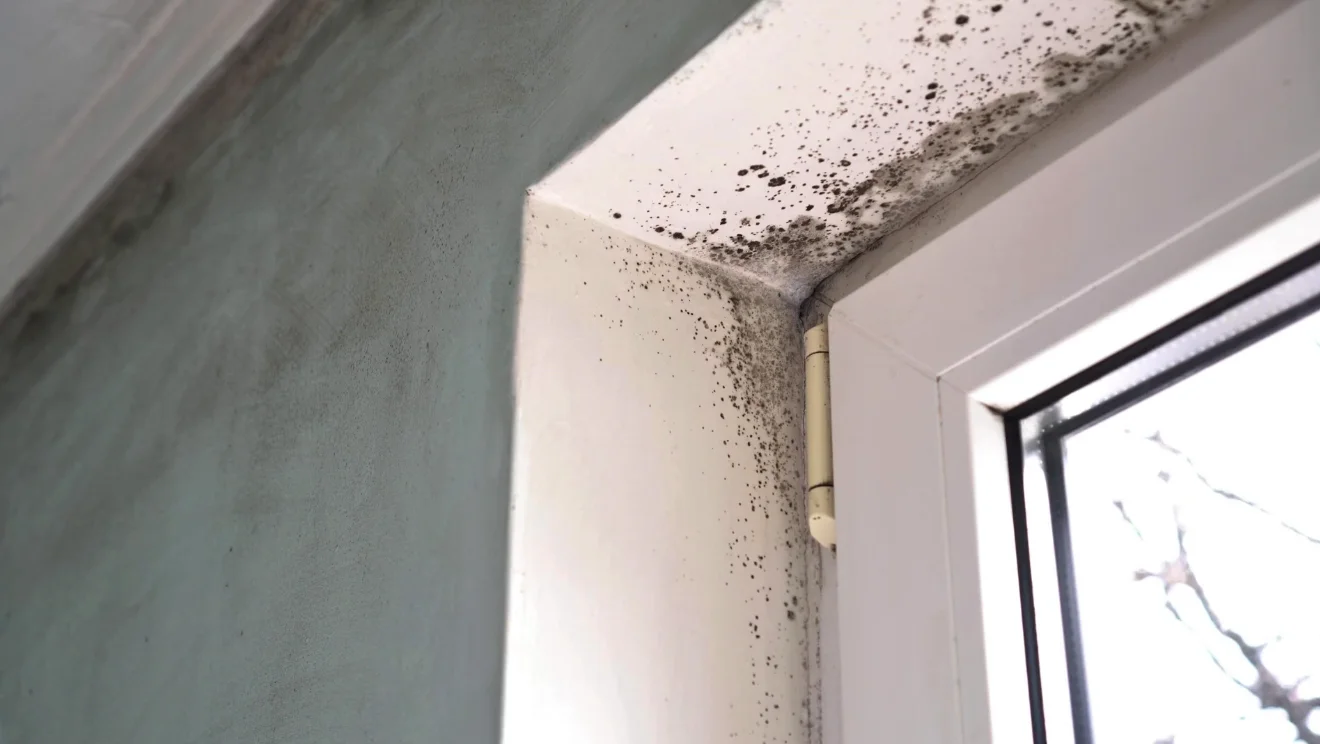
The sooner you connect those clues, the smaller the repair. A slab leak caught in the first few weeks usually means one reroute and some drying. One left for months can mean lifted flooring, mold behind the drywall, and soil washing out from under the foundation.
Slab Leak Signs You Can See, Hear, and Feel
None of these alone proves a slab leak. Two or three together, especially with a rising bill, are worth a closer look.
- A warm or hot spot on the floor. If the leak is on the hot-water side, the slab above it warms up. Walk the house barefoot. Tile over a hot-water leak can feel like it has radiant heat under it.
- The sound of running water with everything off. Stand in a quiet room at night. A faint hiss or trickle that you can’t trace to a toilet or the fridge is a classic clue.
- A water bill that rises for no reason. Compare the last three months against the same months last year. A steady climb with no new pool, guests, or landscaping is a red flag.
- A water heater that never seems to rest. If the heater cycles on constantly, it may be refilling for hot water that is leaking out under the floor.
- Damp carpet or a wet carpet pad with no spill, roof leak, or AC drip above it.
- Cupping or buckling wood and laminate floors. Moisture from below makes the edges of the boards rise first.
- New cracks in tile or grout, or a hairline crack in the slab that wasn’t there before.
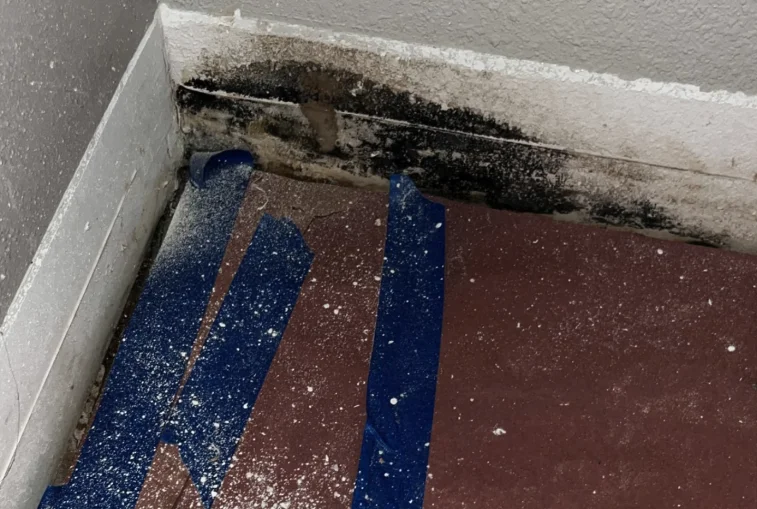
- A musty smell or mildew along baseboards in one area of the house, often near a bathroom, kitchen, or the water heater closet.
- Lower water pressure at several fixtures at once, without a city notice about work in your street.
The 5-Minute Water Meter Test for Slab Leak Detection
This is the single most useful test you can run before calling anyone. It doesn’t find the leak, but it tells you whether water is leaving your pipes when nothing in the house should be using it.
- Turn off every faucet, shower, and appliance that uses water. Make sure the ice maker, irrigation timer, and pool auto-fill aren’t running.
- Find your meter. In most Orlando neighborhoods it sits in a concrete box near the street. Lift the lid carefully. Ants and the occasional toad live in there.
- Look for the small triangle or star-shaped leak indicator on the dial. If it is turning, water is moving through the meter.
- Take a photo of the meter reading, wait 30 minutes without using any water, then take another.
- If the reading changed, shut the main valve to the house and check again. If the meter stops, the leak is inside the home: in a toilet, a fixture, or under the slab.
Check the toilets first. A flapper leak is the most common “hidden” leak. Put a few drops of food coloring in each tank and wait 15 minutes. Color in the bowl means the flapper is the culprit, not the slab.
If the toilets pass and the meter still moves, a professional leak detection with acoustic listening equipment and thermal imaging can pinpoint the spot, usually to within a foot or two. That saves you from breaking up more floor than necessary.
Why Orlando Homes Get Slab Leaks
A few local factors make slab leaks common here:
- Copper lines under the slab. Many homes built from the 1960s through the 1990s ran copper supply lines in or under the concrete. Decades of contact with concrete, soil, and water chemistry thin the pipe wall until a pinhole opens.
- Sandy soil that moves. Central Florida’s sand shifts with heavy rain and dry spells. That small movement rubs pipes against rebar and gravel.
- Hot-water lines expand and contract every time the heater runs. Over thousands of cycles, that friction wears through the pipe where it passes through the slab.
- Installation shortcuts, such as kinked lines or pipes laid directly against rough concrete, show up years later as leaks.
What a Slab Leak Costs, and What Insurance Usually Pays
Costs depend on where the leak is and how long it ran. Rough ranges we see in Orange County:
| Item | Typical range |
|---|---|
| Electronic leak detection | $150–$500 |
| Spot repair through the slab | $1,500–$4,000 |
| Reroute the line through the attic or walls | $2,000–$6,000+ |
| Water damage drying and flooring removal | Depends on the area that got wet |
On insurance, the usual pattern in a Florida homeowners policy is this: the policy doesn’t pay to replace the worn-out pipe, but it often pays for the cost to tear out and replace the floor to reach it (sometimes called “tear-out” or access coverage) and for the sudden water damage it caused. Long-term seepage that went on for weeks can be excluded, which is one more reason to act on the first signs. Read your own policy’s wording, or see our guide to whether homeowners insurance covers water damage in Florida.
What to Do After You Spot the Signs
- Run the meter test above and write down the readings.
- If the meter moves and you see active water, shut the main valve. Most Orlando homes have it near where the line enters the house, often on an outside wall by the garage.
- Photograph warm spots, damp flooring, and the meter dial. Dated photos help any claim.
- Call a licensed plumber for leak detection and repair.
- Have the wet area measured with moisture meters before anyone puts flooring back down. Wet concrete and drywall can look dry and still be wet enough to grow mold in Orlando humidity.
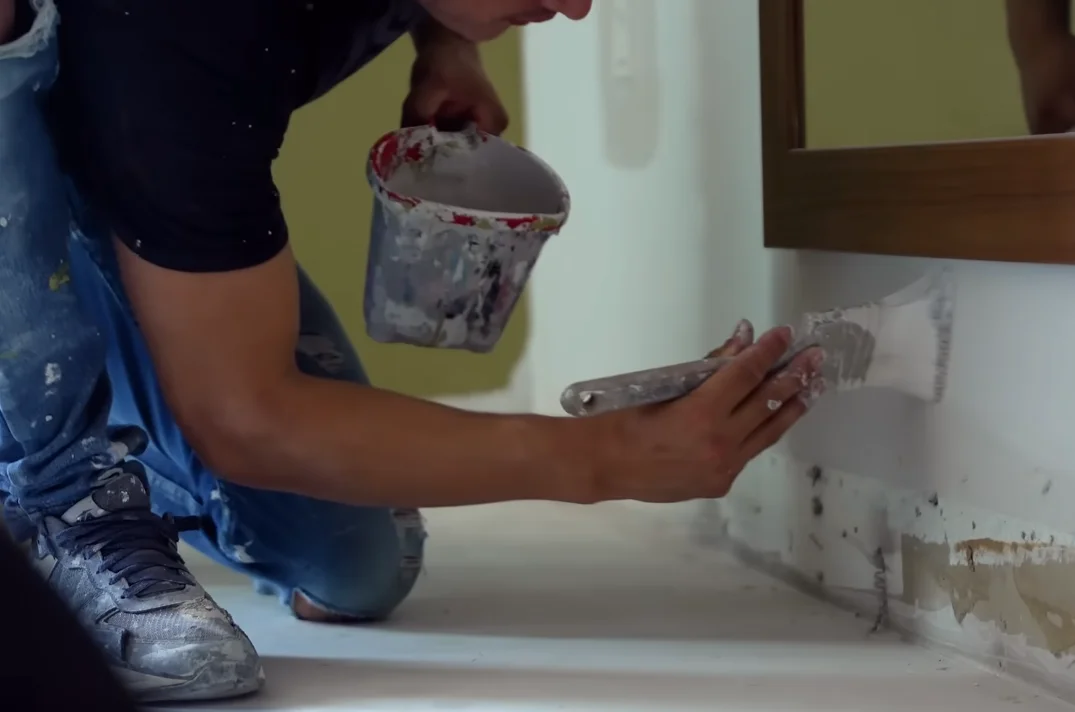
Our team handles the drying and repair side of a slab leak: moisture mapping, removing only the flooring that has to come out, and drying the slab and walls to IICRC standards. See our slab leak water damage service in Orlando, or call (407) 250-7641 if water is already showing.
Frequently Asked Questions
How do I know if I have a slab leak or just a plumbing leak?
Run the water meter test with every fixture off. If the meter still moves, check toilets with food coloring. If the toilets are fine and you see no drips under sinks, the leak is likely hidden in a wall or under the slab. A warm spot on the floor points strongly to a hot-water line under the slab.
Can a slab leak damage my foundation?
Yes, if it runs long enough. Water can wash sand out from under the slab and leave voids, which can lead to cracking or settling. Most leaks found in the first weeks are repaired long before that happens.
Is it safe to keep living in the house with a slab leak?
Usually, as long as you shut off the water when it is not needed and the leak is not near electrical outlets. Turn the water main off at night and when you leave until the repair is done.
Does homeowners insurance cover slab leaks in Florida?
Most policies don’t pay to replace the pipe itself, but many pay for access (breaking out and replacing the floor to reach the pipe) and for sudden water damage it caused. Damage from long-term seepage may be excluded, so report it promptly.