Key takeaways
- Safety first: keep away from water near outlets or appliances, and turn off power to wet rooms at the breaker if you can do it from a dry spot.
- Shut the main water valve, then photograph everything before you move or throw anything away.
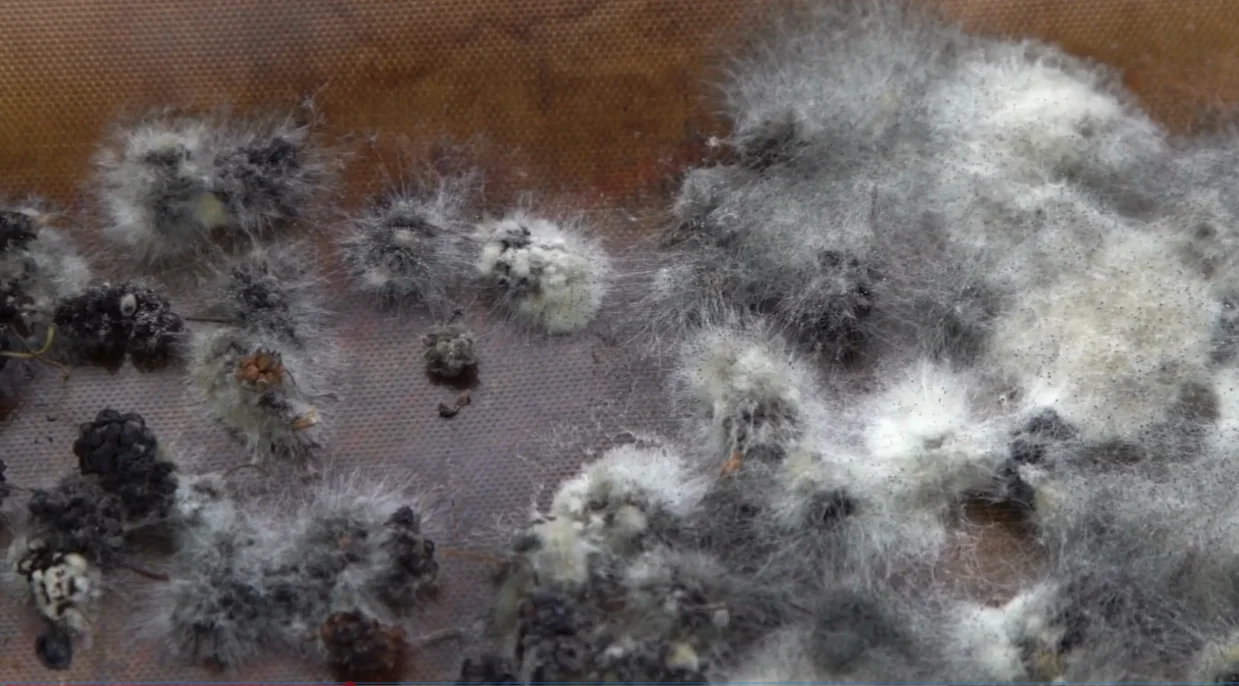
- Get standing water out and drying started within 24 hours. In Orlando humidity, mold can start in 24 to 48.
Water on the floor makes everyone panic a little. A burst supply line under the sink, an overflowing toilet, a water heater that let go in the garage. Knowing what to do first when there’s water in your house keeps you safe and keeps the damage, and the bill, smaller.
Work through these steps in order. Most take only a few minutes.
First 10 Minutes: Stop the Water Safely
- Check for electrical danger. If water is near outlets, power strips, or appliances, don’t walk through it. If you can reach the breaker panel without standing in water, switch off the circuits for the wet rooms. If you can’t, call the power company or an electrician.
- Shut off the main water valve. In most Orlando homes it is where the line enters the house, often on an outside wall near the garage or in the garage itself. Turn it clockwise until it stops. If you can’t find it, the city meter box near the street has a shutoff too.
- Shut off the water heater if it is the source. Turn gas units to “pilot” or off; switch off the breaker for electric units.
- Get people and pets out of the wet area, especially if the water came from a toilet or sewer line. That water carries bacteria.
What to Do After Water Damage in the First Hour
- Move what you can off the wet floor: rugs, electronics, books, furniture. Put foil or plastic under furniture legs you can’t move to stop staining.
- Mop and blot small amounts of clean water with towels.
- Open interior doors so air can move. Keep the AC running if it is safe; it pulls moisture out of the air. Don’t open windows on a humid day, which lets more moisture in.
- Lift wet curtains off the floor and hang them up.
Documenting for Your Insurance Claim
Before anything is thrown out or torn out, take photos and video of:
- The source: the broken pipe, failed hose, or overflowing fixture.
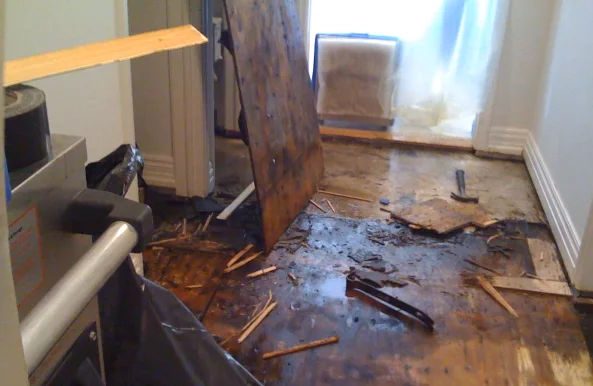
- Every wet room, wide shots first, then close-ups of floors, baseboards, and furniture.
- Damaged belongings, with brand and model labels where you can.
Keep the failed part if you can, like a burst supply hose. Write down the time you found the water and when you shut it off. Then call your insurer or agent to report it, or read our guide on whether to file a water damage claim first if the damage is small.
What Not to Do With Standing Water
- Don’t use a household vacuum to pick up water. It is an electrical hazard and it will ruin the vacuum.
- Don’t turn on ceiling fans or lights if the ceiling is wet or sagging.
- Don’t poke a sagging ceiling unless you have cleared the room and protected the floor. It can come down at once.
- Don’t touch sewage water without gloves and boots, and don’t try to clean it with household products. That is sewage cleanup territory.
- Don’t sign an Assignment of Benefits or any contract handing over your insurance claim to a contractor during the panic. Florida has restricted these for good reason.
- Don’t assume it’s dry because it looks dry. Water wicks up drywall and under flooring.
When to Call a Water Damage Company
Call a professional if any of these are true:
- Water spread beyond one small area, or soaked carpet and pad.
- Water got into walls, under cabinets, or through a ceiling.
- The water came from a toilet, sewer, or outdoors.
- You can’t get it dry within 24 hours.
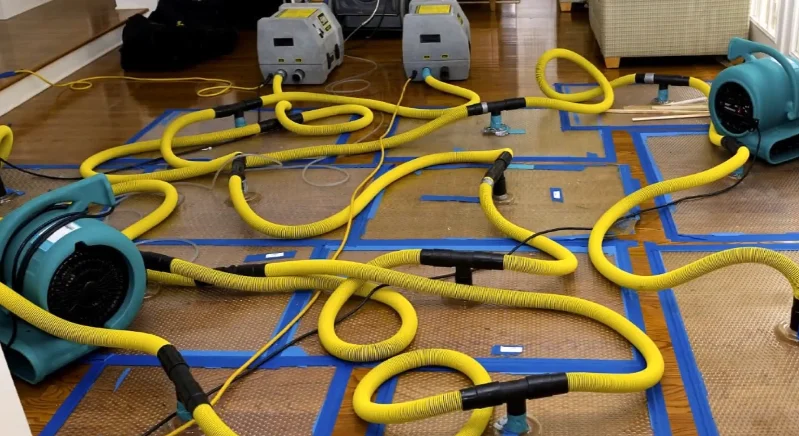
We get to most Orlando homes in about 60 minutes, extract the water, map moisture inside the walls and floors, and set up drying equipment the same day. You get a written estimate before work begins. See our emergency water damage service or call (407) 250-7641, any hour.
Frequently Asked Questions
What is the first thing to do when water is in your house?
Make sure no one is at risk from electricity, then shut off the main water valve. Everything else comes after the water stops.
How long can water sit before mold starts?
In Orlando’s humidity, mold can begin growing on wet drywall and carpet pad within 24 to 48 hours. Start drying the same day if you can.
Should I run fans or open windows?
Run fans and keep the AC on if it is safe. Avoid opening windows on humid days, which brings more moisture into the house.
Will my insurance pay for emergency water removal?
If the cause is covered, like a sudden pipe burst, policies usually cover reasonable emergency steps to prevent more damage. Keep receipts and photos.